The Department of Energy-Efficient and Resource-Saving Industrial Technologies covers: theory and practice of heat generation; heat transfer by radiation, convection, and conduction; fluid and gas mechanics; mathematical modeling of thermophysical processes and numerical methods for their calculation; methods and devices for temperature monitoring of metal, gas, and lining in various furnaces; furnace automation and gas cleaning systems; assessment of industrial environmental impact; environmental protection methods and means; crystallography and mineralogy; thermodynamics and kinetics of metallurgical processes; metallurgical ecology; ferrous metal extraction from natural and technogenic raw materials; thermodynamics and kinetics of metallurgical processes; metallurgical technologies for processing technogenic and secondary raw materials; methods for processing natural and technogenic raw materials; information technologies and automation methods in metallurgy; raw materials and metals markets.
The Department possesses significant capacity for developing innovative technologies in ferrous metallurgy, thermal engineering and thermal power engineering, and for comprehensively addressing resource and environmental challenges in the ferrous metallurgy sector.
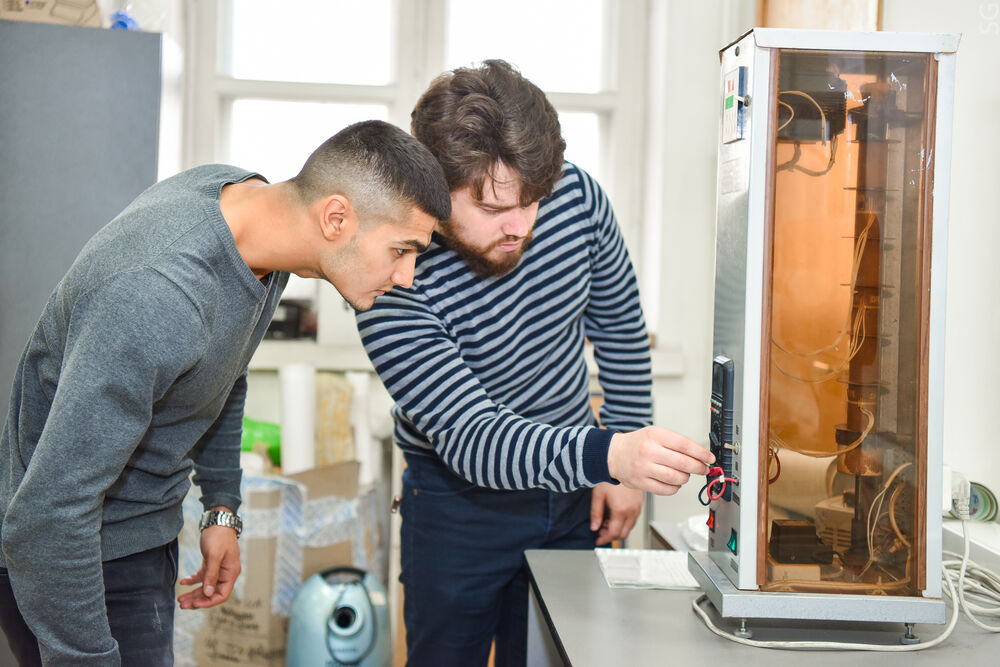
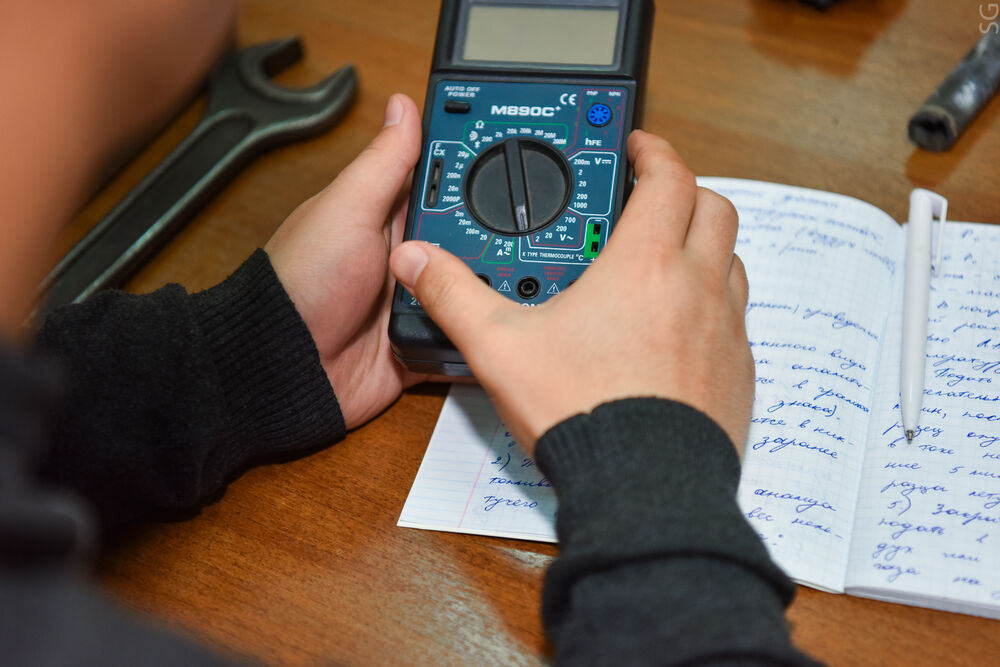
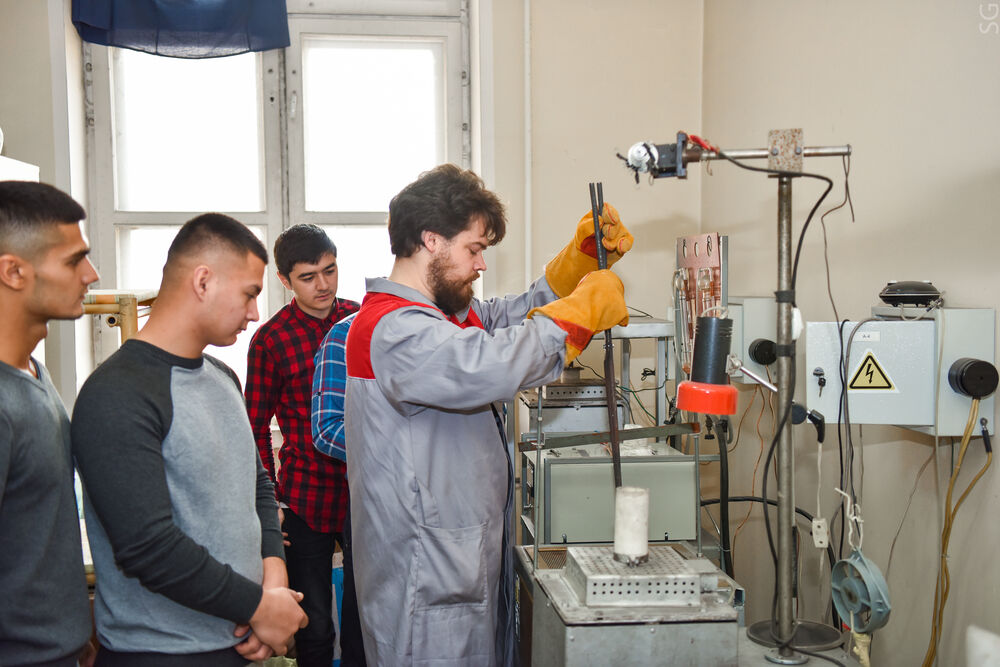
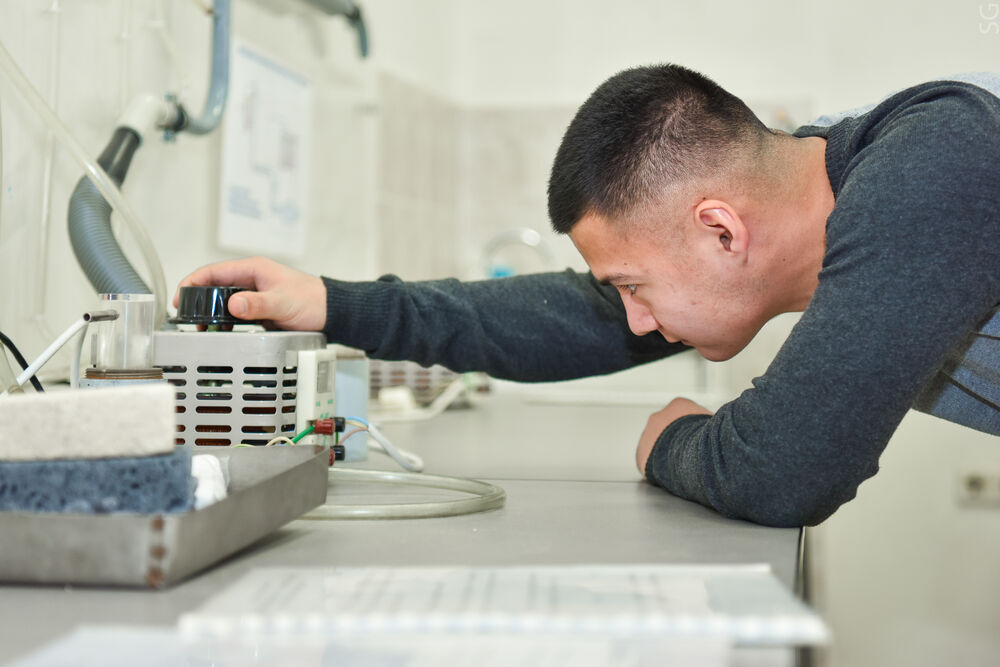
The Department’s laboratories are equipped with unique facilities for research on high-temperature objects and systems, gases, and finely dispersed materials. A distinguishing feature of the Department is its long-standing research experience with materials produced through high-temperature mineral formation.
Graduate Competencies
-
Design and engineering of heating and thermal furnaces.
-
Installation, commissioning, and operation of industrial furnaces.
-
Configuration and optimization of automation systems for thermal regimes in metallurgical and mechanical engineering furnaces.
-
Optimization of gas cleaning equipment and systems.
-
Energy conservation problem-solving.
-
Energy and environmental analysis of metallurgical enterprises.
-
Preparation of environmental and urban planning documentation.
-
Proficiency in technogenic and secondary raw material processing technologies.
-
Understanding of natural and technogenic raw material processing.
-
Knowledge of metallurgical process theory.
-
Analysis and forecasting of ferrous metals market trends.