Scientists at University of Science and Technology MISIS patented a technology that makes it possible to recover rare refractory metals widely used in industry from spent petrochemical catalysts. The recovery rate reaches 95% for tungsten and up to 92% for molybdenum. The new technology has been implemented at the Unecha Hard Alloys Plant.
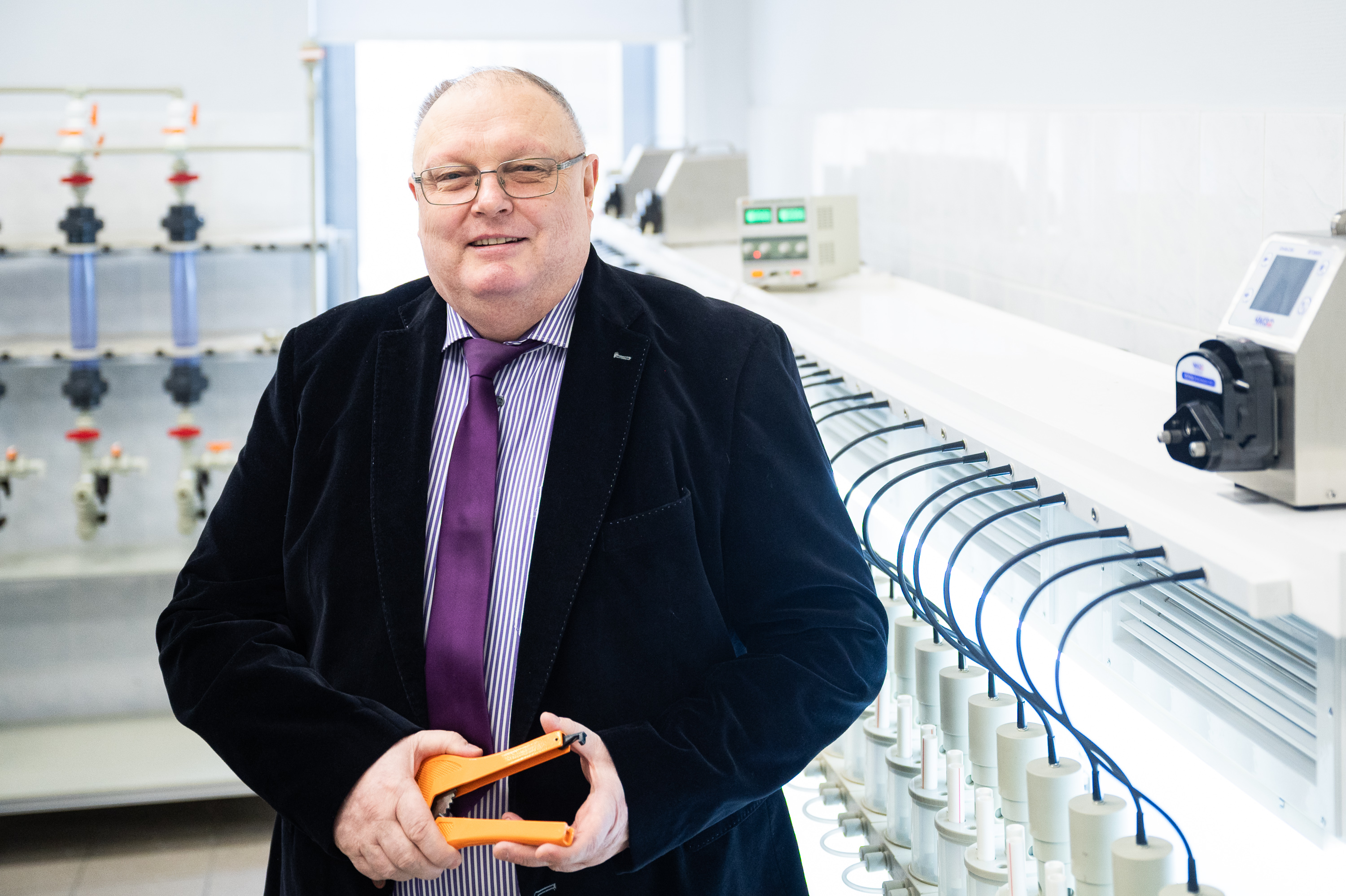
“Researchers at MISIS University pay great attention to developments that support the transition to a circular economy. The method for extracting rare refractory metals from spent petrochemical catalysts, developed by a research team led by Doctor of Engineering Sciences, Professor Vadim Tarasov, is in line with the principles of green metallurgy and makes it possible to return valuable metals to production. The recovered tungsten and molybdenum can subsequently be used in the manufacture of electrodes, heating elements, heat-resistant materials, and sensitive sensors,” Alevtina Chernikova, Rector of NUST MISIS.
Rare refractory metals are recovered from spent catalysts based on alumina carriers, which are widely used in oil refining, gas purification, and other chemical processes. Once their service life is exhausted, the catalysts lose their activating properties, but they still contain up to 25% tungsten and molybdenum oxides by total mass. This makes them a valuable source of secondary raw materials for recycling.
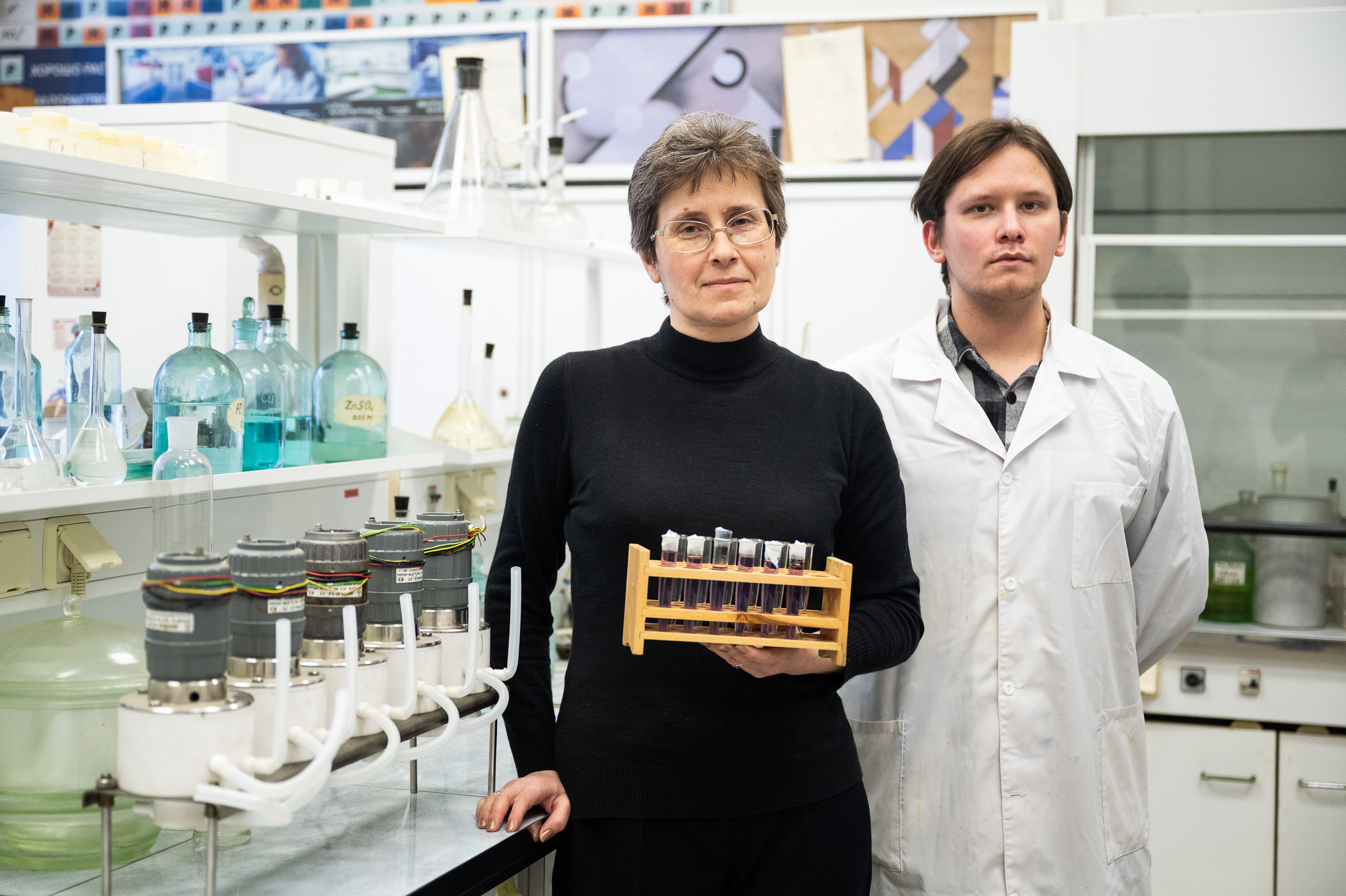
“Tungsten and molybdenum are desorbed using different reagents. For example, tungsten is precipitated with an alkaline solution and then converted into tungsten oxide, while molybdenum is extracted using an ammonia solution to obtain ammonium paramolybdate, which turns into molybdenum oxide when heated,” Olga Krivolapova, PhD in Engineering, Associate Professor of the Department of Non-Ferrous Metals and Gold at NUST MISIS.
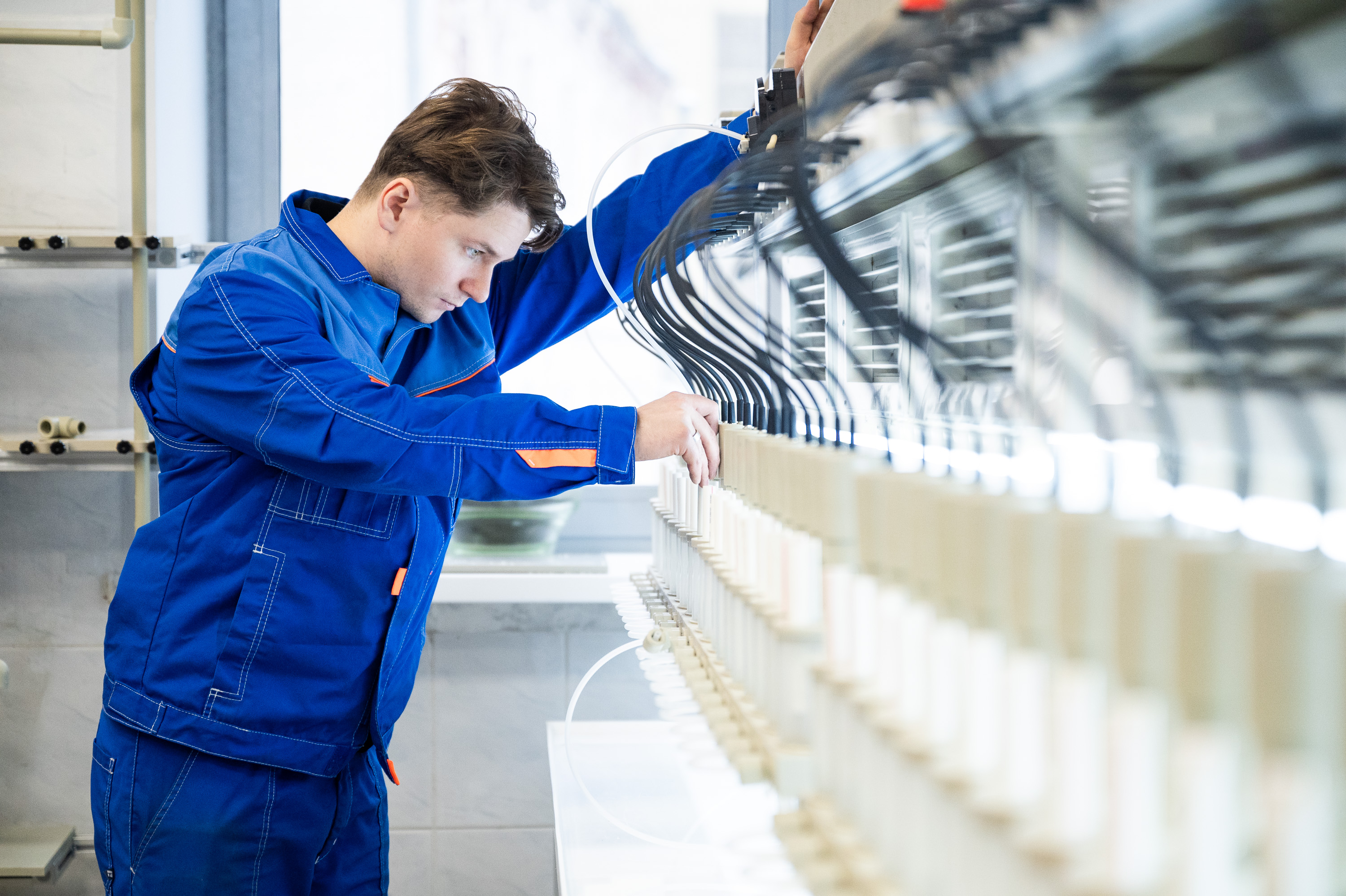
The process consists of several stages. The spent catalysts are crushed into a powder and leached with a sodium carbonate solution under ultrasonic treatment, which accelerates the dissolution of tungsten and molybdenum compounds. The suspension is then adjusted to the required acidity level, after which sorption is carried out in pulsed columns using domestically produced sorbents that selectively react with the ions of the target metals present. After desorption, tungsten and molybdenum oxides are obtained.
“Unlike traditional extraction methods, which require significant energy consumption and large amounts of expensive reagents, the new sorption-based technology is more environmentally friendly, helps companies save resources, and also reduces equipment wear, as it relies on low-temperature processes,” Vadim Tarasov, Doctor of Engineering Sciences and Head of the Department of Non-Ferrous Metals and Gold at NUST MISIS.