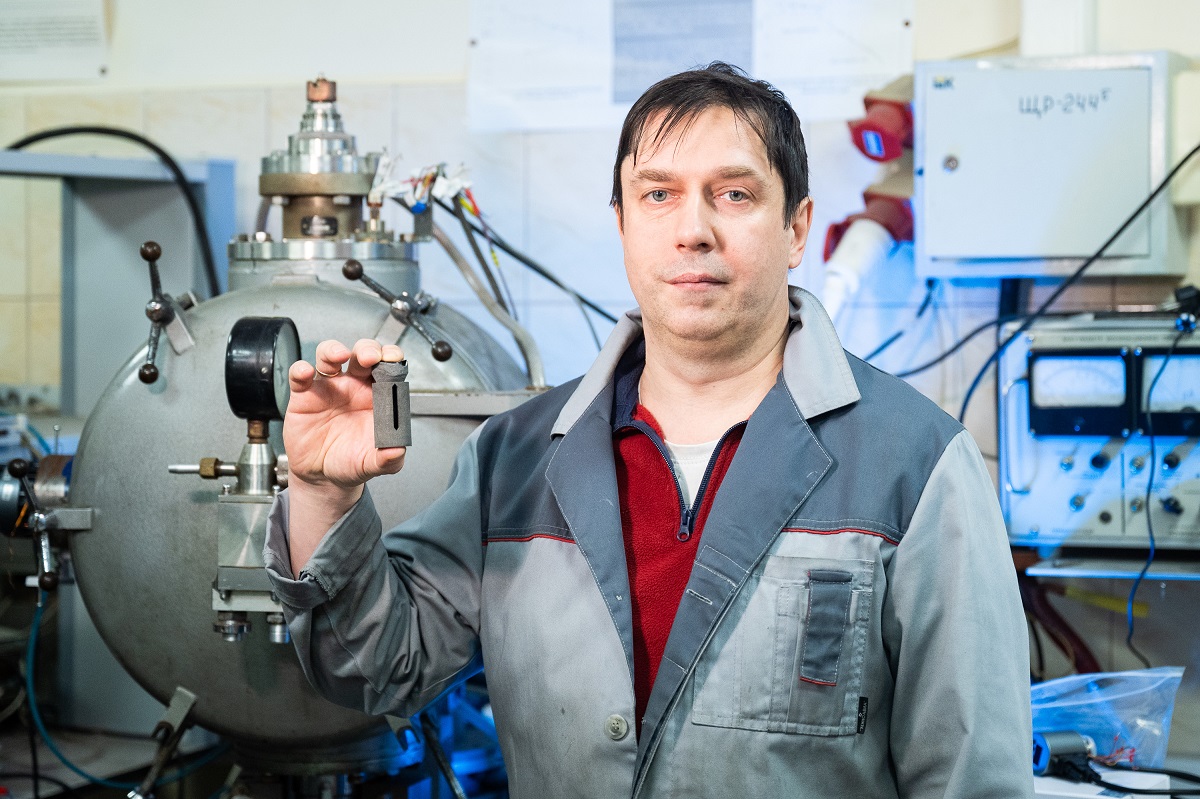
“Additive technologies are one of the key drivers of modern industry: their application accelerates production cycles and improves material efficiency. A team of scientists from NUST MISIS, led by Doctor of Physical and Mathematical Sciences, Professor Sergey Nikolaevich Zhevnenko, has developed and patented an innovative method with strong potential for metallurgy and high-temperature electronics. This additive technology enables the creation of tungsten heaters with complex geometries and various sizes, reduces production labor intensity, and enhances product reliability under extreme operating conditions,” said Alevtina Chernikova, Rector of NUST MISIS.
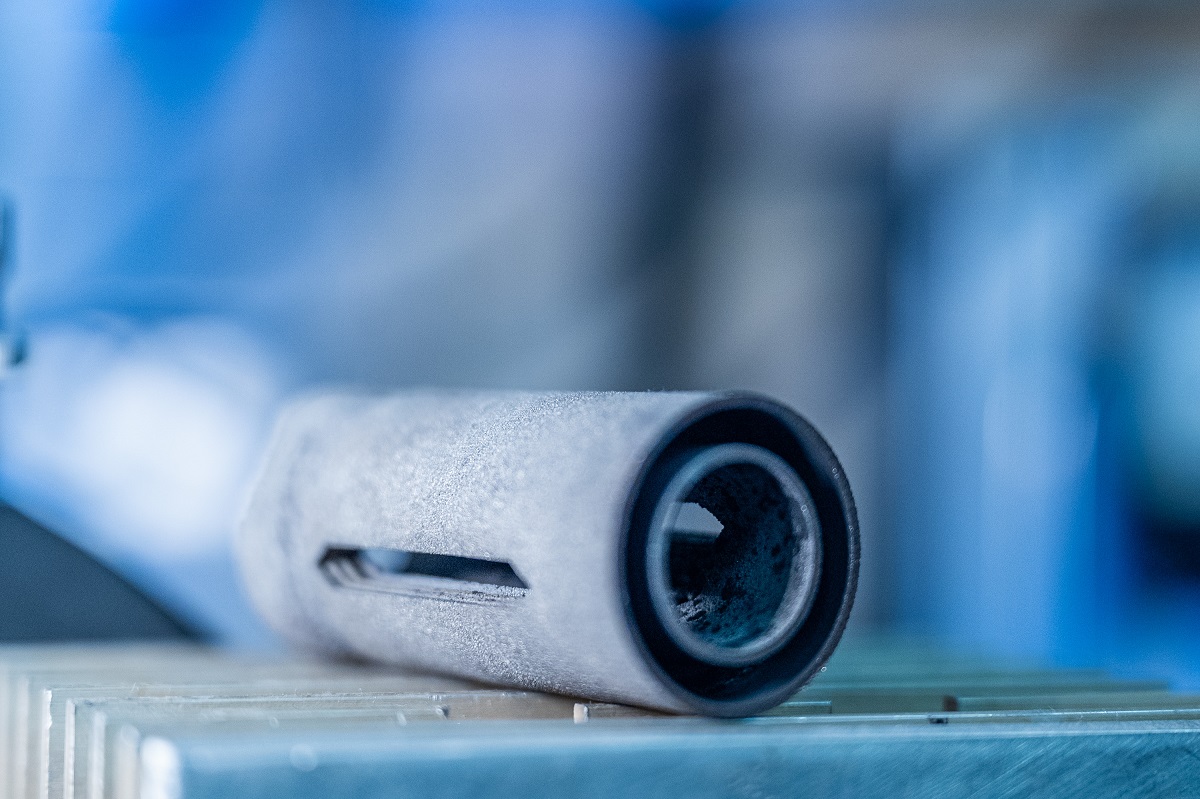
Tungsten heaters are a key component in equipment operating at temperatures ranging from 1500 to 3000°C. They are used in vacuum and protective furnaces for sintering and heat treatment, as well as for crystal growth, brazing, and melting of refractory metals. They are widely applied in high-temperature metallurgy and powder technologies, as well as in the synthesis of carbides, nitrides, and superhard materials. These elements are also used in laboratory equipment that simulates extreme conditions for testing new alloys, ceramics, and composites. However, traditional manufacturing of tungsten heaters is labor-intensive due to the difficulties of processing the metal, which limits the scale and efficiency of their use. MISIS researchers addressed this challenge using additive manufacturing, specifically selective laser melting.
“Traditional methods of producing tungsten heaters, which are casting, machining, and manual assembly of composite structures, are complex and expensive, especially when it comes to compact products with multicomponent structures. We have patented an additive manufacturing technology that radically simplifies established processes,” said Professor Sergey Zhevnenko, Doctor of Physical and Mathematical Sciences, Department of Physical Chemistry, NUST MISIS.
By optimizing melting parameters, the researchers succeeded in producing a monolithic tungsten heater that does not require additional tooling.
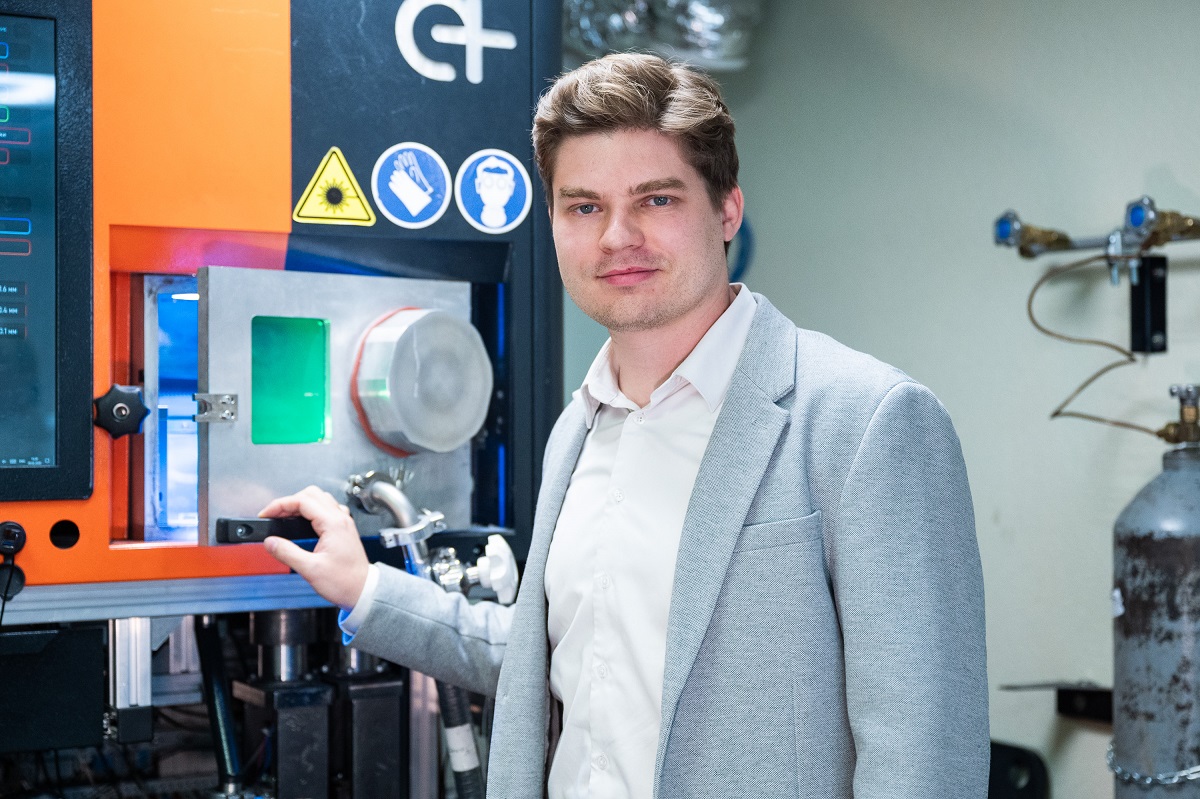
“For printing, we used pure tungsten powder with particle sizes in the tens of micrometers. Since this metal has a very high melting point, around 3422°C, the process required high radiation power and precise tuning of technological parameters. In a selective laser melting system, we locally melted tungsten powder in an argon atmosphere, forming the изделие layer by layer,” explained PhD Stanislav Chernyshikhin, Head of the Laboratory of Additive Manufacturing at NUST MISIS.
According to Candidate of Physical and Mathematical Sciences Ainur Khairullin, a Category I engineer in the research project at the Department of Physical Chemistry, NUST MISIS, the developed technology makes it significantly easier and more cost-effective, compared to traditional methods, to produce small-sized tungsten heaters for scientific and educational applications. This will help increase the speed and efficiency of research involving high-temperature laboratory methods without additional costs. Overall, the development paves the way for mass production of tungsten heaters for a wide range of industrial applications.
The work was supported by a grant from the Russian Science Foundation (No.