Researchers at NUST MISIS have developed a machine learning algorithm that improves data classification accuracy in quantum computers. Instead of qubits, which are standard for quantum computing, the new method uses qudits, quantum elements with multiple levels of states. They enable complex quantum operations to be performed in fewer steps, significantly simplifying computations and giving specialists greater flexibility in representing and encoding information.
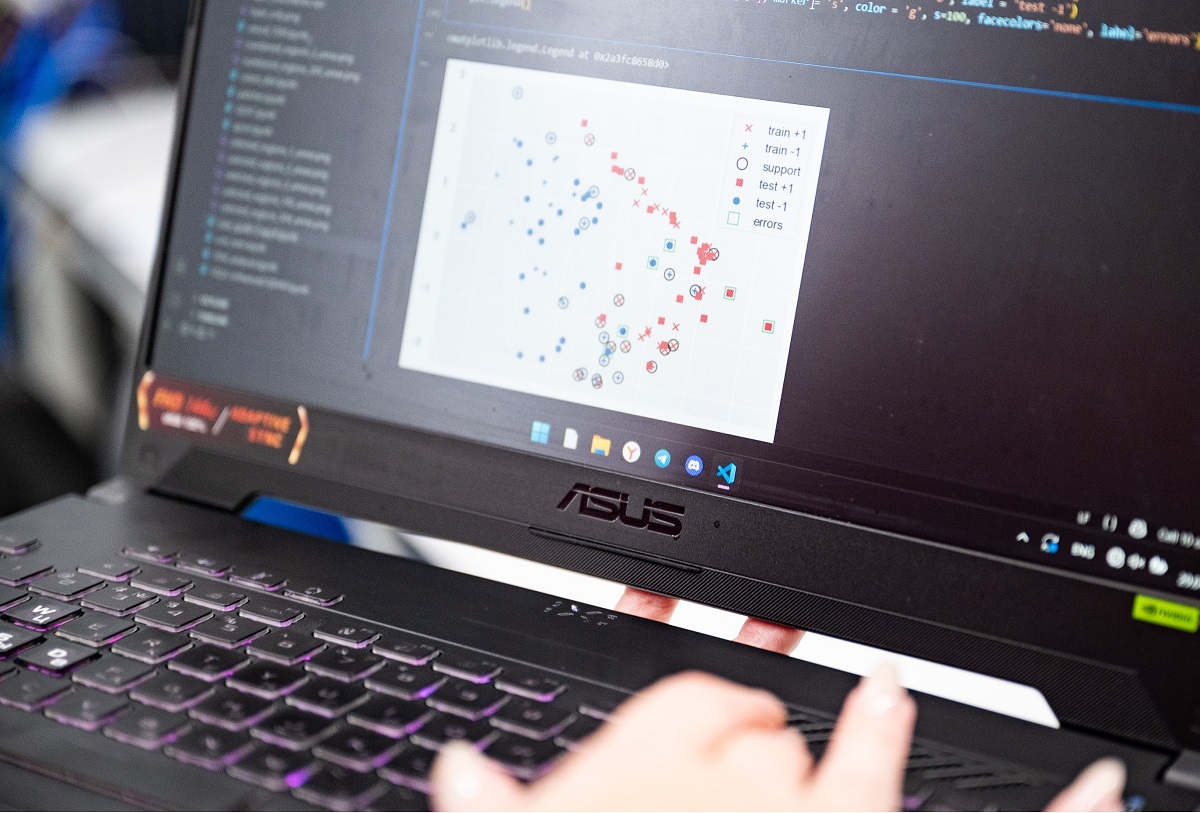
The support vector machine algorithm is one of the fundamental classification models commonly used for image and digit recognition, as well as in machine learning projects focused on cancer detection and drug discovery.
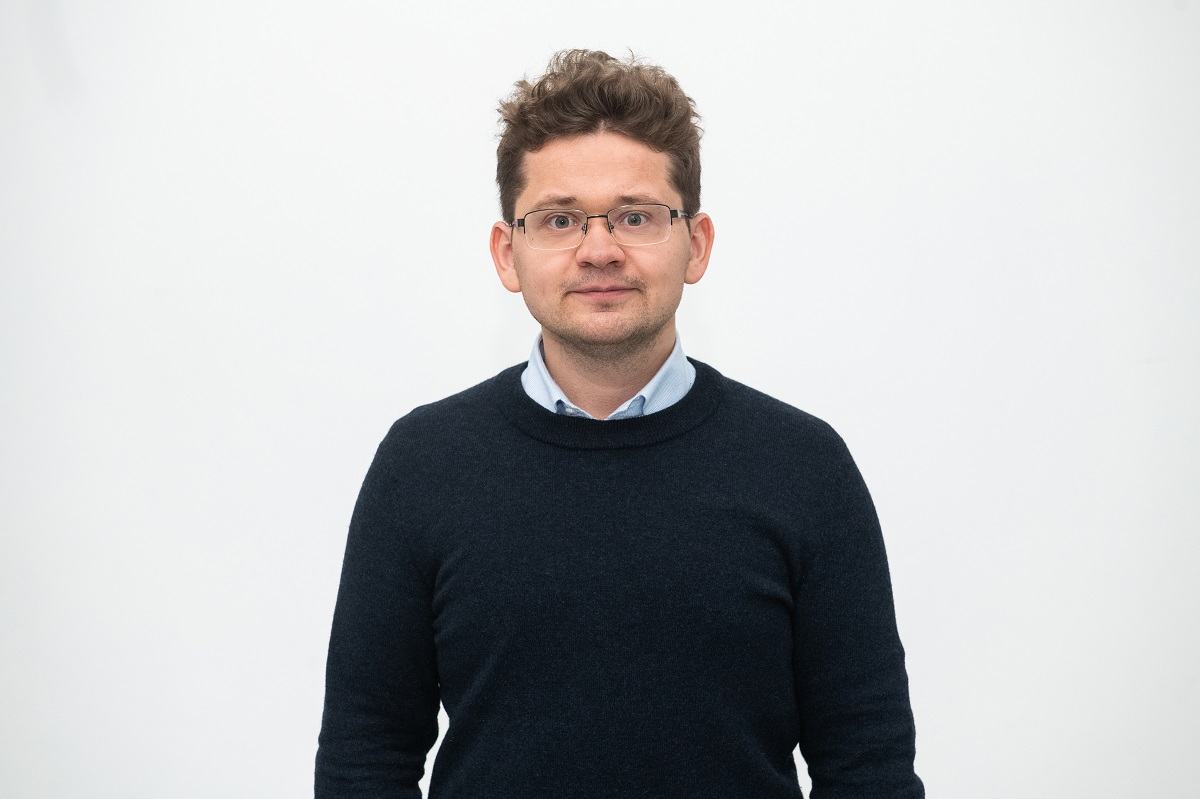
“In the proposed model, the data array is encoded using qudits, that is, quantum states with more than two levels. This makes it possible to process larger volumes of information without increasing the number of physical carriers. The work brings us closer to the practical application of quantum computers in machine learning tasks,” said Alexey Fedorov, Director of the College of Physics and Quantum Engineering at NUST MISIS.
According to the algorithm’s operating principle, qudits map data into a multidimensional space, where it can then be easily separated and classified.
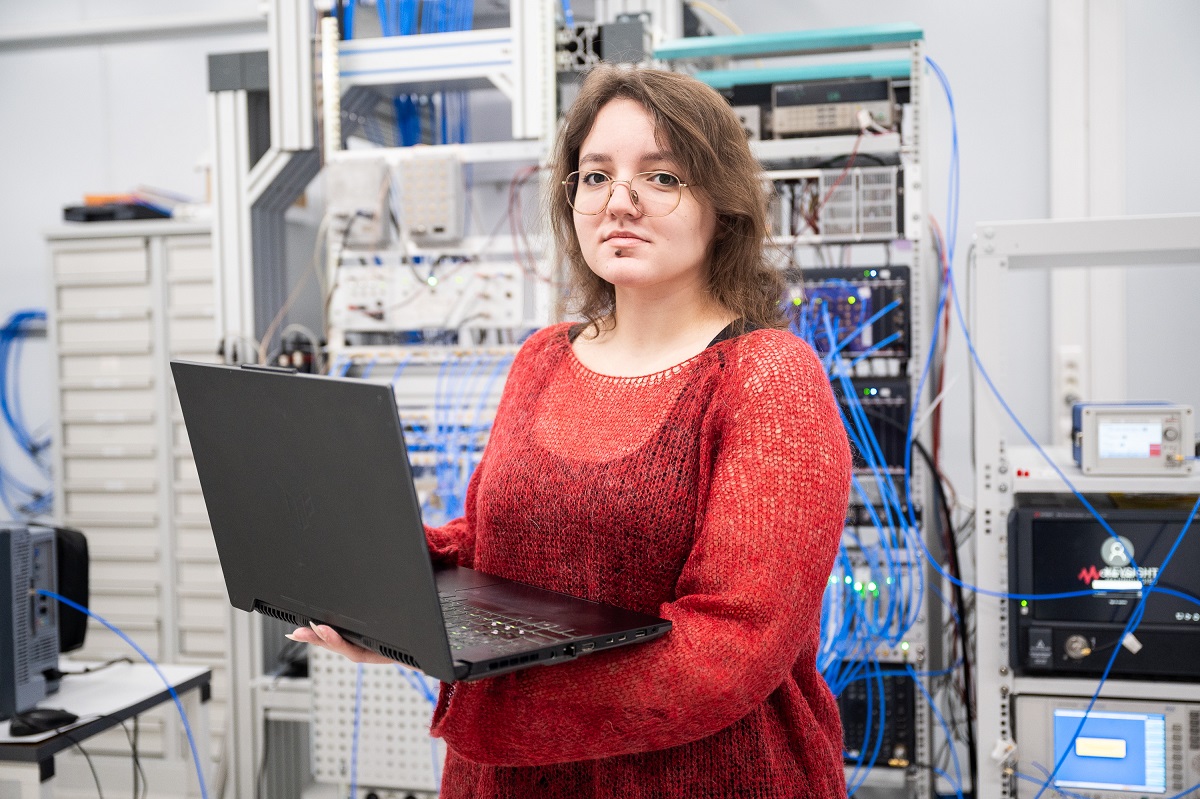
“First, a sequence of quantum gates (encoding classical data) is applied to the quantum state of a qudit. Then, measurements are performed on all registers, and the output is a classical bit string — a sequence of zeros and ones. The highest classification accuracy was achieved with 1,024 iterations of the quantum gate sequence,” explained Elizaveta Glazkova, a postgraduate student at the Department of Theoretical Physics and Quantum Technologies, NUST MISIS.
The resulting algorithm is already being applied by researchers from NUST MISIS and the Institute of Nanotechnology of Microelectronics of the Russian Academy of Sciences in joint work on segmenting interfaces of functional thin films for next-generation microelectronics.
Details of the study have been published in the scientific journal Bulletin of the Russian Academy of Sciences: Physics. The work was carried out as part of the strategic technological project “Quantum Internet” under the Ministry of Science and Higher Education of the Russian Federation’s Priority 2030 program.