Researchers at NUST MISIS have introduced a gel based on the enzyme dextranase that can effectively combat dental plaque and help prevent tooth decay. In the future, the development could improve the formulation of toothpastes and serve as a foundation for new preventive dental care products.
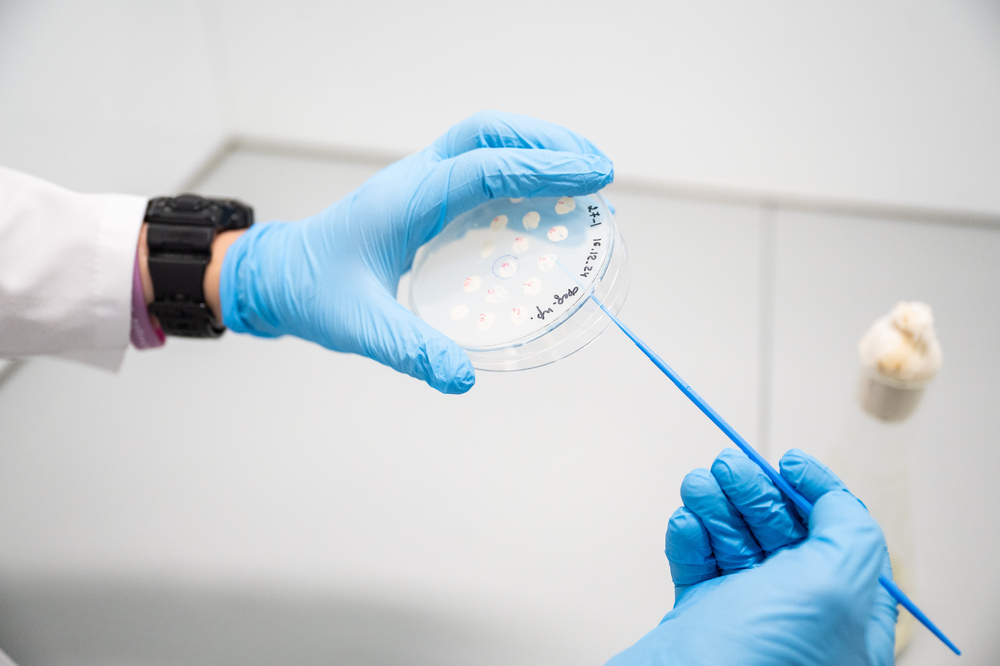
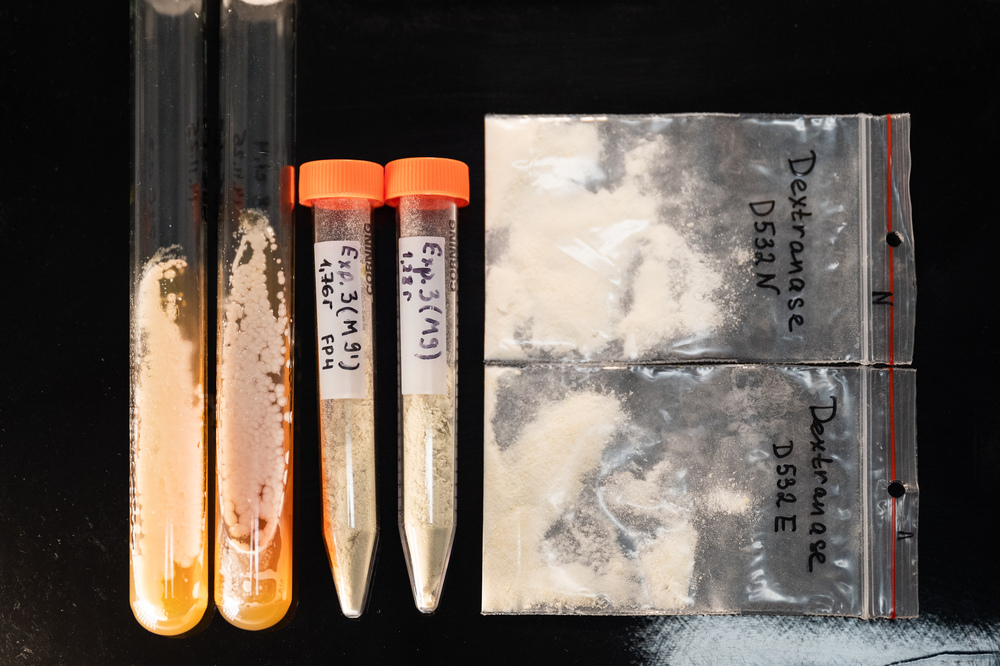
A specially engineered strain of Pichia pastoris yeast, created using genetic engineering techniques, is capable of synthesizing antibodies, enzymes, and even “sweet” proteins. This makes it possible to precisely program the properties of the gel and tailor it to specific dental applications—for example, adjusting its viscosity, breaking down biofilms, or enhancing antibacterial activity.
“There are a number of non-pathogenic microorganisms—bacteria, yeasts, and filamentous fungi—that are traditionally used as platforms for producing proteins, lipids, and acids needed in biotechnology, the food industry, and medicine. Directed biosynthesis using specialized microorganisms makes it possible to create custom enzymes with predefined properties in any required quantity,” Pavel Volkov, PhD in Chemistry, Associate Professor of the Department of General and Inorganic Chemistry at NUST MISIS.
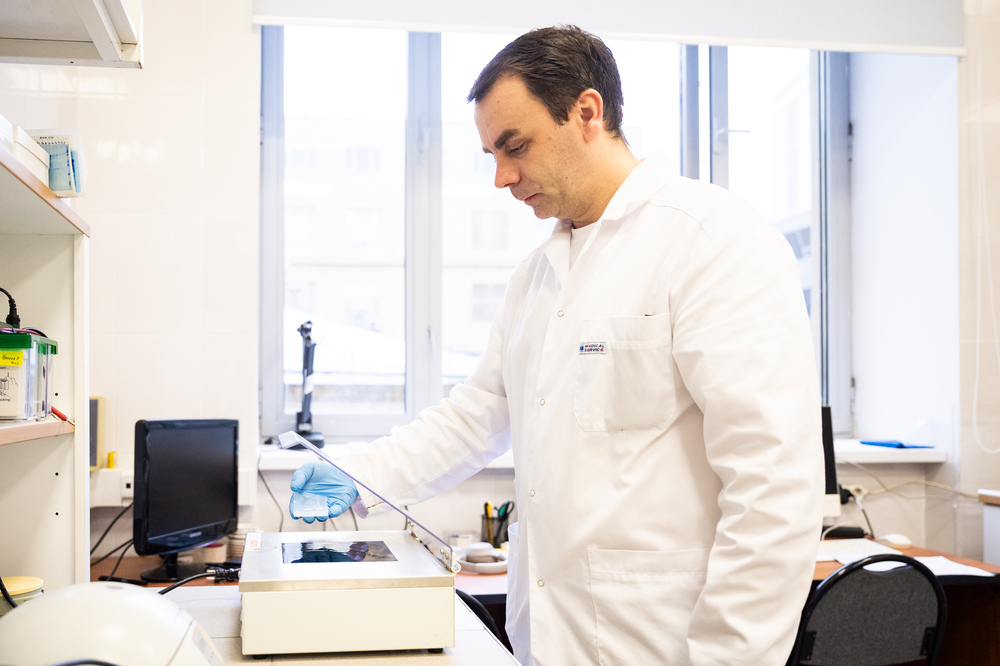
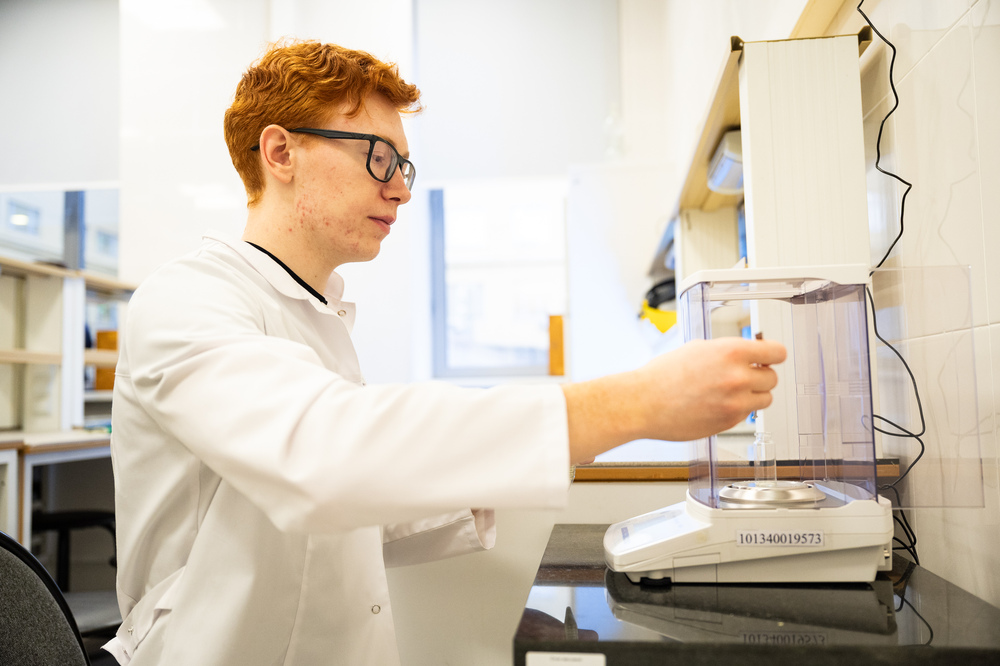
Young researchers working under the supervision of scientists from the Department of General and Inorganic Chemistry at NUST MISIS designed a new genetic construct containing a gene responsible for producing the required dextranase enzyme in the methylotrophic yeast Pichia pastoris. The research team studied the activity of the biocatalyst under different acidity levels and its ability to act on various substrates. These data helped optimize the development for use in the human oral cavity.
“This strain is particularly effective for producing recombinant enzymes because it eliminates the need for additional chromatographic protein purification—the yeast does not synthesize extraneous foreign proteins or other metabolites,” Yaroslav Gorinov, NUST MISIS student who won RUB 1 million for this development in the Student Startup competition of the University Technology Entrepreneurship Platform, funded by the Innovation Promotion Fund.
In the long term, the introduction of directed biosynthesis methods could significantly reduce the cost and simplify enzyme production by eliminating one of the most expensive stages while maintaining high purity of the final product. The approach makes it possible to obtain substances with the desired properties, including the ability to break down bacterial biofilms that can lead to tooth decay and other dental diseases.
The project completed the NUST MISIS acceleration program, where, over several months, the innovators worked with experts, trackers, and mentors to further develop the initiative.