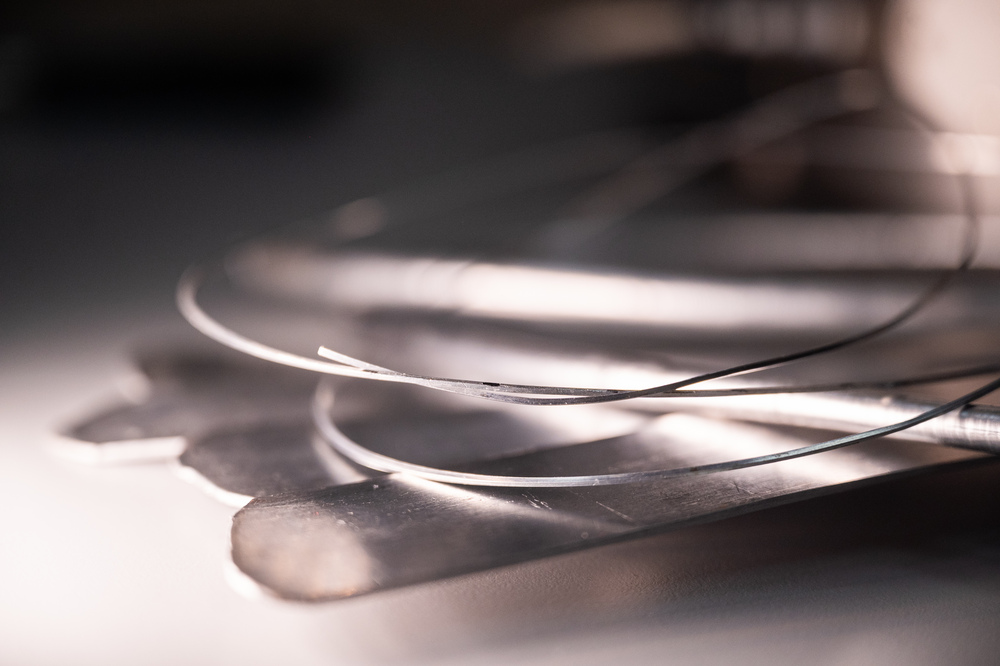
Researchers at MISIS University have developed a new aluminum alloy alloyed with calcium and titanium that demonstrates enhanced heat resistance and wear resistance.
“A team of scientists at MISIS University, led by Professor Nikolai A. Belov, Doctor of Technical Sciences and one of the world’s most highly cited researchers, has developed an innovative aluminum alloy containing calcium and titanium. The material combines excellent casting properties with exceptional ductility. In the future, the new alloy could be used to produce lightweight and durable components for the mechanical engineering industry,” MISIS University Rector Alevtina Chernikova.
Traditional aluminum—silicon alloys are widely used in manufacturing due to their good casting performance, low density, and cost efficiency. However, they have a significant drawback — low ductility. As a result, they are unable to withstand impact loads and complex deformation, which considerably limits their range of applications. The MISIS University researchers proposed an alternative based on an aluminum—calcium system with the addition of titanium.
“We discovered a new compound containing aluminum, calcium, and titanium. As the melt solidifies, a compact ternary phase forms instead of the coarse and brittle crystals that typically reduce alloy deformability,” Evgenia Naumova, Doctor of Technical Sciences and Associate Professor at the Department of Metal Forming at MISIS University.
The detailed findings of the study have been published in the scientific journal Materials Letters.
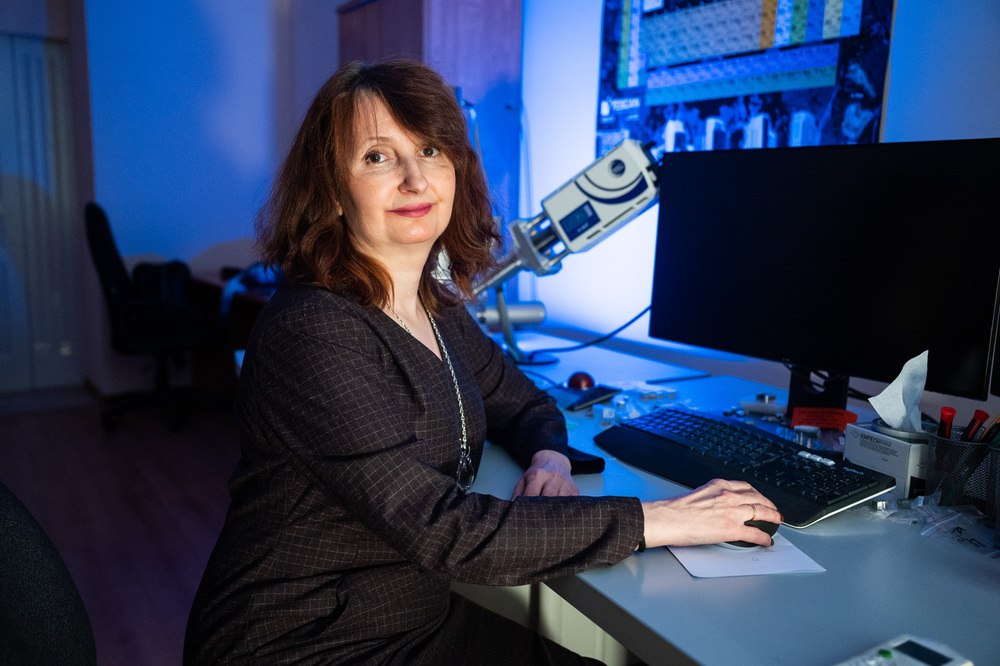
“As the alloy solidifies, it develops a structure we describe as a ‘natural composite.’ It can be compared to a reinforced material: the finest hard particles are uniformly distributed within a ductile aluminum matrix. Hardness increases proportionally with the fraction of these particles. Alloys containing 0.5% titanium demonstrated the optimal balance of properties,” Professor Nikolai Belov, Chief Researcher at the Department of Metal Forming at MISIS University.
The research was supported by a grant from the Russian Science Foundation (Project No.