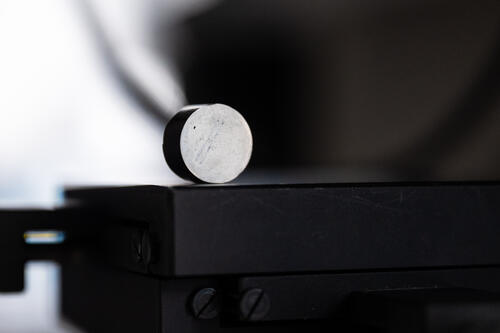
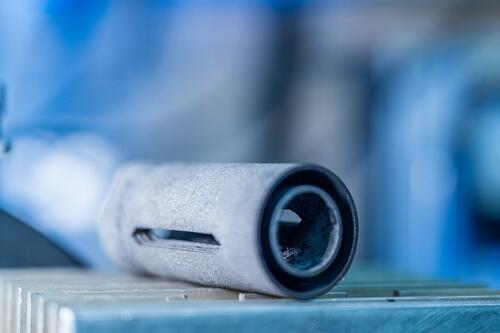
Scientists of NUST MISIS have patented a new alloy with a unique combination of high strength and ductility, outperforming widely used industrial counterparts from the 1201 and 2219 series.
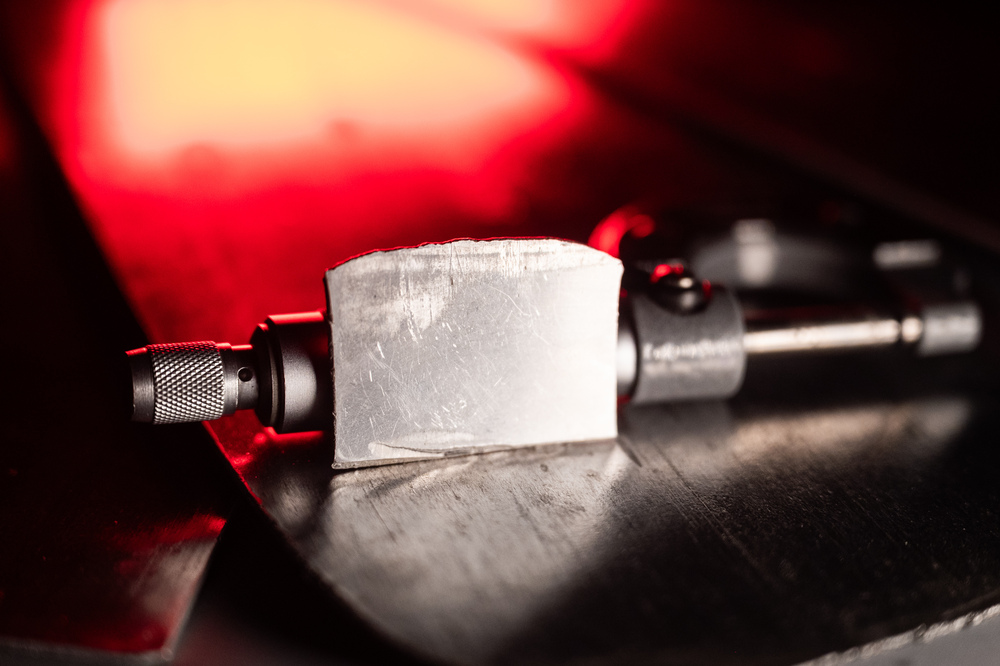
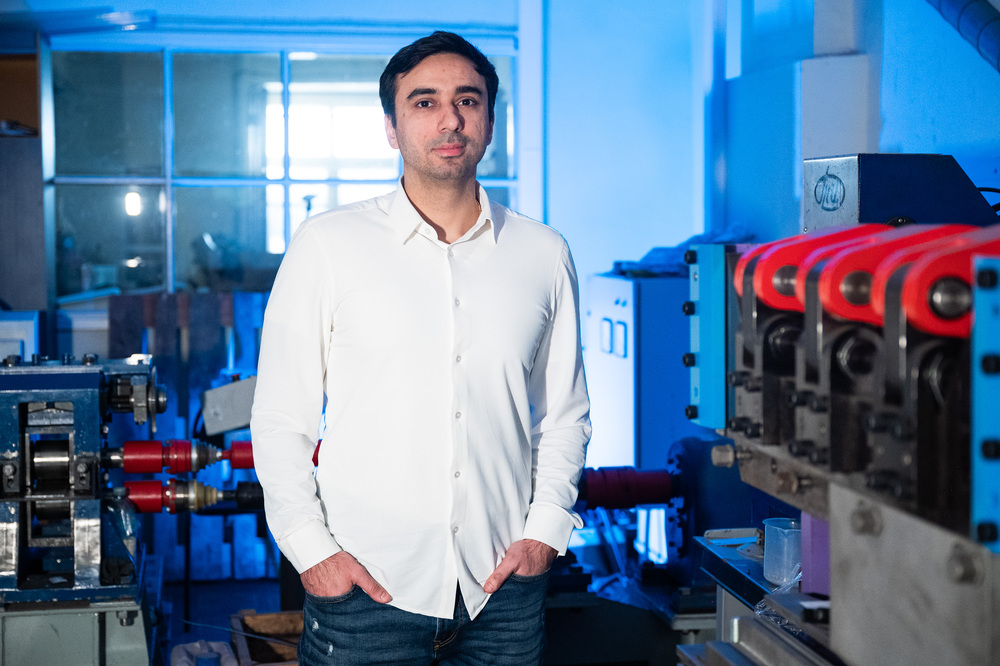
“Developments from NUST MISIS are successfully applied across various high-tech industries: from medicine to aviation and space. The new aluminum alloy with the addition of tin, created by our researchers under the leadership of young and talented Doctor of Technical Sciences Torgom Akopyan, shows strong potential for sectors where the combination of strength and lightness is critical. The use of this patented material will significantly reduce the cost of manufacturing high-load components in the aviation, space, and transport industries,” said Alevtina Chernikova, Rector of NUST MISIS.
At the initial stage, all components were melted, mixed, and cast into ingots. These ingots were then rolled into sheets, which helped densify the metal structure. The most critical stage is heat treatment: first, the alloy was quenched, and then an aging process was applied. At the final stage, a microalloying addition of tin triggered the formation of numerous ultrafine copper-containing particles within the metal, which provide the material with high strength.
“It is important to note that the performance improvement is achieved without the use of expensive or toxic alloying elements such as silver or cadmium, while maintaining a high capacity for deformation without fracture. The alloy can be used to produce structural elements of airframes, frames, fastenings, and landing gear assemblies in the aerospace industry,” said Torgom Akopyan, Doctor of Technical Sciences and Senior Researcher at the Department of Metal Pressure Forming, NUST MISIS.
The new composition and processing regimes make it possible to control the material’s structure at the nanoscale, which increases its key mechanical properties (ultimate strength and yield strength) by
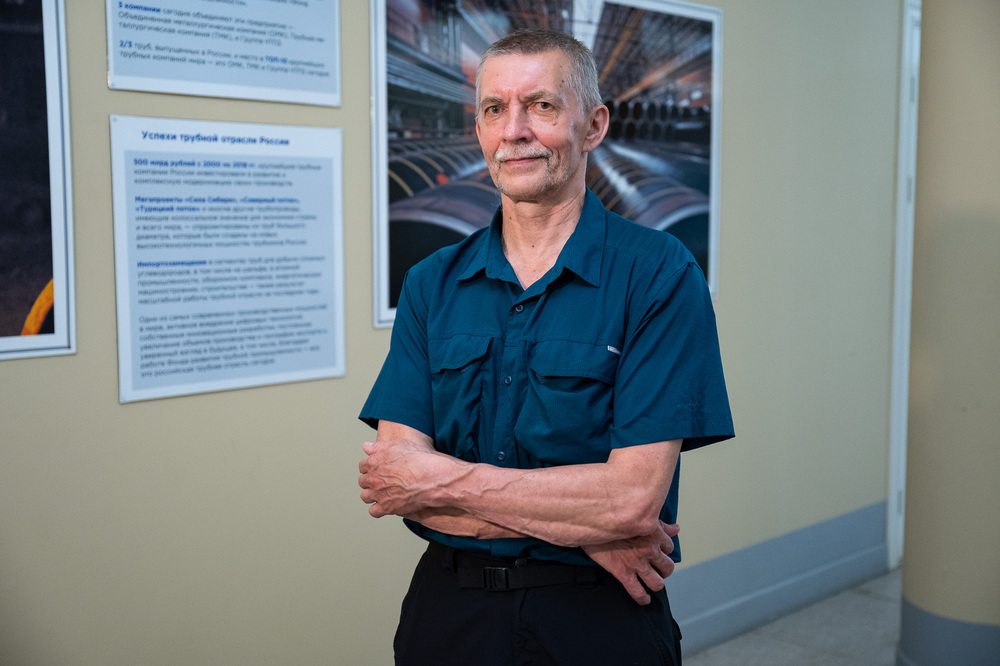
“The advantage of this method lies in its full compatibility with existing industrial infrastructure. Transitioning to the production of the new alloy will not require costly re-equipment of facilities, standard casting, rolling, and heat treatment equipment can be used. This ensures a low barrier to adoption and rapid return on investment,” explained Nikolay Belov, Doctor of Technical Sciences and Chief Researcher at the Department of Metal Pressure Forming, NUST MISIS.
The work was supported by a grant from the Russian Science Foundation (Project No.