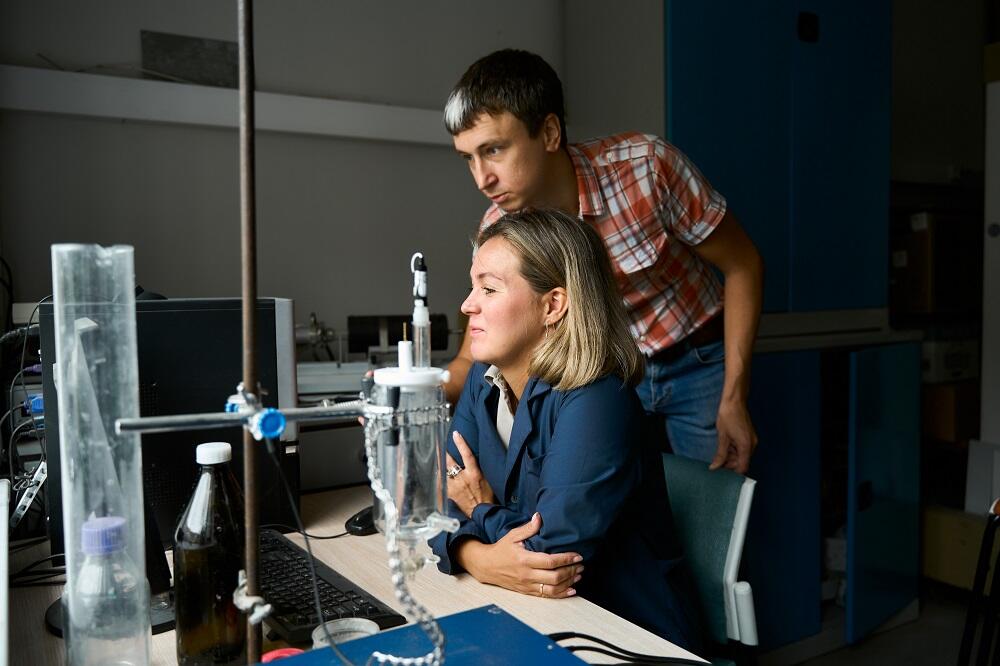
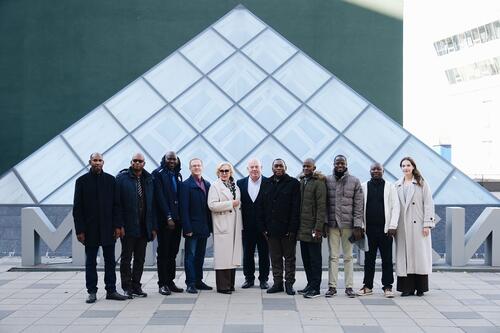
An industrial and educational partnership forum was held at NUST MISIS with the support of Rosatom on the sidelines of the Russia—Africa Summit. The forum focused on training specialists for industrial projects in Africa and developing professional alumni networks. Representatives of African countries based in Russia, Rosatom, industrial companies, technical universities, and alumni associations of Russian and Soviet universities discussed how to move beyond educational cooperation towards long-term partnerships between universities and businesses.
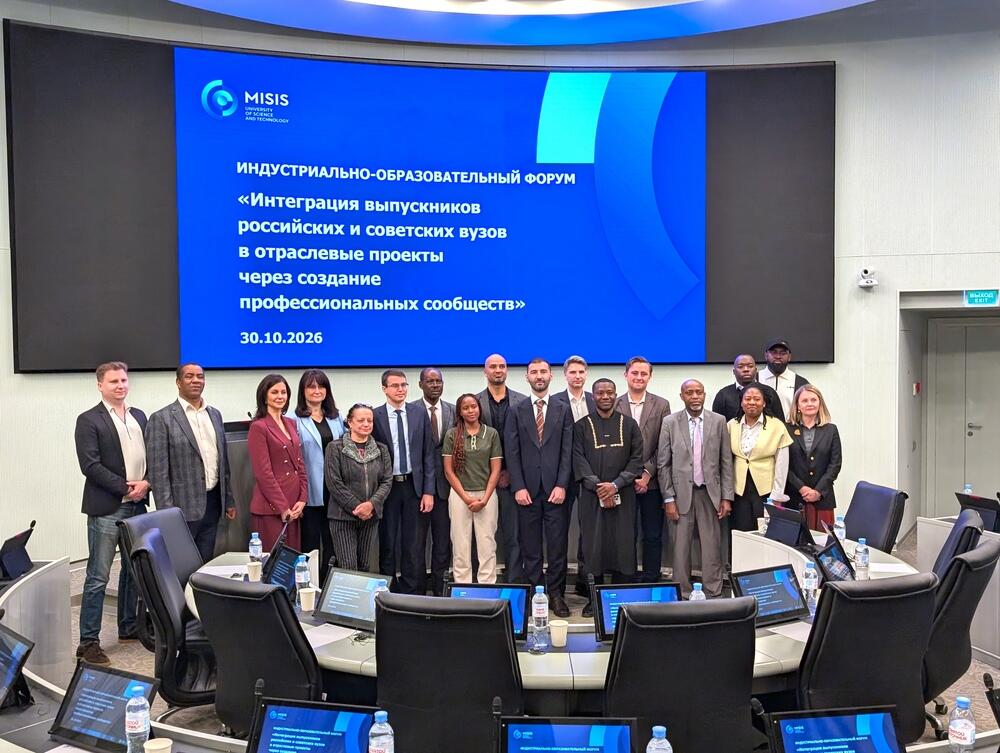
The main focus of the forum was the Industrial and Educational Partnership (IEP) model developed by NUST MISIS as part of a pilot project aimed at improving the higher education system. The model involves eight consecutive stages of cooperation, from developing a joint project and identifying workforce requirements to training specialists and establishing a professional alumni community. This approach enables universities and industrial companies to maintain their cooperation after educational programmes have ended, engaging graduates in the implementation of industry projects.
Professional alumni networks will be a key element of the proposed model. They will help maintain connections between specialists and universities, facilitate the exchange of experience, and encourage graduates to participate in joint industrial projects. To support this initiative, the university plans to establish an Industrial and Educational Partnership platform and an Association of MISIS Alumni in Africa.
Masamba Kah, Head of the NUST MISIS Industrial and Educational Partnership Project with African Countries, outlined three key areas for developing cooperation: training African students with opportunities for subsequent employment in industry projects, developing joint educational programmes with universities in African countries, and providing professional development opportunities for practising engineers and executives of state-owned companies.
Ghana, with its well-developed mineral resources sector and established ties with Russia, was one of the key examples discussed at the forum. Participants explored opportunities to integrate graduates of Russian universities into the operations of local companies, as well as the staffing needs of Rosatom projects across the African continent. Promising areas for cooperation include uranium mining projects in Namibia and Tanzania, rare metals production, and the mining industry.
Following the forum, the organisers plan to select the first group of African students from Russian technical universities for specialised internships. The internships are scheduled to begin in the spring semester of 2027. Universities and industrial companies are also expected to sign agreements on targeted training programmes to prepare specialists for projects across the African continent.