Researchers at NUST MISIS have developed aluminium alloys containing nickel and rare earth metals that could be used in electrical engineering and electric transport. They identified compositions that make aluminium stronger while preserving its ability to conduct electricity efficiently.
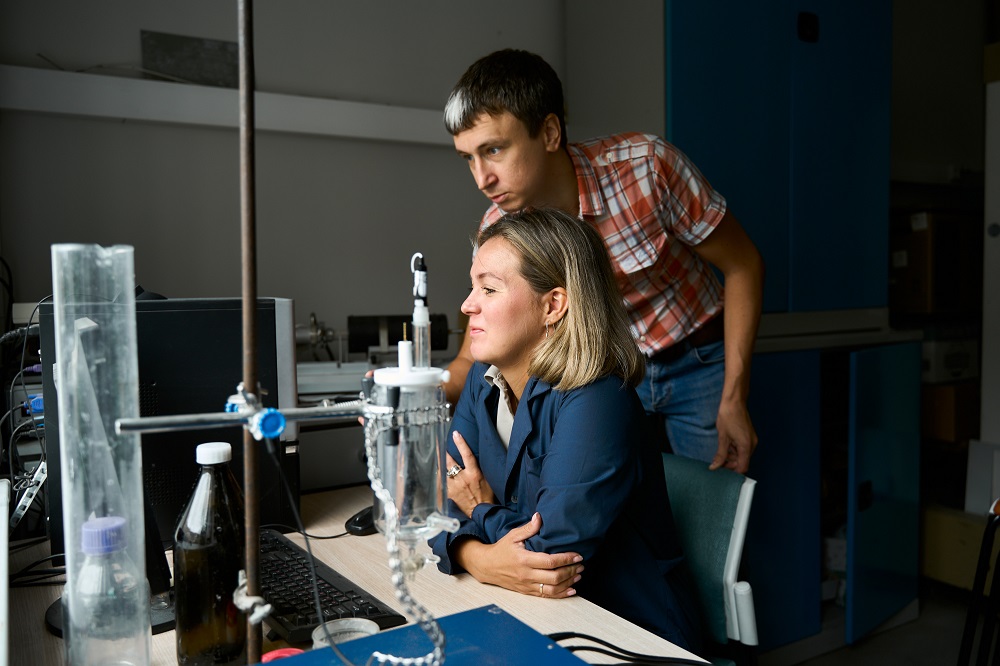
Aluminium is widely used in electrical engineering due to its electrical conductivity and relatively low density. However, when developing new materials for electric vehicles and electrical equipment, it is important to consider not only electrical conductivity but also mechanical strength. Components must withstand mechanical stress while retaining their ability to conduct electricity efficiently and dissipate heat.
One way to improve the properties of aluminium is to add small amounts of other metals. The challenge is to find the right combination of elements so that increased strength does not come at the cost of a significant reduction in electrical conductivity.
MISIS researchers studied aluminium-based alloys containing nickel and one of five rare earth metals: yttrium, erbium, ytterbium, gadolinium or samarium. First, they examined cast alloys — materials produced by pouring molten metal into a mould and allowing it to solidify. The samples were then heat-treated to determine how heating affects the metal’s internal structure and properties.
As the alloy solidifies, tiny particles of compounds containing nickel and rare earth metals form within the aluminium. These particles affect the alloy’s mechanical properties, while their quantity, size and distribution determine how efficiently the material conducts heat and electricity. After heating at
Following heat treatment, the alloys retained good thermal conductivity while demonstrating sufficient strength. This makes them promising candidates for the further development of cast aluminium alloys, including those intended for electric transport applications.
In a second study, the researchers continued their work by investigating how rolling affects the properties of the same alloys. This metal-forming process refined the material’s microstructure. The average size of intermetallic compound particles — compounds formed by different metals within the alloy — decreased from approximately
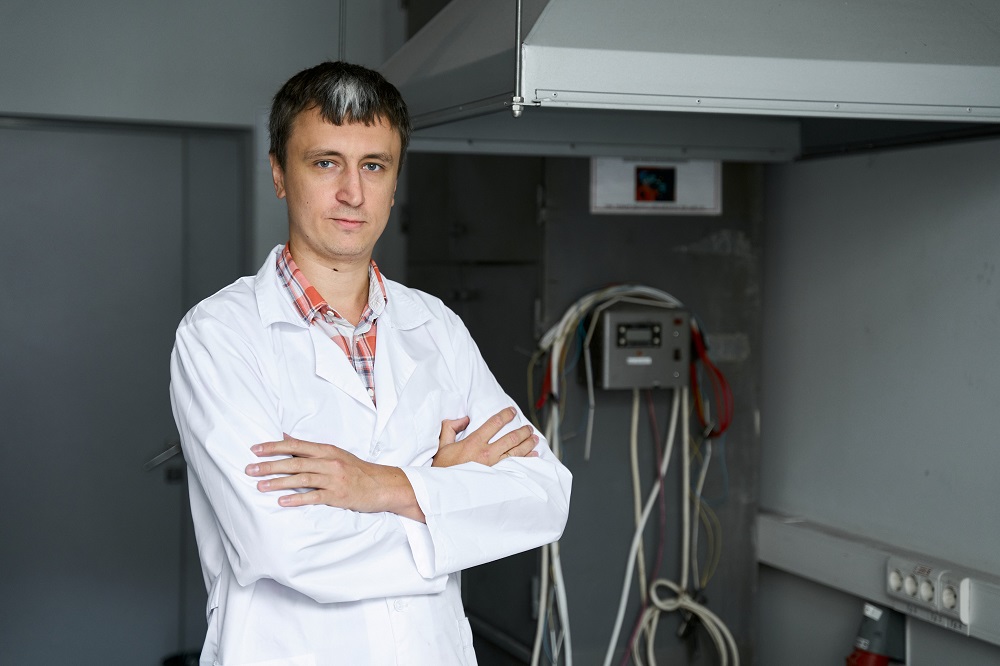
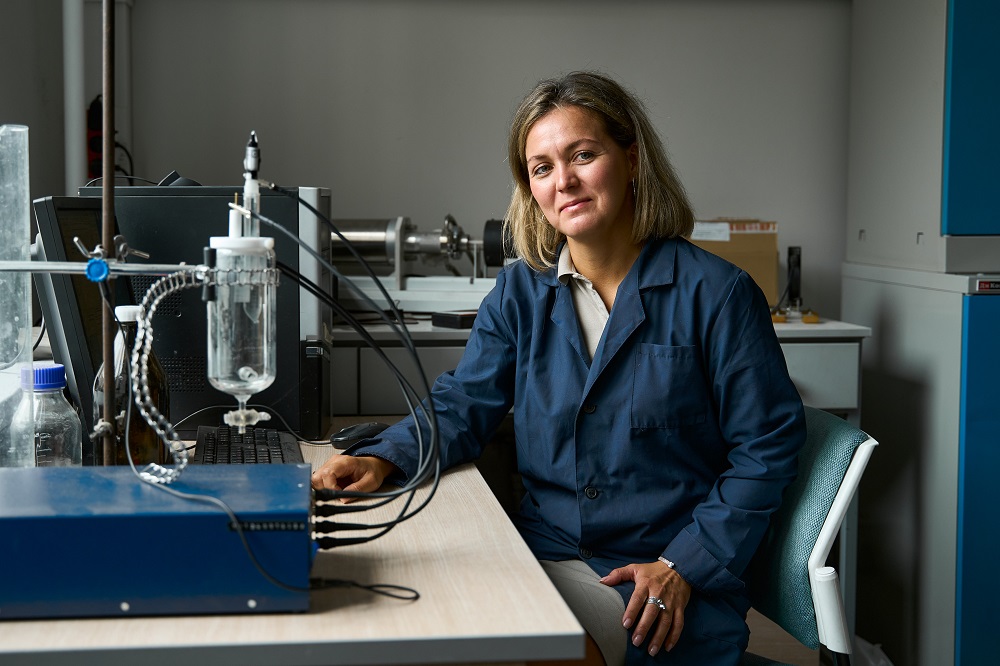
“The best results were obtained with alloys containing yttrium, erbium and ytterbium. Rolling followed by heat treatment increased their strength while preserving their ability to conduct electricity. This is important for developing strong aluminium alloys for use in electrical engineering,” said Maria Glavatskikh, Associate Professor at the Department of Non-Ferrous Metals Science at NUST MISIS.
Both studies demonstrate that the properties of aluminium alloys can be deliberately modified not only by selecting the right alloying elements but also by choosing the appropriate processing methods. For cast materials, achieving a balance between strength and thermal conductivity is essential, while rolling followed by heating offers opportunities to produce stronger alloys with high electrical conductivity.
“The results could provide a basis for further development of materials for electrical conductors and electric vehicle components. At this stage, however, these are promising alloy compositions studied under laboratory conditions. Further research is needed to investigate their properties and assess the feasibility of manufacturing finished products,” said Andrey Pozdnyakov, Associate Professor at the Department of Non-Ferrous Metals Science at NUST MISIS.
The findings were published in the scientific journal Journal of Alloys and Compounds (Q1). The research was supported by the Russian Science Foundation (Project No. 22-79-10142-P).