Researchers from MISIS University and Research Institute of Advanced Materials and Technologies (RIAMT) have developed a new method for producing carbon materials from cotton waste, reducing the processing time to just a few minutes instead of the usual one and a half hours. The materials obtained using this approach can be used in supercapacitors — devices designed for rapid energy storage and release that are widely used in electronics, transport, and energy storage systems.
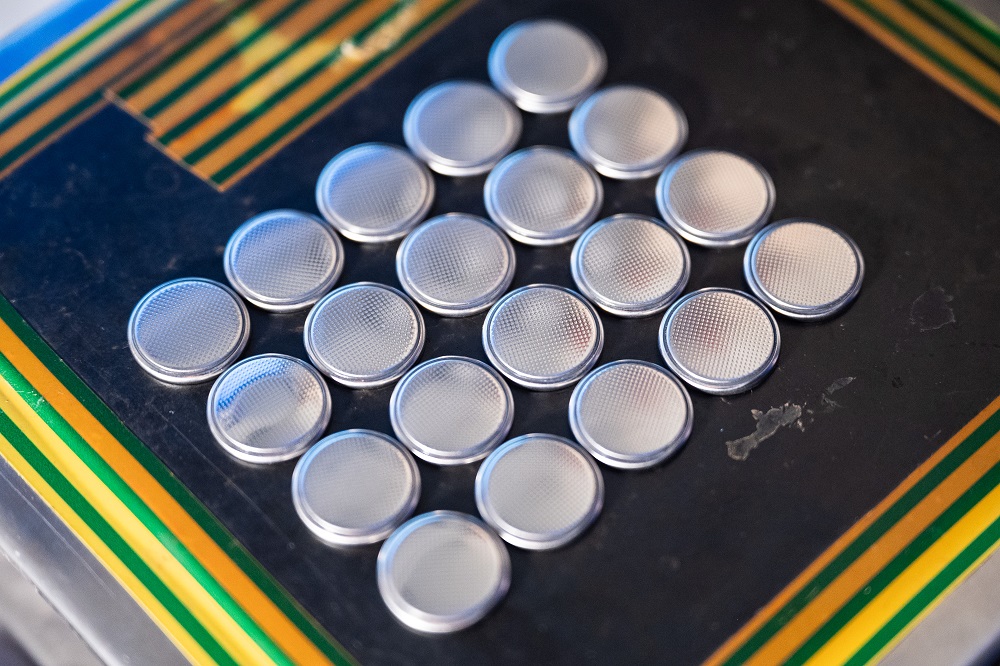
In terms of performance, supercapacitors occupy an intermediate position between conventional capacitors and batteries. They can charge and discharge extremely quickly and withstand tens of thousands of operating cycles. Their characteristics largely depend on the electrode material, which is often activated carbon. However, the traditional production of activated carbon requires considerable time and energy.
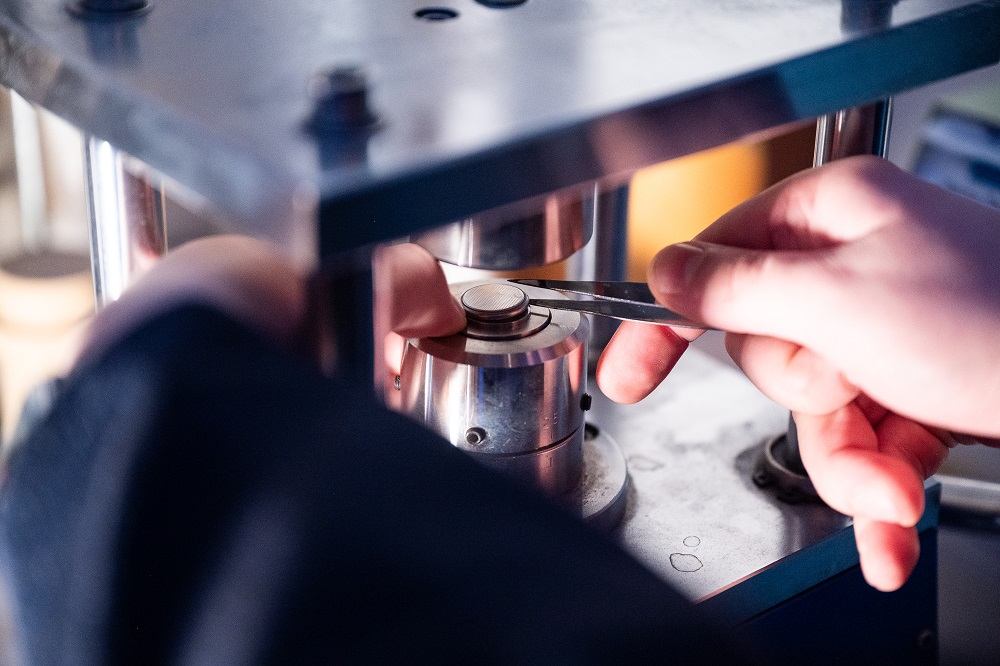
Researchers from MISIS University and RIAMT proposed an alternative approach to producing this material. Instead of prolonged heating in furnaces, they applied microwave treatment in a special waveguide operating in a traveling-wave mode. In such a system, microwave radiation is efficiently absorbed by the entire sample, allowing the material to heat rapidly and uniformly throughout its volume.
As the starting material, the researchers used cotton waste from textile production, which is an accessible and renewable raw material with a high carbon content.
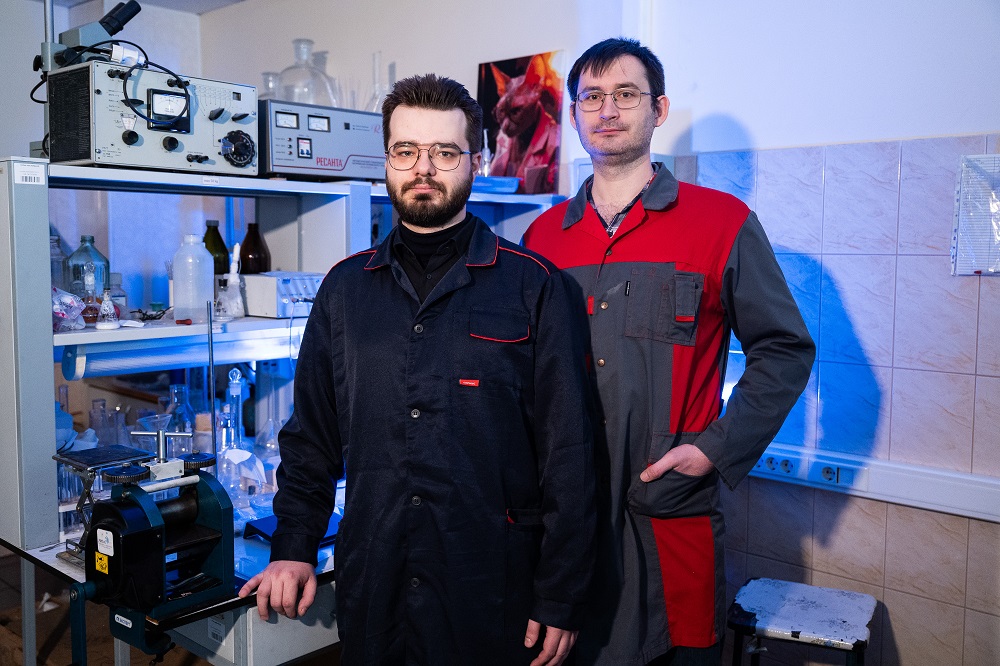
“The entire process of converting the initial cotton into carbon and forming the porous structure took less than five minutes. For comparison, conventional thermal treatment requires more than one and a half hours and significantly higher energy consumption. The resulting carbon materials have a well-developed hierarchical porous structure,” said Valentin Berestov, assistant at the Department of Physical Chemistry at MISIS University and junior researcher at RIAMT.
Traditional analogues are dominated by very small pores, which makes it difficult for electrolyte ions to penetrate quickly. In the new material, however, an effective combination of small pores and larger channels is formed. This facilitates ion transport inside the electrode and improves the performance of the supercapacitor, especially under high loads.
Tests showed that the samples retain more than 95% of their capacitance even after 20,000 charge-discharge cycles. At high current densities, they demonstrate better performance than activated carbons produced by conventional methods.
Details of the study were published in Journal of Energy Storage (Q1).
“Microwave radiation has been used before to produce activated carbon, but typically this is done in so-called resonator-type furnaces, which are structurally very similar to household microwave ovens. In such cases, the speed of production or the quality of the material did not always surpass traditional methods. In our work, we proposed an original technical solution, which is irradiating the sample in a waveguide. This makes it possible to dramatically increase the speed of obtaining materials with the required properties. Using textile waste as a raw material also reduces environmental impact and aligns with the circular economy concept, where waste becomes a resource,” added Ilya Krechetov, Candidate of Physics and Mathematics and associate professor at the Department of Physical Chemistry at MISIS University.
The technology can be scaled and adapted for other types of biomass. In the future, this approach may open the way to rapid and environmentally friendly production of materials for next-generation energy storage systems, from portable electronics to electric transport and industrial energy applications.