Russian scientists have discovered that the interaction of titanium, aluminum, and nitrogen-based materials with molten copper results in the formation of strong and wear-resistant composites. The findings will help create new metal-ceramic materials for use in electrical engineering, aviation, and mechanical engineering.
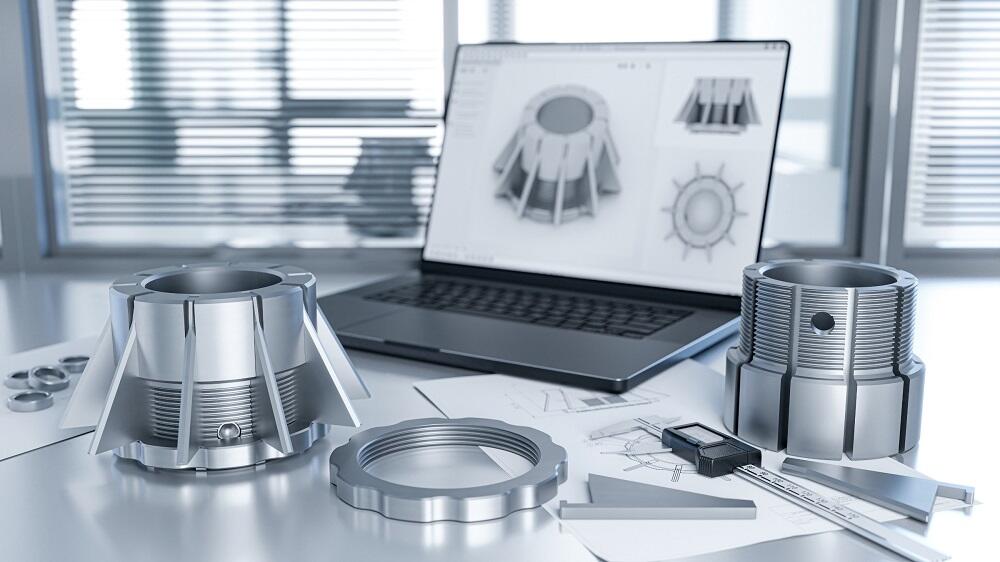
Max phases, which combine the strength of ceramics with the thermal conductivity of metals, are known for their resistance to high temperatures, pressure, and loads. However, a reliable technology for bonding max phases with metals has yet to be developed. The processes occurring at the interface between materials and various molten metals remain incompletely understood.
Researchers from NUST MISIS and the A.G. Merzhanov Institute of Structural Macrokinetics and Materials Science of the Russian Academy of Sciences have studied how molten copper interacts with a max phase made of titanium, aluminum, and nitrogen. The scientists placed polished max phase plates in a vacuum chamber, applied droplets of molten copper at temperatures between 1085 and 1200°C, and recorded the results using high-speed filming and thermographic measurements. They found that when in contact with copper, the max phase decomposes into solid titanium nitride particles, while aluminum atoms move into the copper melt. As a result, the material volume decreases, creating micropores that are then filled with copper. They also discovered that the decomposition and infiltration process can be controlled by adjusting the temperature and heating time above the copper melting point.
“We are the first to describe the mechanism of change in max phases during their high-temperature interaction with copper melts, resulting in the formation of a new composite. Understanding this process will allow the creation of strong intermediate layers for soldering different materials, as well as the synthesis of composites with high strength,” Sergey Zhevnenko, Doctor of Physical and Mathematical Sciences and Professor at the Department of Physical Chemistry at NUST MISiS.
The resulting material turned out to be significantly harder than pure copper. The max phase particles, bonded by the melt, formed a dense structure with increased strength. The bonded grains of the original max phase also showed increased hardness. The composite may be more resistant to wear and deformation while maintaining high electrical conductivity and corrosion resistance. The details of the research were published in the scientific journal Composite Interfaces. The study was supported by a grant from the Russian Science Foundation (project No.