Researchers from NUST MISIS and N.M. Emanuel Institute of Biochemical Physics of the Russian Academy of Sciences have developed a prototype drug delivery system based on polymer nanoparticles loaded with an anticancer drug and coated with a membrane that mimics tumor cells. The biomimetic coating enables the drug to accumulate directly at the tumor site while minimizing damage to healthy tissues. The technology could pave the way for safer and more effective cancer treatments.
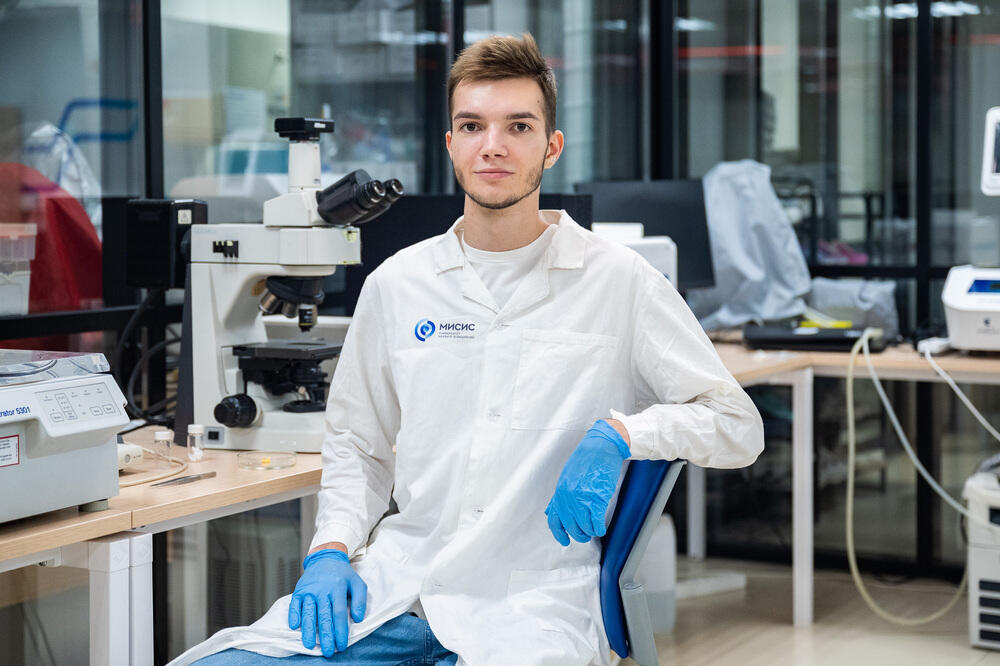
“Targeted drug delivery systems like this represent one of the most promising directions in modern oncology. Nearly 20 million new cancer cases are diagnosed worldwide every year, and chemotherapy remains the primary treatment for a large proportion of patients. Our goal is to develop technologies that make this treatment safer,” said Elena Nikolskaya, PhD in Chemistry and Associate Professor at the College of Biomedical Engineering at NUST MISIS.
Dactinomycin is an anticancer antibiotic used to treat several types of cancer, including melanoma. However, its clinical use is limited by severe side effects, including systemic toxicity, suppression of blood cell production, and damage to the gastrointestinal tract. As a result, physicians often have to reduce the dosage or replace it with less toxic — though sometimes less effective — alternatives. To address this challenge, the researchers proposed delivering the drug using nanoparticles that reduce the exposure of healthy tissues to the highly toxic active compound while enabling its selective accumulation and sustained release within tumors.
“We coated the nanoparticles with membranes derived from melanoma cells. This approach offers two major advantages. First, the immune system is less likely to recognize and eliminate these particles before they reach the tumor. Second, cancer cells preferentially absorb particles with surface characteristics similar to their own, allowing the drug to accumulate precisely where it is needed. The more selectively a nanoparticle targets the tumor, the less toxic drug circulates throughout the body and reaches healthy organs. This reduces both the risk of side effects and the likelihood of treatment resistance,” explained Maxim Vershinin, co-author of the study and a graduate of the Engineering Biotechnology track at NUST MISIS.
The researchers optimized the synthesis conditions to maximize the drug loading capacity of the nanoparticles while ensuring gradual drug release followed by safe biodegradation. In vitro experiments showed that the developed nanoparticles entered tumor cells more efficiently than the conventional formulation and were more than twice as effective at killing melanoma cells.
The project received the award for Best Presentation at BIOTECH FORUM 2025 in Almetyevsk and was also awarded second-degree diplomas at both the Lomonosov 2025 International Conference and the Biochemical Physics 2025 conference.
The research was carried out as part of the Biomedical Engineering and Biomaterials strategic project at NUST MISIS under Russia’s Priority 2030 academic leadership program.