An international team of scientists, including leading Russian researchers from NUST MISIS, Moscow State Pedagogical University, the Russian Quantum Center, and HSE University’s MIEM, has developed an infrared detector capable of sensing radiation simultaneously in two different ways: as a conventional photodetector and as a thermal sensor. This approach opens up opportunities for creating highly efficient next-generation devices that can analyze objects at different temperatures, provide better vision through optical interference, and distinguish materials and objects more accurately based on their thermal signatures.
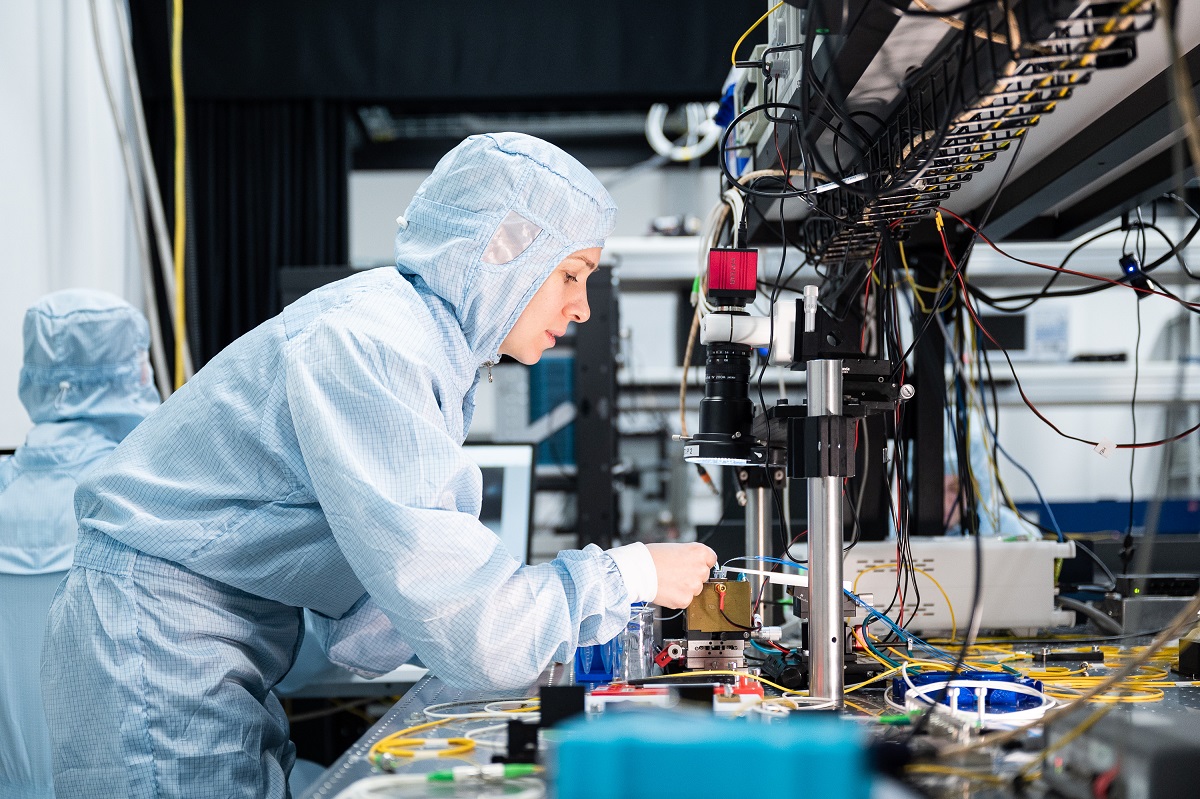
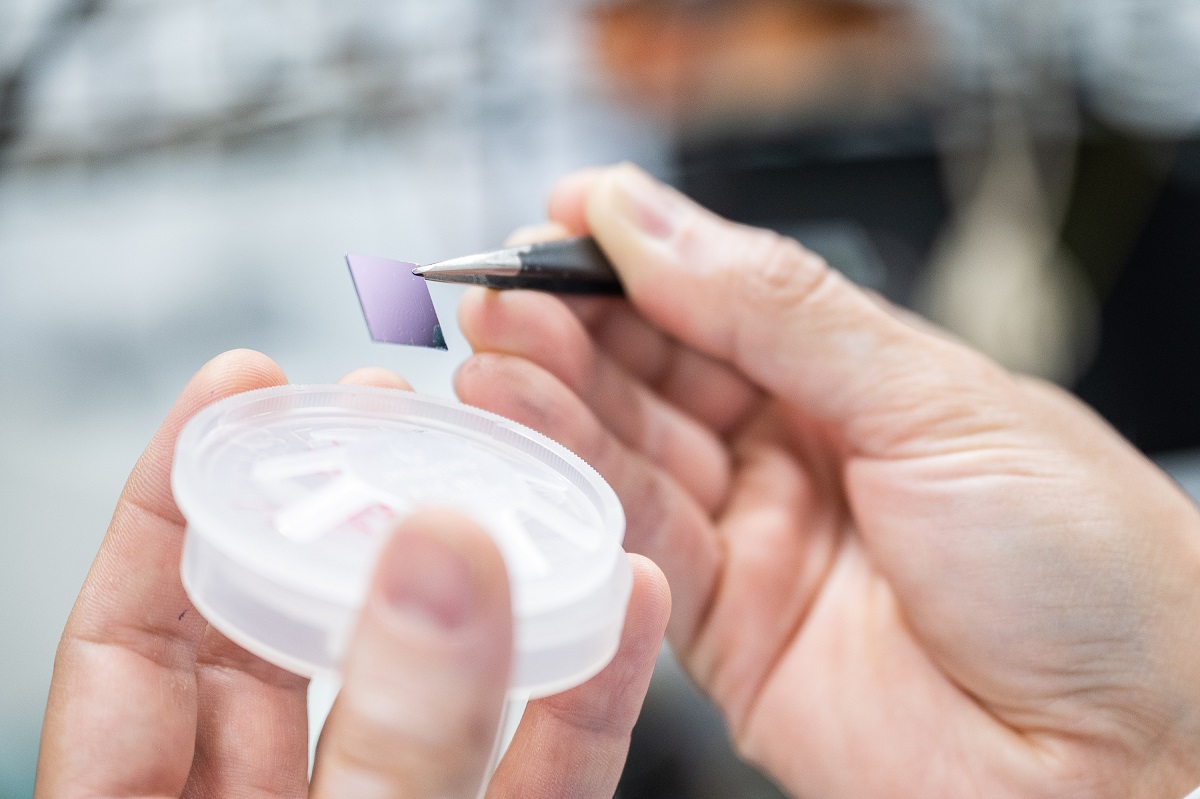
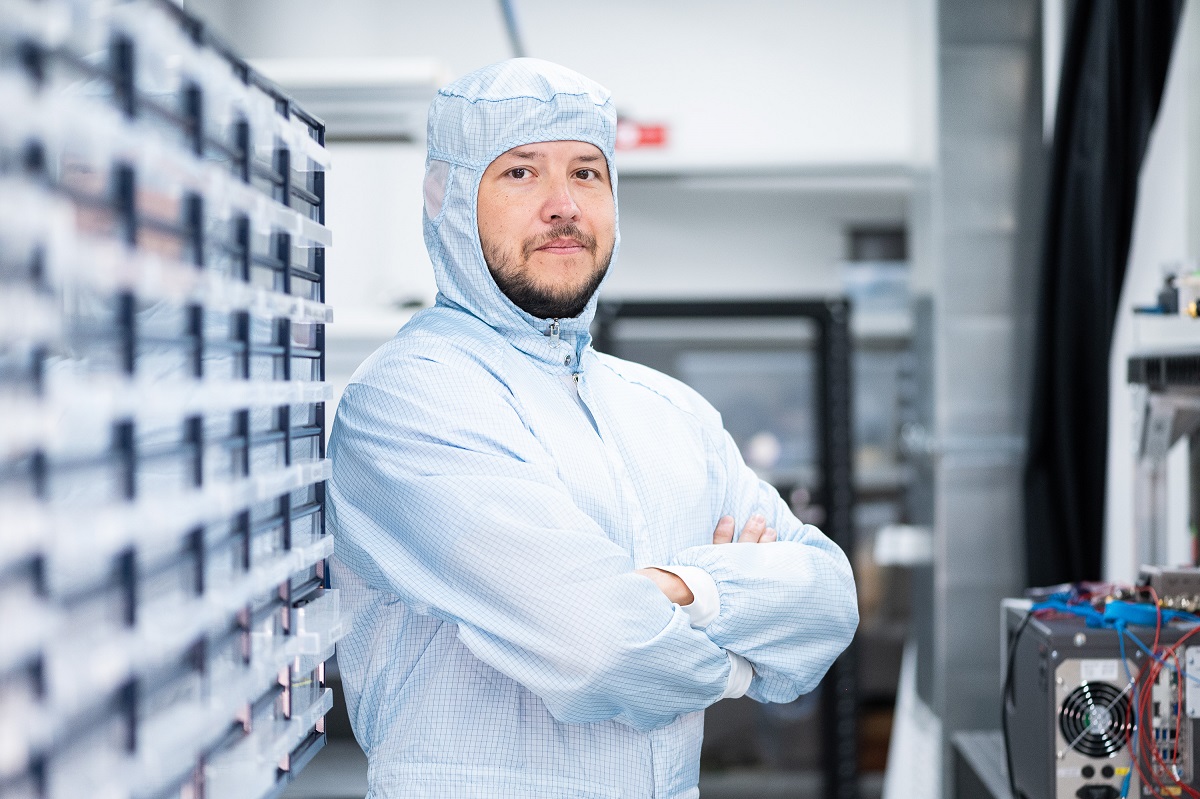
Infrared detectors are used in industrial monitoring, medicine, environmental science, night-vision systems, and space technology. Typically, such devices operate according to one of two principles: either photoelectric sensors directly convert photons into an electrical signal, or thermal sensors detect changes in material properties caused by heating under radiation.
To address this limitation, the scientists developed an innovative infrared sensor based on lead telluride single crystals. For the first time, the device combines two radiation-detection mechanisms — photoelectric and thermal — thereby improving the efficiency of object detection.
“We have shown that a single semiconductor element can detect infrared radiation through two different physical mechanisms. At the same time, the mechanisms have virtually no effect on each other. When exposed to
mid-wave infrared radiation with wavelengths of2–5 μm, the device operates as a conventional photodiode: photons generate an electrical signal through the creation of electron-hole pairs. At longer wavelengths, starting from 10.6 μm, a different mechanism is activated — the barrier pyroelectric effect,” said Danil Kobtsev, Research Assistant at the Laboratory of Photonic Gas Sensors at NUST MISIS.
Lead telluride is widely used in
“Lead telluride is a material with a center of symmetry and cannot exhibit the pyroelectric effect under normal conditions. We introduced an indium impurity into the material and formed a p—n junction, which created an internal electric field inside the crystal. This field broke the local symmetry by shifting the ion sublattices relative to each other. As a result, due to the strong temperature dependence of the dielectric permittivity of lead telluride, we obtained a large electrical signal that can be used to detect radiation with an energy below the bandgap. At the same time, the material retained all of its conventional photoelectric properties, making it possible to combine two infrared radiation detection mechanisms in a single device,” explained Vadim Kovalyuk, Head of the Laboratory of Photonic Gases at NUST MISIS.
The researchers confirmed the performance of the experimental samples within the temperature range typical of high-precision detectors, from −233 to −83 °C. Tests demonstrated high sensitivity in the photoelectric mode, a stable thermal response, and stable performance during prolonged operation. The details of the study have been published in the Journal of Applied Physics (Q2).
“The proposed semiconductor architecture provides a foundation for developing universal, compact, and precise array sensors that can be used in thermal imaging, surveillance systems, industrial diagnostics, and scientific research,” said Grigory Goltsman, Chief Research Scientist at the Laboratory of the Quantum Communications Competence Center of NTI at NUST MISIS.
The project was supported by the Russian Science Foundation (Project No.
and the Ministry of Science and Higher Education of the Russian Federation (Project No. FSME-2025-0002).