At NUST MISIS, researchers have developed a prototype of a sustained-release hydrogel for the treatment of osteoarthritis. The technology could improve treatment efficacy and reduce the risk of side effects.
Osteoarthritis is a chronic disease in which joint cartilage gradually deteriorates and inflammation develops. Today, nearly 600 million people worldwide live with this diagnosis.
“Materials and technologies in biomedical engineering developed by scientists at NUST MISIS are being successfully introduced into medical practice and can significantly improve the quality of life of many patients. At our university, we have developed a prototype of a sustained-release hydrogel based on alginate and sodium hyaluronate for the local treatment of osteoarthritis, one of the most common degenerative joint diseases. The innovative technology delivers an anti-inflammatory drug directly to the affected area of the joint and gradually releases it over a period of two weeks. This eliminates the need for repeated procedures and accelerates treatment,” said Alevtina Chernikova, Rector of NUST MISIS.
Current treatment is primarily symptomatic. At the same time, most drugs have a short-term effect or may negatively affect the entire body, potentially causing side effects. Although existing intra-articular injections deliver medication directly to the site of inflammation, their effects are also limited in duration.
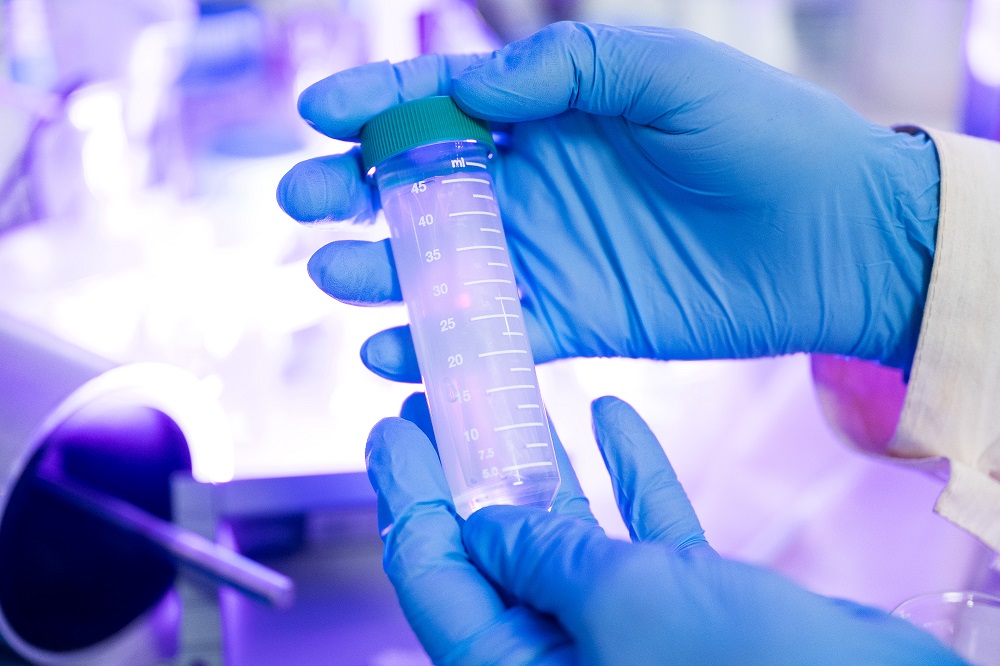
Researchers at NUST MISIS have proposed an alternative approach — an injectable system in which the hydrogel components are administered directly into the joint, where they mix and form a gel matrix. The matrix retains the drug at the site of inflammation and gradually releases it over an extended period. The material is based on two natural polymers — alginate and sodium hyaluronate. The former forms a strong gel structure, while the latter is a natural component of synovial fluid and helps maintain its cushioning properties.
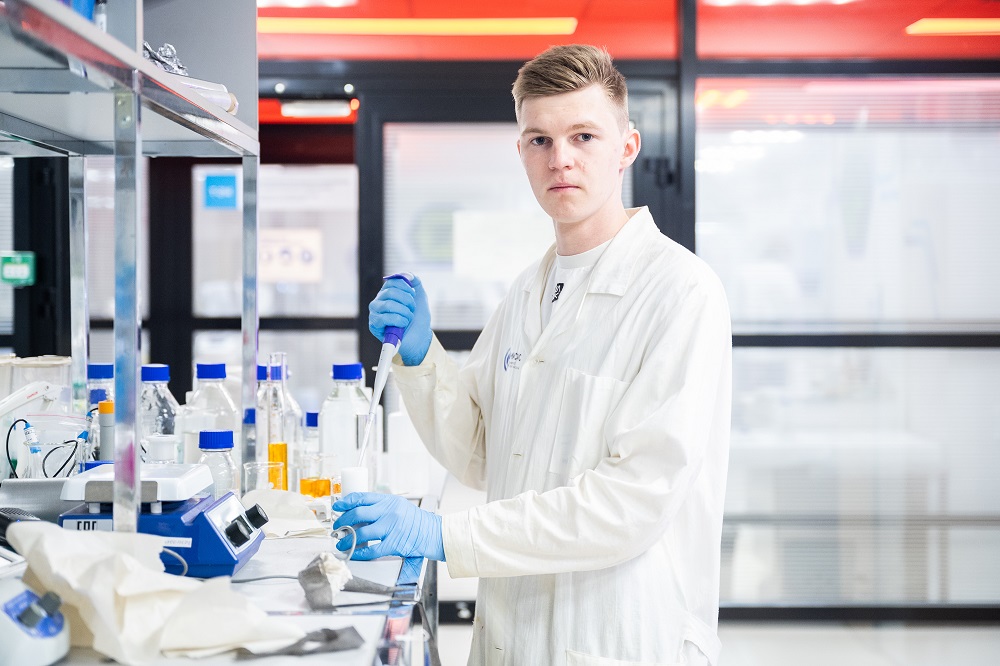
“We developed a two-component delivery system. Before injection, its components are kept in separate syringes and are mixed directly in the joint during administration. As a result, a hydrogel is formed that fills the injection site, retains the drug and gradually releases it. We selected the material composition so that the gel could form immediately after injection while maintaining the required mechanical properties,” said Dmitry Voytsekhovsky, co-author of the study and a graduate of the Engineering Biotechnology program at the College of Biomedical Engineering at NUST MISIS.
As an anti-inflammatory agent, the researchers used ibuprofen. Experiments showed that the hydrogel initially releases part of the drug rapidly, helping to suppress inflammation promptly, and then gradually releases the remaining amount over approximately two weeks. This makes it possible to maintain a therapeutic concentration of the anti-inflammatory compound in the joint area without the need for frequent repeat injections.
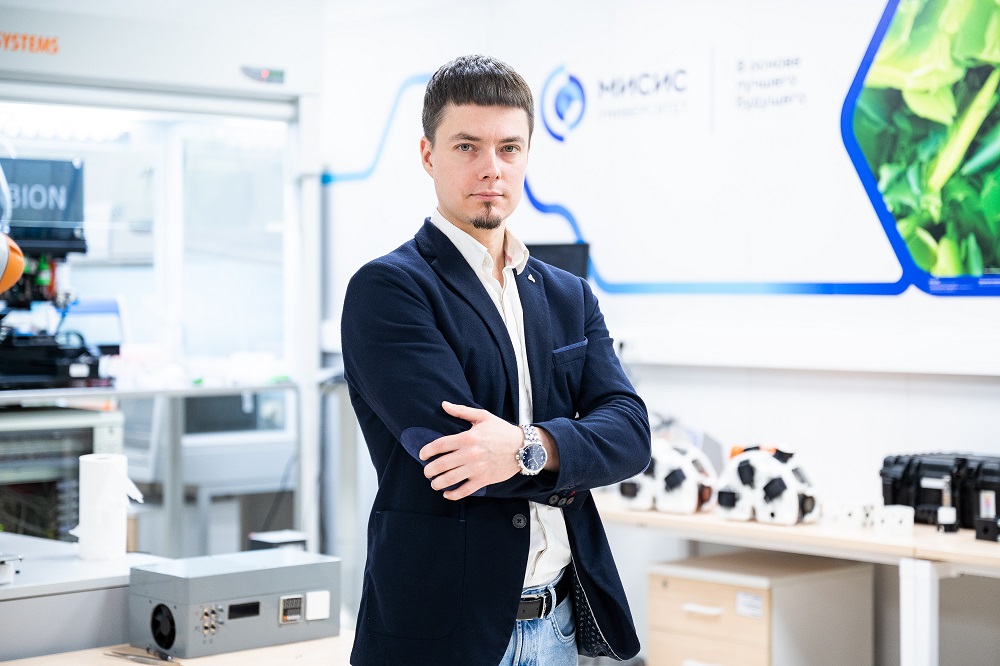
“We tested the safety of the new material in vitro using human cell cultures. The hydrogel showed no toxic effects on connective and cartilage tissue cells, confirming its cytocompatibility. In addition, in combination with ibuprofen, it promotes the transition of immune cells — macrophages — into a state associated with suppression of inflammation and tissue repair. Compared with the control group, the magnitude of this effect increased more than tenfold, confirming the anti-inflammatory properties of the developed system,” said Ekaterina Kuvshinova, leading expert of the research project at the Scientific and Educational Laboratory of Tissue Engineering and Regenerative Medicine at NUST MISIS.
The findings could provide a basis for developing new approaches to the treatment of degenerative joint diseases. In the future, the technology could make osteoarthritis treatment more effective, reduce the overall drug burden on the body and improve patients’ quality of life.
The research contributes to the objectives of NUST MISIS’ strategic technology project “Biomedical Engineering and Biomaterials”, implemented under the Russian Ministry of Science and Higher Education’s Priority 2030 program.