Researchers at MISIS University have used algorithms to improve the performance of giant magnetoimpedance (GMI) sensors designed to detect microcracks and defects in buildings. Their new mathematical model automatically compensates for measurement errors, improving accuracy by more than
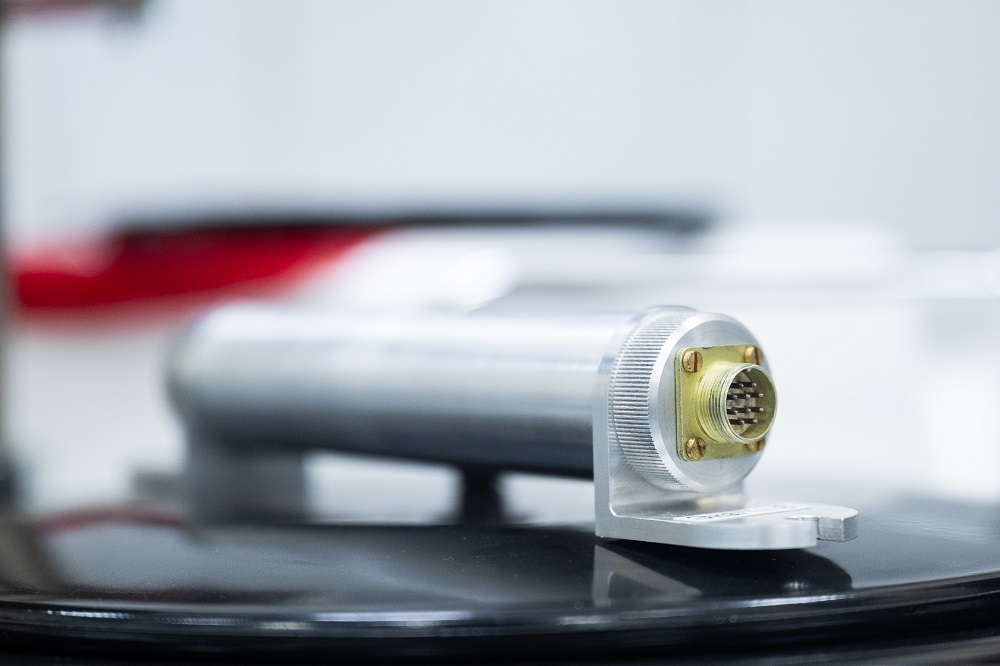
GMI sensors are used across a range of industries: in industrial applications to measure position, speed, strain and temperature; in geophysics to explore for mineral deposits and detect magnetic field anomalies; in biomedicine to detect magnetic labels and nanoparticles; and in non-destructive testing to identify microcracks and defects in structures and metals.
Researchers from MISIS University, the National Research Nuclear University MEPhI, and the Pushkov Institute of Terrestrial Magnetism, Ionosphere and Radio Wave Propagation of the Russian Academy of Sciences have extended the sensor’s operating temperature range through software-based processing of recorded data. A miniature temperature sensor is placed next to the magnetic sensor. A dedicated algorithm analyzes the temperature and automatically adjusts the measurement results to compensate for the effects of heating and cooling. The proposed mathematical model automatically corrects temperature-related errors, maintaining measurement accuracy across a broad industrial temperature range of −50°C to +80°C.
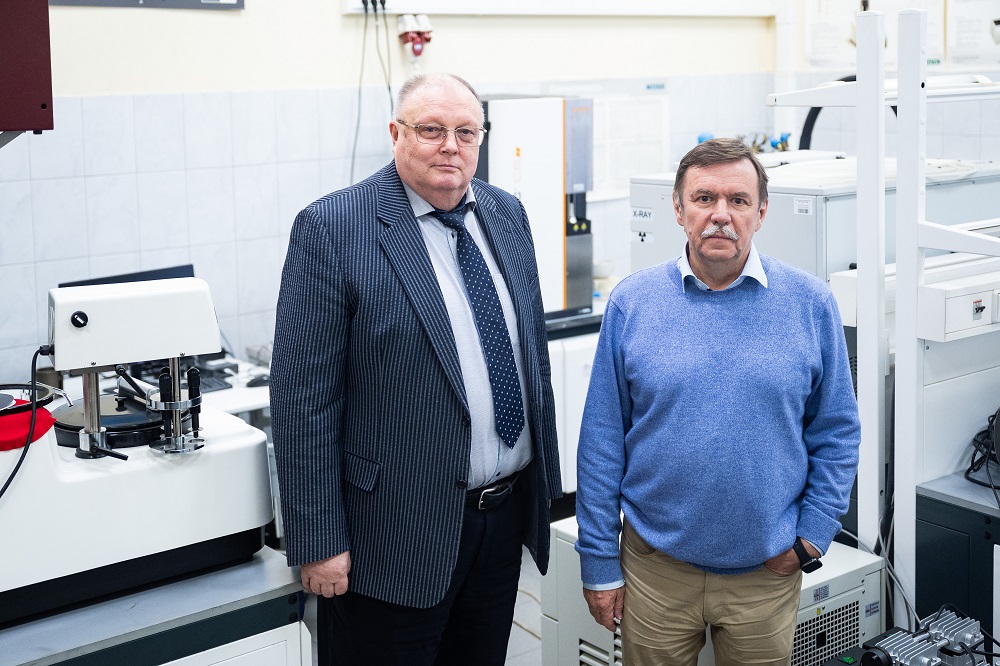
“The proposed solution relies on additional information about changes in ambient temperature and data showing how the GMI sensor’s readings vary as it heats up or cools down. Each device is first calibrated to determine exactly how temperature affects its performance. During subsequent measurements, the algorithm automatically accounts for these changes and corrects the results. This significantly reduces the impact of temperature-related errors on measurement accuracy,” Sergey Gudoshnikov, PhD in Physics and Mathematics, Associate Professor in the Department of Non-Ferrous Metals and Gold at MISIS University.
Without algorithmic correction, temperature changes had a substantial effect on measurement results. After the mathematical model was applied, temperature-related error decreased by more than a factor of 80, and the readings remained virtually unchanged even under significant heating. The findings have been published in the scientific journal Journal of Magnetism and Magnetic Materials (Q2).
“The proposed algorithm requires little computational power and can run even on compact microcontrollers. This makes it easier to integrate into existing measurement systems and well suited to technical applications where minimizing device size and weight is particularly important,” Vadim Tarasov, Doctor of Engineering Sciences, Head of the Department of Non-Ferrous Metals and Gold, and Director of the Center for Industrial Technology Engineering at MISIS University.
The researchers plan to extend the temperature range used for calibration. With further optimization, the method could deliver high measurement accuracy across a temperature range of −50°C to +100°C, significantly expanding the potential applications of these sensors under real-world operating conditions.
The research was carried out as part of the development program for MISIS University’s Engineering Technology Center, focusing on priority areas of scientific and technological development (Agreement No. 075-15-2025-570), and the Russian Ministry of Science and Higher Education’s Priority 2030 program.