


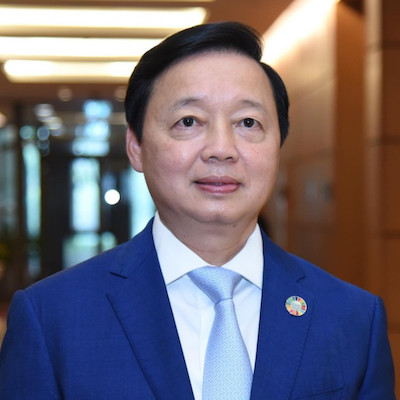
Tran Hong Ha
Deputy Prime Minister of Vietnam
Years of Study:
Field of Study: Technology and Integrated Mechanization of Underground Coal Mining, Moscow Mining Institute (now the College of Mining of NUST MISIS)
Vietnamese public official and politician. He currently serves as Deputy Prime Minister of Vietnam. Member of the 13th Central Committee of the Communist Party of Vietnam and Co-Chair of the Russia—Vietnam Intergovernmental Commission on Trade, Economic, Scientific, and Technical Cooperation.
Tran Hong Ha (born 1963) studied at the Moscow Mining Institute (now the College of Mining of MISIS University) from 1983 to 1991. He graduated with a degree in Technology and Integrated Mechanization of Underground Coal Mining and subsequently continued his studies in a full-time postgraduate program, successfully defending his dissertation for the degree of Ph.D. in Technical Sciences.
Tran Hong Ha comes from a distinguished mining family. His father, the renowned professor Tran Van Huynh, studied mining and metallurgy at Hanoi University of Technology and later transferred to the Moscow Mining University. After returning to Vietnam, Tran Van Huynh taught at Hanoi University of Mining and Geology, served as its rector in the 1970s—1980s, and worked as an advisor to the Vietnamese Ambassador to Russia from 1990 to 1995.
“By a happy coincidence, my father and I were both students of Anatoly Burchakov, a Soviet scientist and Honored Figure of Science and Technology of the USSR. Anatoly Semenovich was not just a lecturer for me, but a Teacher with a capital T — a person who gave me knowledge and skills that later proved invaluable in my work. Therefore, my first word is gratitude to all our professors for giving us knowledge and raising us to be useful members of society”.
Tran Hong Ha arrived in the USSR in 1983 and was enrolled in the first year of the Moscow Mining Institute in the specialty Technology and Integrated Mechanization of Underground Coal Mining. He lived in the “Gornyak-1” dormitory. During his student years, he completed mandatory internships at the Institute’s Elbrus educational and research center and at coal industry enterprises in the Donbas region, including the Donetskugol and Makeevugol production associations. He graduated with honors, receiving a red diploma.
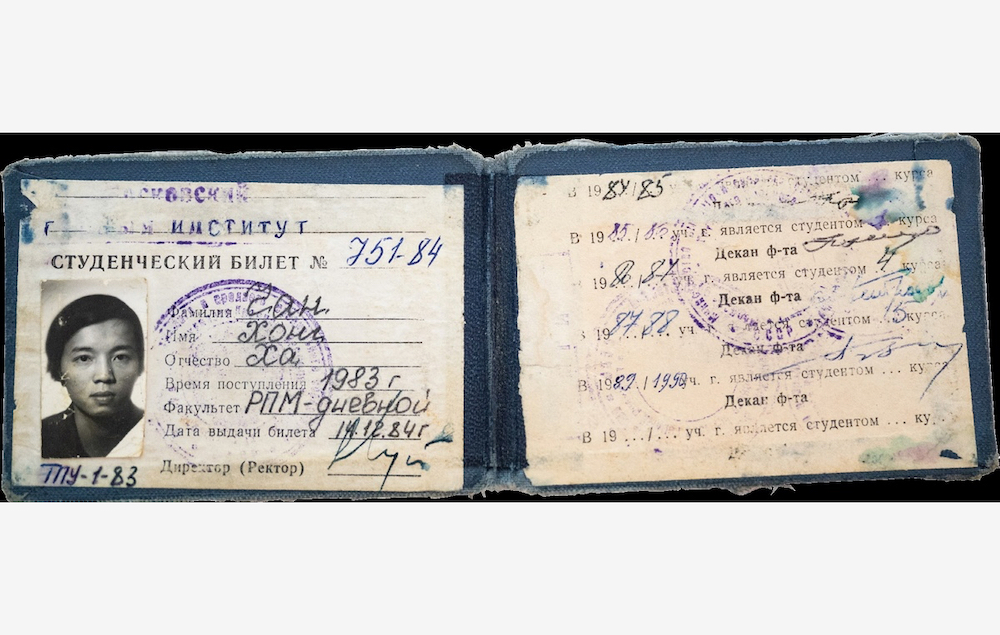
His graduation thesis, devoted to the technical and economic justification for selecting a coal mine development system, was supervised by Professor Sergey Yarunin, Doctor of Technical Sciences, Dean of the Faculty of Underground Mining Development, and a laureate of the USSR Council of Ministers Prize.
During his postgraduate studies at the Moscow Mining Institute, Tran Hong Ha prepared and defended a Ph.D. dissertation on forecasting the parameters of technological schemes for coal mines in Vietnam. His academic supervisor was Professor Yuri Kuznetsov, founder of the scientific school of high-productivity coal mine design.
After completing his studies, from 1992 to 1996 Tran Hong Ha worked as a research fellow at the Сenter for the support of electronic information technology development “Antei” in Moscow. In 1996, he returned to Vietnam, where he built a career in the Ministry of Natural Resources and Environment. He advanced from a specialist in the department of environmental protection to minister of natural resources and environment (appointed in 2016). In parallel, he pursued a party career and has held senior positions within the Central Committee of the Communist Party of Vietnam since 2011. Сurrently he is a member of its 13th Central Committee.
January 2023, Tran Hong Ha was appointed Deputy Prime Minister of Vietnam. In this role, he oversees industry, energy, transport, construction, natural resources, agriculture, environmental protection and climate change, maritime economy, housing policy, and public procurement policy.
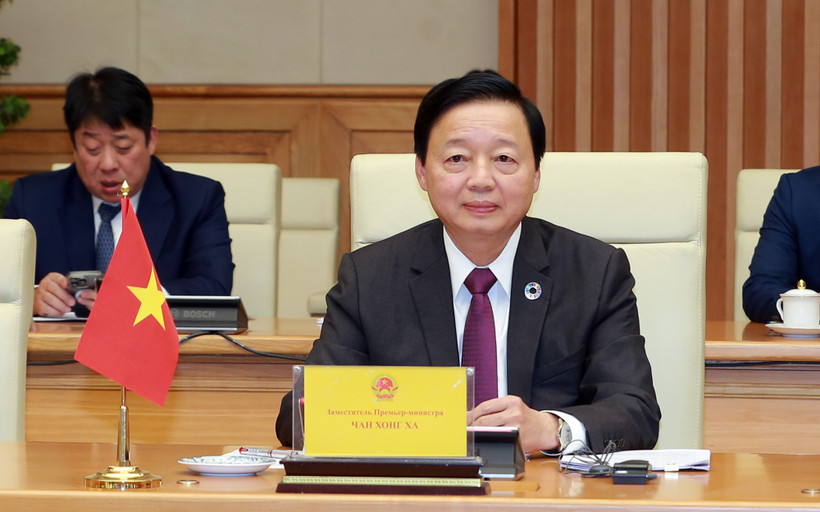
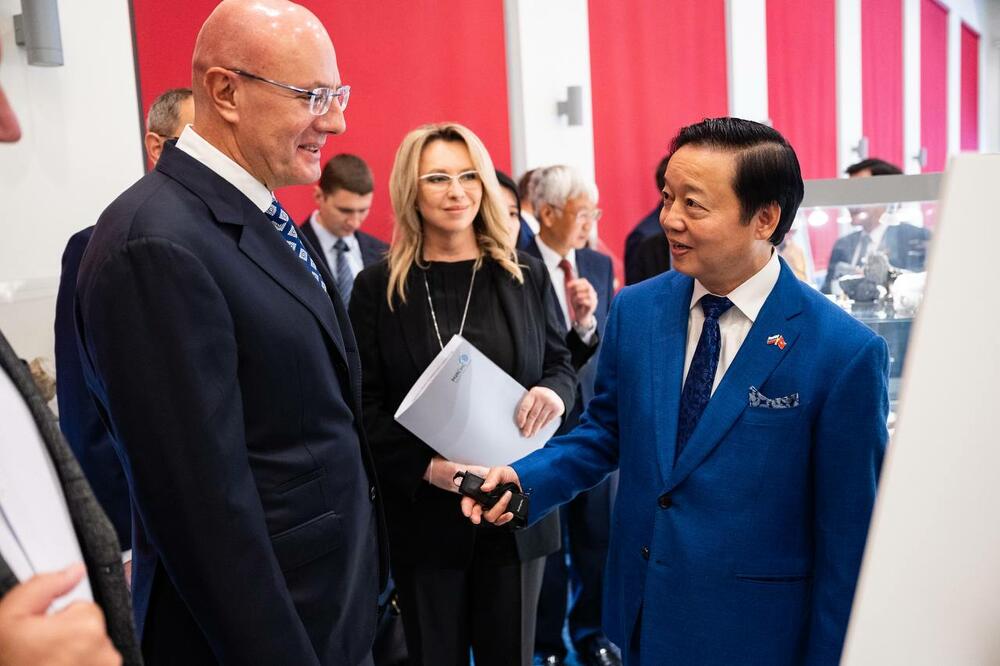
He also serves as Co-Chair of the Russia—Vietnam Intergovernmental Commission on trade, economic, scientific, and technical cooperation. The Russian Co-Chair is Dmitry Chernyshenko, Deputy Prime Minister of the Russian Federation. In this capacity, Tran Hong Ha actively contributes to the development of relations between Vietnam and Russia. In September 2024, during an official visit to Russia, he visited his alma mater — NUST MISIS.
“Soviet educational institutions trained tens of thousands of Vietnamese scientists and engineers who laid a solid scientific and technological foundation. This is an invaluable asset that serves as a red thread connecting our two nations”.
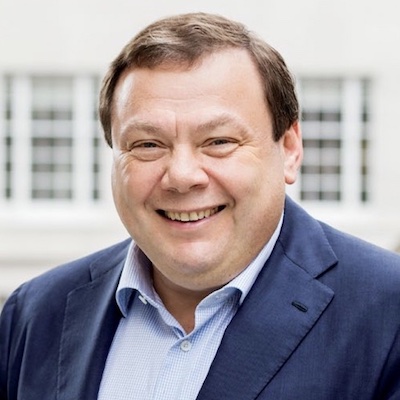
Mikhail Fridman
Russian Billionaire
Years of Study:
Field of Study: Alumina, Faculty of Non-Ferrous Metals
Russian billionaire (ranked 9th in the Forbes Russia Billionaires List with an estimated net worth of $16.5 billion), co-founder of one of Russia’s largest privately owned investment group Alfa Group and international investment company LetterOne Holdings.
Mikhail Fridman was born on April 21, 1964, in Lviv into a family of engineers. His father, a recipient of the USSR State Prize, developed navigation systems for military aircraft. Mikhail Fridman excelled academically at school and participated in mathematics and physics competitions.
In 1981, Mikhail Fridman entered the Moscow Institute of Steel and Alloys (MISiS, the university’s name until 2008), enrolling in the Faculty of Non-Ferrous Metals with a specialization in Alumina. At the institute, he met his future business partners Alexey Kuzmichev and German Khan.
“The overall doctrine at the university was that you had to actively build your bright future. You were expected to take the correct life position, engage in public activities, and maintain good relations with the dean and department heads. [...] MISiS was the right place to gain practical skills and understand how the world and human relationships function”.
Mikhail Fridman’s entrepreneurial and managerial abilities became apparent during his student years. He traded hard-to-obtain theater tickets. In his third year, he organized the informal youth club “Strawberry Fields” in the Metallurg student dorm, named after the Beatles song. The club hosted discos and gigs.
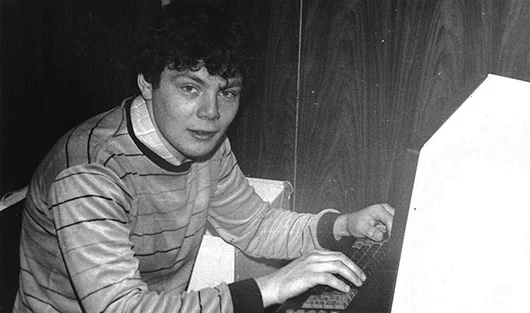
He graduated with honors in 1986 and was assigned to work at the Elektrostal plant near Moscow, where he spent two years as a metallurgical engineer.
Alfa Group and Alfa-Bank
In 1988, together with friends from MiSIS, Mikhail Fridman founded the Courier cooperative, which specialized in food delivery services. In 1989, Mikhail Fridman, German Khan, and Alexey Kuzmichev founded Alfa-Photo, a company selling computers, photocopying equipment, imported chemicals for photo printing, sugar, and carpets. The company was named after Mikhail Alfimov, an academician of the Institute of Chemical Physics, who joined the business as scientific director.
A year later, Alfa-Eco was established from within Alfa-Photo to export oil and metallurgical products. At the same time, the Alfa-Capital voucher fund and the Alfa Group consortium were created.
Alfa-Bank, which became the largest private bank in Russia and one of the country’s leading financial institutions, was founded in 1990 using $100,000 in profits from the partners’ earlier ventures.
During the 1998 Russian financial crisis, Alfa Group was the only major financial-industrial group whose enterprises were largely unaffected, while Alfa-Bank continued distributing cash to retail customers.
As of early 2026, the bank’s equity capital amounts to 815.6 billion rubles, with total assets of 13.5 trillion rubles. By the end of 2025, Alfa-Bank served 42.7 million retail customers and more than 2.3 million small and medium-sized businesses.
TNK-BP and International Investments
In 1997, Alfa Group, together with billionaires Len Blavatnik and Viktor Vekselberg, acquired the state-owned Tyumen Oil Company (TNK) for $800 million during Russia’s loans-for-shares privatization auctions.
In 2003, TNK-BP was established jointly with BP and became one of Russia’s largest oil companies, ranking third in oil production. Ten years later, TNK-BP, valued at $56 billion, was sold to the state-owned Rosneft.
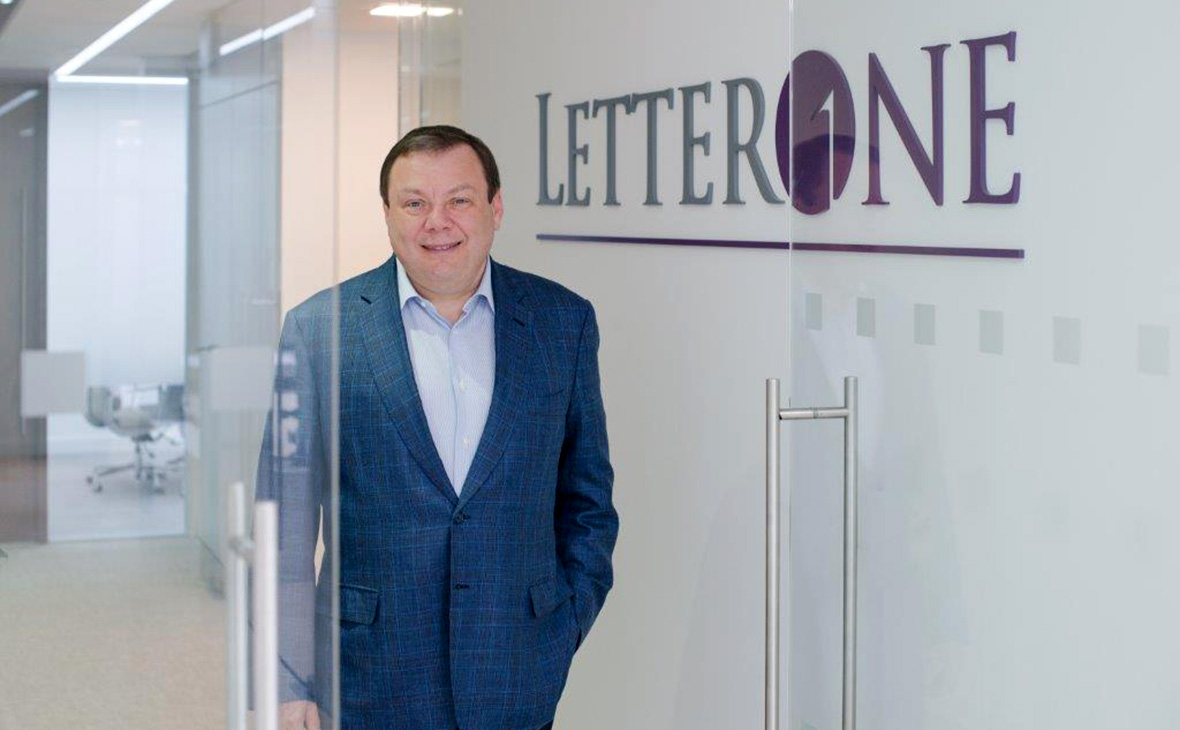
In 2013, Mikhail Fridman and his partners founded the international investment company LetterOne after selling their 25% stake in TNK-BP for $14 billion. LetterOne invested in international assets, including the German oil and gas company DEA, the Turkish telecom operator Turkcell, the telecom holding VEON, and the Spanish supermarket chain Dia.
In 2022, Mikhail Fridman stepped down from the boards of LetterOne and Alfa Group and resigned as Chairman of Alfa-Bank, a position he had held since 1991.
Public and Philanthropic Activities
Between 2010 and 2020, Alfa Group and LetterOne spent more than $1.2 billion on charitable and social entrepreneurship initiatives.
Mikhail Fridman served on the Council for Banking Activities and the Council for Entrepreneurship under the Government of the Russian Federation and was a member of the bureau of the Russian Union of Industrialists and Entrepreneurs. In 1996, he became one of the founders and vice presidents of the Russian Jewish Congress, where he continues to serve on the presidium.
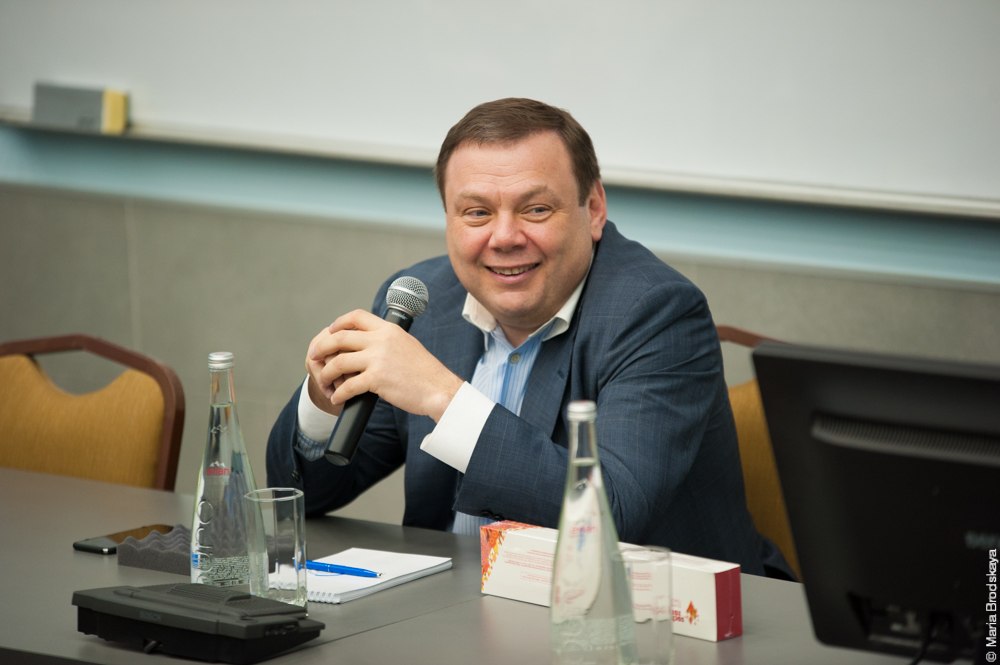
Fridman is also a donor to the NUST MISIS endowment fund and regularly returns to his alma mater to deliver lectures.
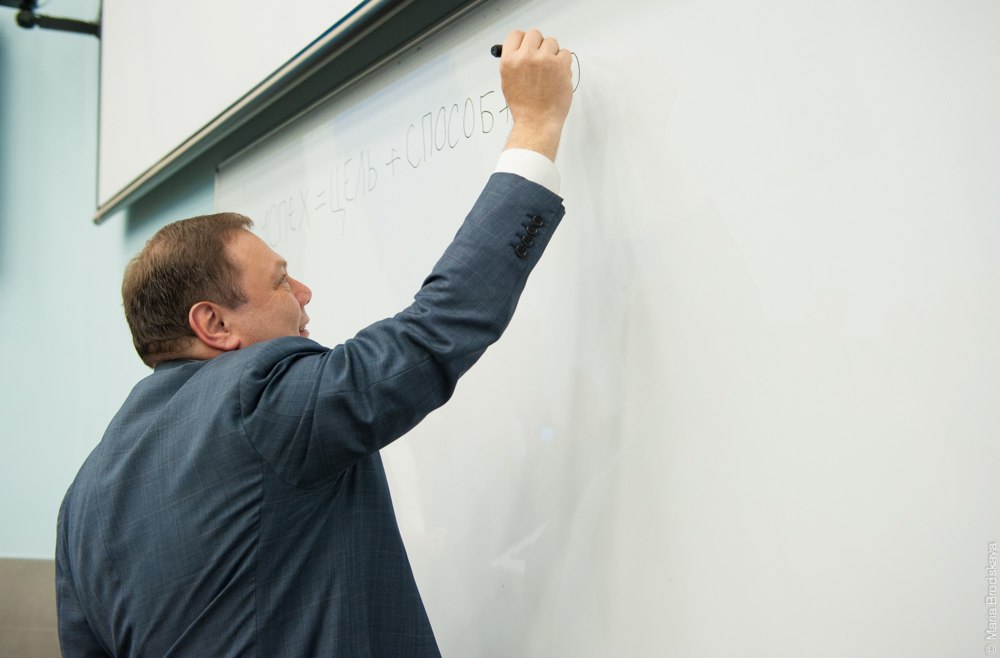
“You should always strive to achieve your goal, but at the same time realistically assess how achievable your idea is. The world is full of ideas, but unfortunately only a small number are ever realized. Don’t focus on finding investors — focus on projects that do not require major investment. My formula for success consists of four elements: purpose, method, relationships, and intellect”.
Rahim Huseynov
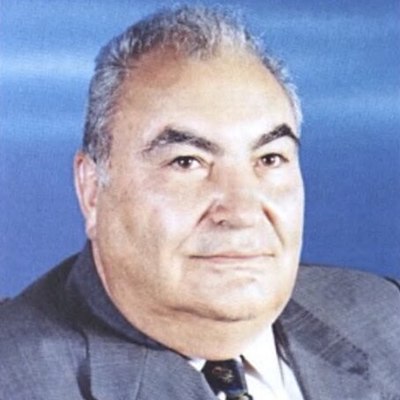
Former Prime Minister of Azerbaijan
Years of Study:
Specialization: Metallurgical Engineer
Soviet and Azerbaijani economic and statesman. He served as Chairman of the State Planning Committee of Azerbaijan, Deputy Chairman of the Council of Ministers of the Azerbaijan SSR, and Prime Minister of Azerbaijan.
Rahim Aliguseyn oglu Huseynov
After returning to Azerbaijan, Huseynov began his professional career at the Azerbaijan Pipe Rolling Plant. From 1959 to 1962, he advanced from assistant foreman to head of the pipe-rolling shop and chief technologist, gaining extensive hands-on experience in industrial production management.
From 1962 onward, his career was associated with the state planning system. Between 1962 and 1965, he worked as chief specialist and head of a department at the State Planning Committee of the Azerbaijan SSR. He later held senior positions in the system of material and technical supply under the Council of Ministers of the republic, including Chairman of the Republican State Committee for Material and Technical Supply
From 1989 to 1992, Rahim Huseynov headed the State Planning Committee of Azerbaijan while simultaneously serving as Deputy Chairman of the Council of Ministers of the Azerbaijan SSR. In May 1992, he was elected Prime Minister of the Republic of Azerbaijan. He held this post until January 1993, after which he voluntarily resigned.
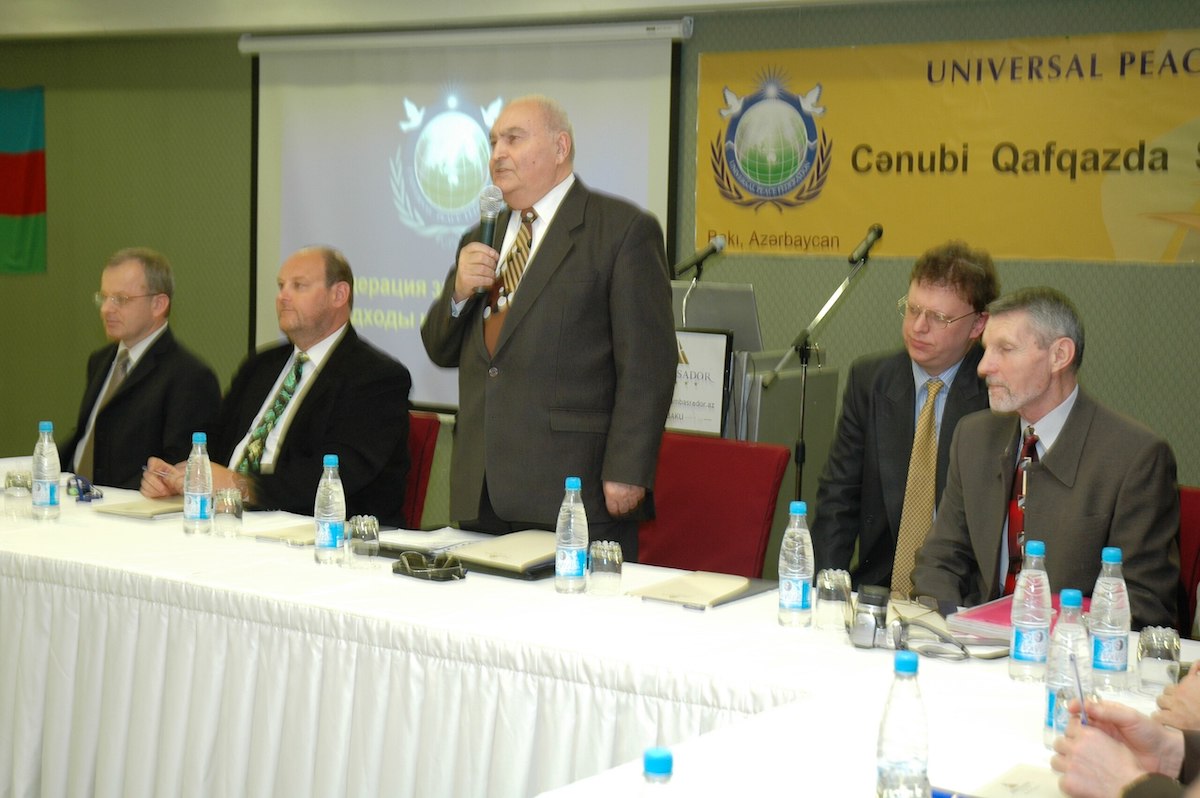
In addition to public service, Rahim Huseynov was actively involved in public and scientific-technical activities. From 1990, he chaired the Union of Scientists and Engineers of Azerbaijan, and from 1994 served as President of the International Khazar Foundation and Vice President of the International Union of Scientists and Engineers.
He was awarded the Orders of the Red Banner of Labor, Friendship of Peoples, Badge of Honor, as well as several medals.
Zhou Yaohe
Chinese Materials Scientist
Years of Study:
Specialization: Metallurgy, Ph.D. in Engineering
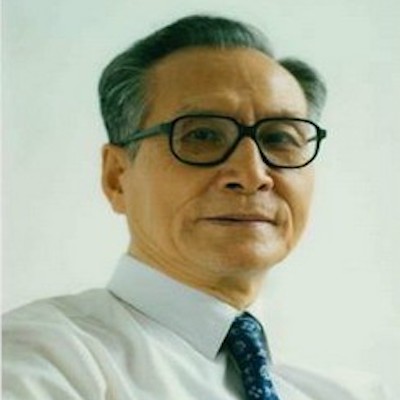
Renowned physical metallurgist and pioneer of solidification science in China. Academician of the Chinese Academy of Sciences.
Zhou Yaohe
From 1954 to 1957, he studied at the Moscow Institute of Steel named after I. V. Stalin (the name of NUST MISIS from 1930 to 1962), where he earned the degree of Ph.D. of Technical Sciences. Upon returning to China, Zhou Yaohe played a key role in establishing the Chinese school of foundry engineering: he led the creation of the Foundry Department at Northwestern Polytechnical University in Xi’an and became its first head.
Over subsequent decades, Zhou Yaohe devoted his scientific career to the study of metal solidification processes and casting technology. In the 1980s, he participated in the establishment of the State Key Laboratory of Solidification Processing. His research laid the foundations for the theory of forced crystallization, ingot segregation, and non-equilibrium solidification.
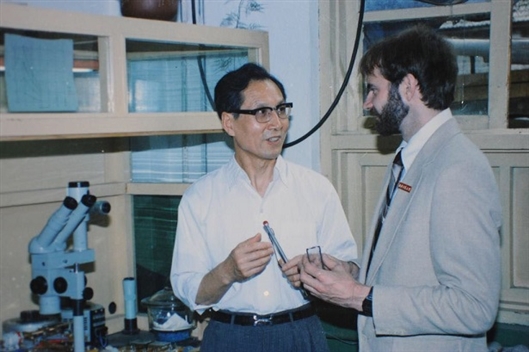
In 1991, Zhou Yaohe was elected an Academician of the Chinese Academy of Sciences. From 1996, he served as a professor at the School of Materials Science and Engineering at Shanghai Jiao Tong University (#47 in the QS World University Rankings), where in his later years he focused on research into environmentally friendly materials.
Over the course of his career, Zhou Yaohe published more than 500 scientific papers, supervised dozens of Ph.D. and doctoral students, and received numerous national and industry awards. He became the first academician in China specializing in foundry engineering and the first Chinese president of the World Foundry Organization.
Carsten Drebenstedt
Professor at TU Bergakademie Freiberg
Years of Study:
Spesialization: Surface Mining, Moscow Mining Institute
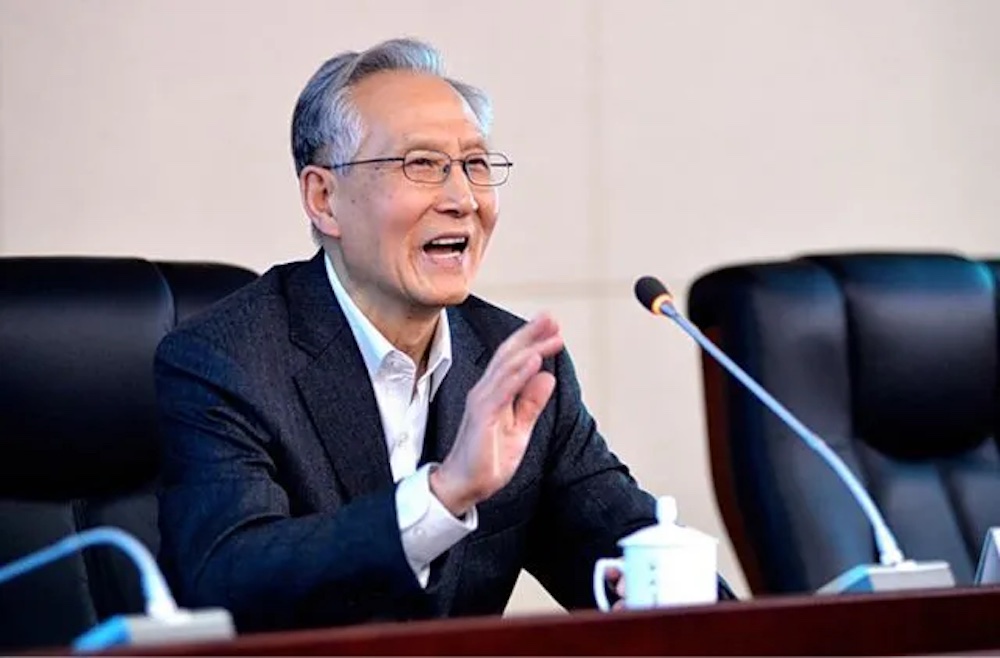
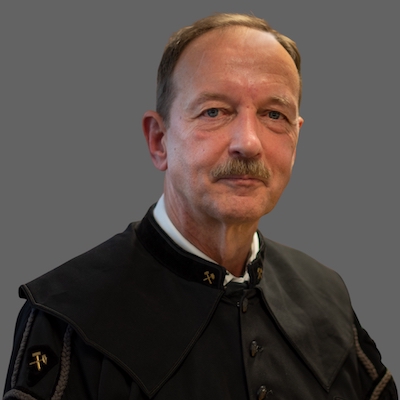
Distinguished German mining engineer, professor at TU Bergakademie Freiberg (Freiberg University of Mining and Technology), and Honorary Doctor of the College of Mining of NUST MISIS.
Carsten Drebenstedt was born on February 3, 1959, in Magdeburg, East Germany, into the family of an emergency management specialist. As a child, he was fascinated by the novels of Jules Verne and dreamed of becoming either a geologist or a sailor. He studied Russian at school and later decided to continue his education in the USSR.
In 1977, he entered the Moscow Mining Institute (now the College of Mining of NUST MISIS), specializing in Surface Mining. According to Carsten Drebenstedt, during his student years he “used every opportunity to learn more about the Soviet Union”. He completed internships at the Elbrus educational and industrial training center in the Caucasus, at the Angren coal mine in Uzbekistan, and in the Kryvyi Rih iron ore basin in Ukraine. After his third year, he spent several months working with a student construction brigade on the construction of a pulp and paper mill near Lake Baikal.
Carsten Drebenstedt graduated from the Moscow Mining Institute with honors in 1982.
“Studying abroad taught me independence, because I had to take care of everything myself. German students studying at home could bring their laundry to their mothers and take food supplies from home for the week. We had to organize our own lives independently”.
After graduating, he spent 17 years working in the mining industry in the Lusatian coal basin, where he advanced from process engineer to head of planning management for a group of open-pit mines. In this position, he oversaw mining operations, geomechanics, dewatering, mining economics, construction, and land reclamation. Later, he joined company management as the executive responsible for reclamation and mine closure, supervising 30 open-pit mines.
In 1990, he successfully defended his Ph.D. dissertation at the Moscow Mining Institute on the use of bucket-wheel excavator systems in the overburden rocks of the Mikhailovsky iron ore mine near Zheleznogorsk.
In 1999, he began his academic career as Professor of Surface Mining at TU Bergakademie Freiberg. From 2000 to 2006, he served as Vice-Rector for Research.
During this period, the university launched a project aimed at restoring cooperation with Russian universities, and as a Russian-speaking faculty member, Carsten Drebenstedt was appointed coordinator of the initiative. A consortium of Russian universities was established, including National University of Oil and Gas “Gubkin University”, Sergo Ordzhonikidze Russian State University for Geological Prospecting, Moscow State Mining University (since 2014 — the College of Mining of NUST MISIS), and Moscow Institute of Steel and Alloys (MISiS). Within this framework, a dual-degree project was developed.
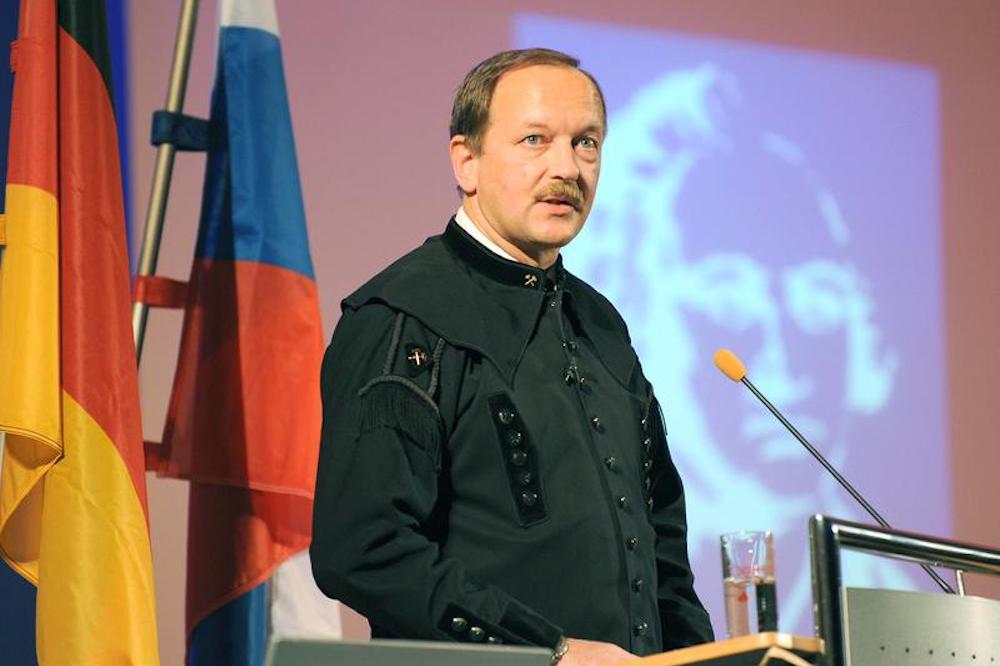
From 2013 to 2016, Carsten Drebenstedt served as Dean of the Faculty of Geosciences, Geoengineering and Mining at TU Bergakademie Freiberg, and until 2025 headed the Department of Mining and Surface Excavation.
His research interests include mine planning, mining technologies, environmental issues in mining, rehabilitation and reclamation of disturbed lands, mine water management, and raw materials studies.
As part of his international activities, Carsten Drebenstedt represents TU Bergakademie Freiberg in many countries and coordinates cooperation projects in Central Asia and Mongolia, as well as in Western and Eastern Africa. He has implemented dozens of international scientific and educational projects. Since 2013, he has participated in the establishment of a new mining university in Ulaanbaatar — the German-Mongolian Institute for Resources and Technology (GMIT). In recent years, he founded a laboratory for underwater mining at TU Bergakademie Freiberg and launched a new academic program titled “Space Resources”.
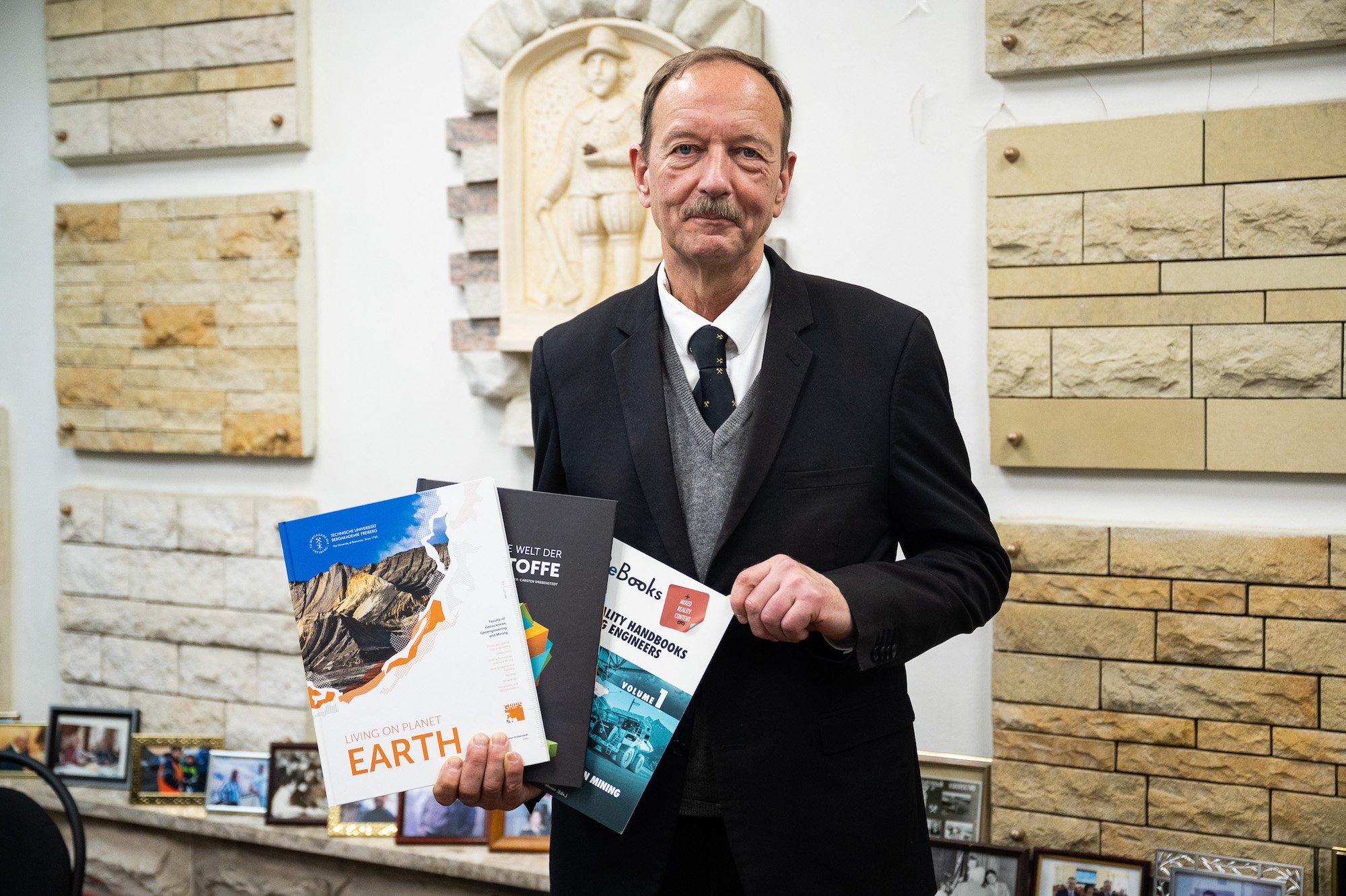
Since 2014, Carsten Drebenstedt has been a full member of the Saxon Academy of Sciences. He is an Honored Miner of Mongolia and Vietnam, the first honorary professor of Hanoi University of Mining and Geology, an honorary member of the Romanian Academy of Technical Sciences, and a member of the Russian Academy of Mining Sciences and the Russian Academy of Natural Sciences. He has been awarded the Russian “Miner’s Glory” Badge, Third Degree.
In 2013, Carsten Drebenstedt received the title of Honorary Doctor of Moscow State Mining University (now the Honorary Doctor of the College of Mining of NUST MISIS).
He is the author of 316 publications, including 14 monographs and textbooks, as well as 11 patents.
“Germany, like Russia, needs mining specialists, and we must do everything possible to inspire applicants to join our industry. Today, a mining engineer works in safe conditions — there is no need to descend into cold, dirty, and damp underground workings. Engineers operate haul trucks and drilling rigs from bright, comfortable control rooms, and in the future they may even mine resources in space. Isn’t that a promising future?”
Anatoly Sedykh
Russian Billionaire
Years of Study:
Field of Study: Engineering Economics
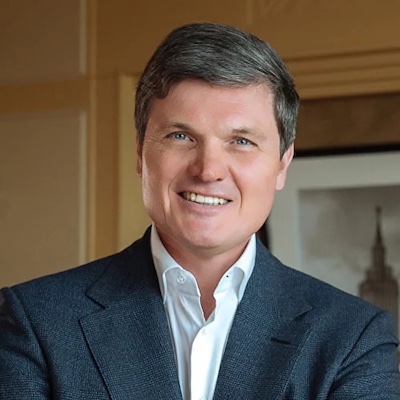
Russian billionaire (ranked 50th on the Russian Forbes list with an estimated net worth of $3 billion), founder of the United Metallurgical Company (OMK), member of the Supervisory Board of MISIS University, and Chairman of the Board of Trustees of the MISIS University Endowment Fund.
Born on November 28, 1964, in Zapolyarny, Murmansk Region, Anatoly Sedykh grew up in a family closely connected to industry: his father worked in non-ferrous metallurgy, while his mother was an economist. As a schoolboy, inspired by observations of the Milky Way and the Northern Lights, he dreamed of becoming an astronomer.
In 1982, he applied to the Moscow Institute of Steel and Alloys (MISiS, the university’s name until 2008), following the advice of his parents. He graduated from MISIS in 1987 with a degree in Engineering Economics. Anatoly Sedykh studied at the Department of Economics and Industrial Organization, which at the time was headed by the distinguished scientist, First Vice-Rector of MISiS Vladimir Romenets, a student of Academician Ivan Bardin.
“When I enrolled at MISiS in 1982, Vladimir Andreyevich Romenets was the First Vice-Rector and a professor. He taught us the course ‘Introduction to the Profession’. It was during his lectures that I realized I had made absolutely the right choice in becoming a metallurgist. [...] At the institute, I gained not only an academic education but also the essential skills that later became the foundation of my business career”.
One of Anatoly Sedykh’s classmates at MISIS was his future wife, Irina Sedykh, co-founder of the charitable foundation OMK-Uchastiye.
Building OMK
Anatoly Sedykh began his professional career as an economist at the Central Research Institute of Ferrous Metallurgy. In 1989, he left the institute and, together with several partners, established a ferrotitanium production facility near Moscow. The enterprise processed scrap metal and produced ferroalloys.
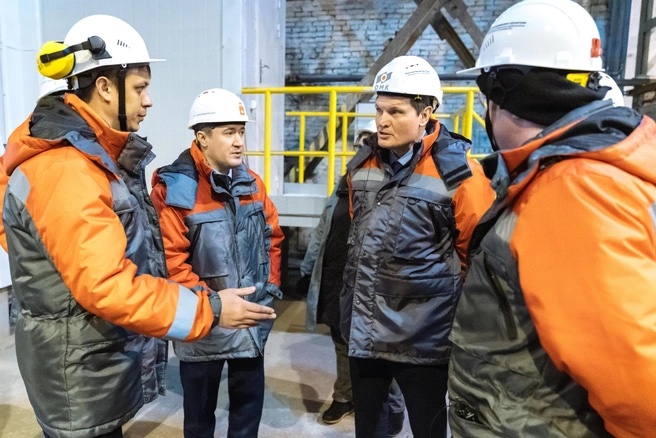
In 1992, Anatoly Sedykh and his partners founded the United Metallurgical Company (OMK) as a trading company for the Vyksa Steel Works (VMZ). Over time, OMK’s management team, led by CEO Anatoly Sedykh, acquired controlling stakes in Vyksa Steel Works, Chusovoy Metallurgical Plant, Chelyabinsk Tube Rolling Plant, Gubakha Coke JSC, and approximately twenty other metallurgical and research enterprises. By 2001, OMK controlled nearly 30% of Russia’s pipe market. By 2013, Anatoly Sedykh and his partners had consolidated ownership by acquiring all minority stakes in the pipe manufacturing plants within the OMK Group.
For decades following its establishment, Sedykh played a direct role in managing the company, serving as CEO and, at various times, as Chairman of the Management Board and Chairman of the Supervisory Board.
Between 1993 and 1999, Sedykh also chaired the Management Board of Metallinvestbank, a financial institution specializing in the metallurgy sector. The bank’s founders included some of Russia’s largest metallurgical enterprises, including Severstal, NLMK, and the Chelyabinsk Metallurgical Plant. In 1999, a controlling stake in the bank was acquired by OMK-affiliated entities.
OMK today
Today, OMK is one of Russia’s largest industrial holdings. The company manufactures pipes, railway wheels, steel plates, and pipeline fittings, supplying leading enterprises in the energy, transportation, and construction sectors. The group includes six metallurgical and machine-building plants employing more than 34,000 people.
OMK’s flagship enterprise is the Vyksa Steel Works (VMZ), one of Russia’s oldest and largest producers of welded steel pipes and railway wheels. The plant serves as the principal employer in the town of Vyksa, located in the Nizhny Novgorod Region.
Since acquiring VMZ in 1999, OMK has invested heavily in both the plant and the town itself. Over the past 25 years, the company has invested more than 300 billion rubles in modernizing production facilities. In partnership with regional and municipal authorities, OMK has also invested more than 15 billion rubles in urban development, education, culture, tourism, and public infrastructure projects in Vyksa.
The notable example of OMK’s contribution to the town is the annual Vyksa Festival, one of Russia’s leading contemporary culture festivals. The event was launched in 2011 at the initiative of Irina Sedykh, co-founder of the OMK-Uchastiye Foundation, with support from OMK.
In recognition of his role in transforming Vyksa, Anatoly Sedykh was awarded the title of Honorary Citizen of the Nizhny Novgorod Region in 2025.
“Urban development should bring satisfaction. If you engage in it merely because it is expected or fashionable, it is impossible to achieve meaningful long-term results”.
Partnership with MISIS University
With OMK’s support, a branch campus of MISIS University was established in Vyksa in 2002. In 2022, OMK participated in a major reconstruction project that resulted in the opening of a modernized campus. As of 2026, the branch serves approximately 600 students.

OMK considers students of the Vyksa branch of MISIS University to be future members of the company. The Vyksa Steel Works offers internships, industrial placements, scholarships, and extensive involvement of OMK experts in curriculum development, implementation, and assessment.
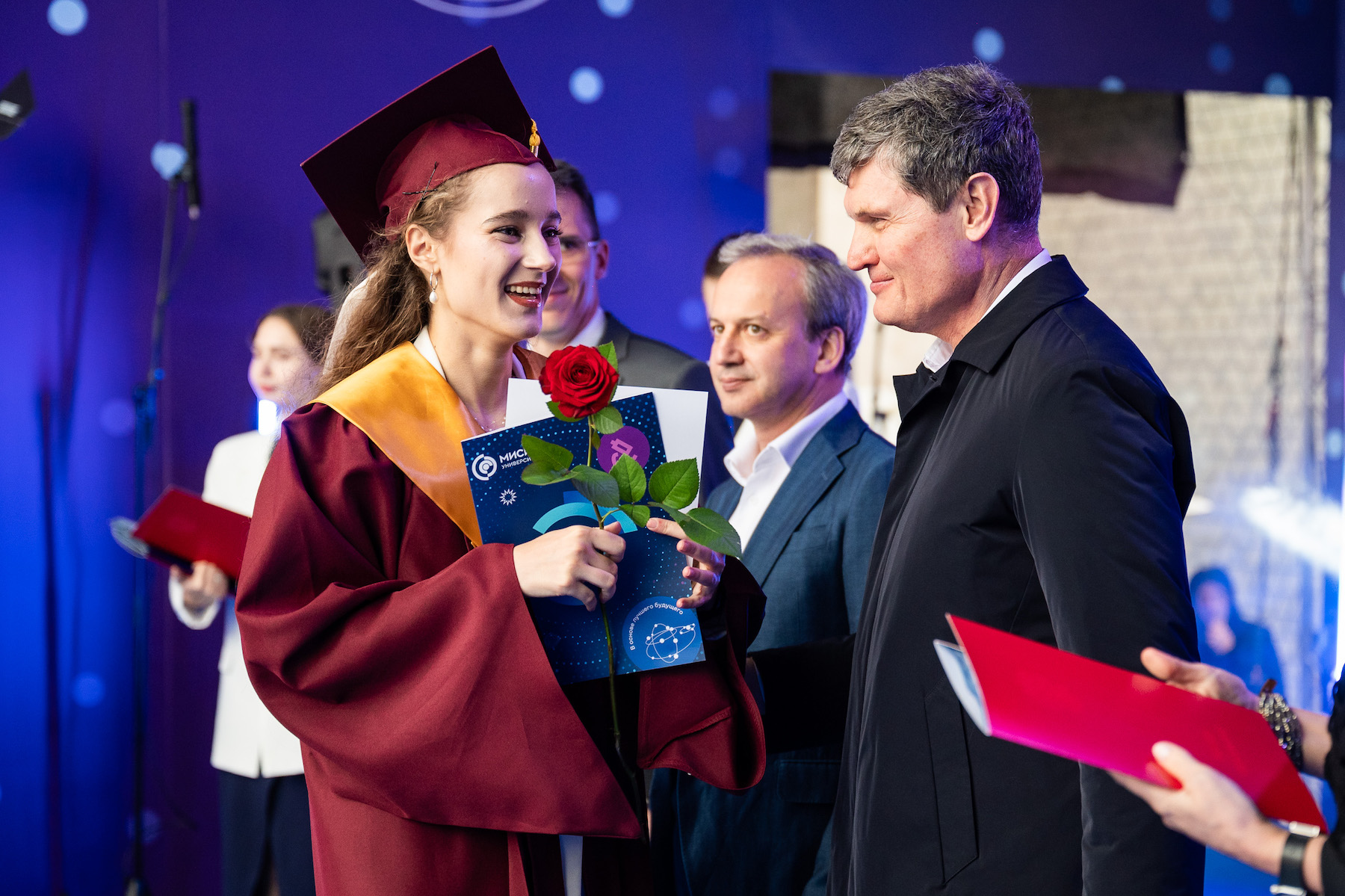
Anatoly Sedykh remains actively involved in the life of his alma mater. He serves on the Supervisory Board of MISIS University and chairs the Board of Trustees of the MISIS University Endowment Fund. In 2025, he personally presented honors diplomas to graduating students.
“The most important thing when choosing a university is to understand your calling and select an institution that aligns with what you want to do for the rest of your life. If you have a technical mindset, MISIS University is an excellent choice. In addition to outstanding knowledge, students gain specialized professional expertise here—and that expertise becomes a profession. With a profession, it is much easier to navigate life”.
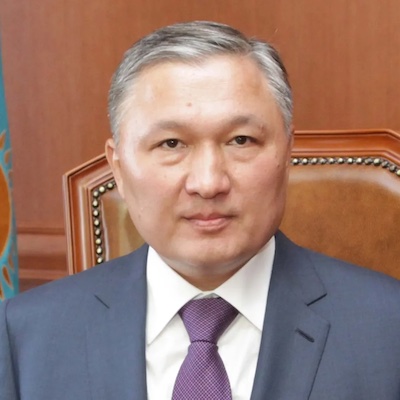
Nurmukhambet Abdibekov
Former Chairman of the Supreme Audit Chamber of Kazakhstan
Years of Study:
Spesialization: Ph.D. in Engineering; Technology and Integrated Mechanization of Open-Pit Mining of Mineral Deposits; Mining Engineer (Moscow Mining Institute)
Kazakhstani public official, politician, and businessman. He served as Vice Minister of Industry and New Technologies of Kazakhstan, Akim (Governor) of Karaganda Region, and Chairman of the Accounts Committee for Control over Execution of the Republican Budget (now the Supreme Audit Chamber of Kazakhstan). Academician of the World Academy of Mining Sciences; Academician and Vice President of the Kazakhstan National Academy of Mining Sciences.
Nurmukhambet Abdibekov (born 1961) was born in the city of Arkalyk, Kazakhstan. From 1979 to 1984, he studied at the Moscow Mining Institute (now the College of Mining of NUST MISIS).
He began his professional career in 1984 at the Chilisai phosphorite mine in Aktobe Region, where he worked as shift foreman, section head, and mine supervisor. In the 1990s, he combined practical work with scientific and managerial activities, serving as a senior research fellow at the National Academy of Sciences of Kazakhstan and later holding senior positions in commercial and regional organizations. In 1993, he defended his Ph.D. dissertation at the Moscow State Mining University entitled “Substantiation of Internal Dumping Technology in the Development of Steeply Dipping and Inclined Coal Deposits of the Kuzbass Region”.
From the late 1990s, Nurmukhambet Abdibekov worked in regional and national public administration, heading economic and industrial divisions in Aktobe and Atyrau Regions. In
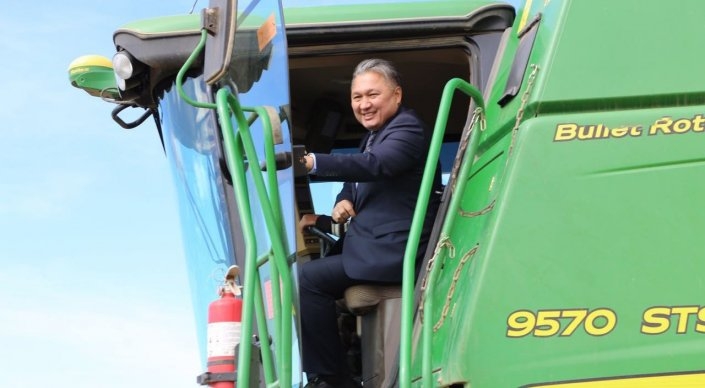
From 2011 to 2014, he served as Akim of the city of Aktobe and First Deputy Akim of Aktobe Region. From 2014 to 2017, he held the position of Akim of Karaganda Region (equivalent to governor).
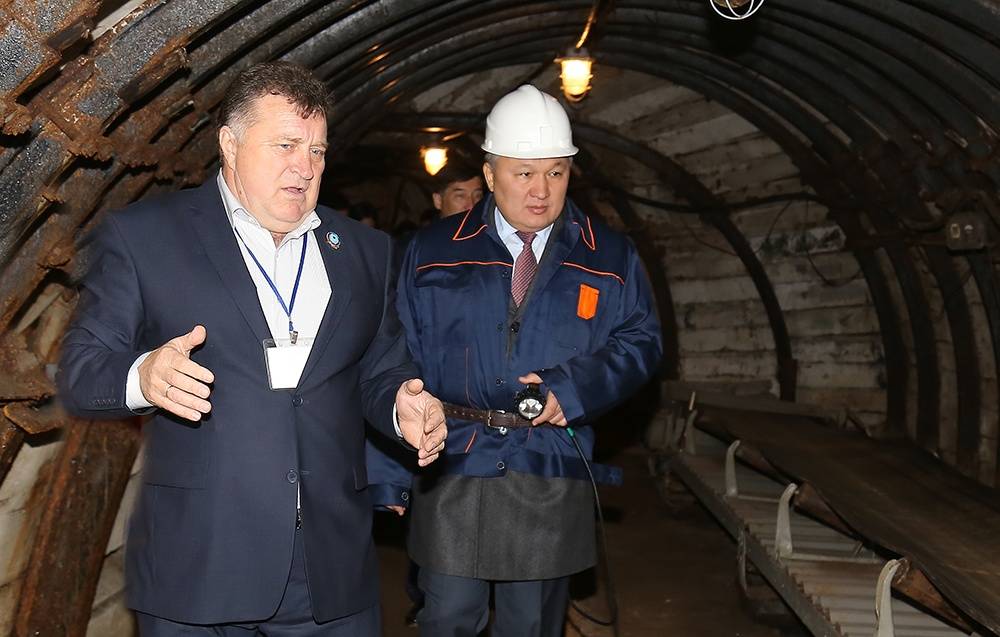
Between 2017 and 2018, Nurmukhambet Abdibekov chaired the Accounts Committee for Control over Execution of the Republican Budget of Kazakhstan (now the Supreme Audit Chamber).
From 2019 to 2025, he headed a department of the National Center for Integrated Processing of Mineral Resources of Kazakhstan. Since 2024, he has been a member of the Board of Directors of Kazakhstan Engineering, a national holding company under the Ministry of Defense of Kazakhstan that unites major defense enterprises and oversees their production and technological policy.
He is an Academician of the World Academy of Mining Sciences, as well as an Academician and Vice President of the Kazakh National Academy of Mining Sciences.
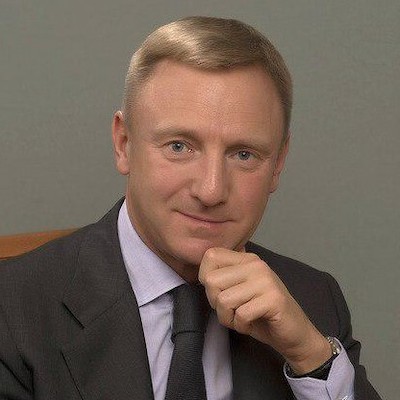
Dmitry Livanov
Former Minister of Education and Science of Russia
Years of Study:
Spesialization: Physics of Metals
One of Russia’s most experienced and influential leaders in science and higher education. Since 2021, he has served as Rector of the Moscow Institute of Physics and Technology (MIPT). Previously, he served as Minister of Education and Science of the Russian Federation
Dmitry Livanov was born on February 15, 1967, in Moscow into the family of Viktor Livanov, head of the Ilyushin Aviation Complex.
In 1991, he graduated with honors from the Physical Chemistry Faculty of the Moscow Institute of Steel and Alloys (MISiS, the university’s name until 2008) with a specialization in Physics of Metals. He studied at the Department of Theoretical Physics, headed between 1975 and 1990 by future Nobel Prize laureate Alexei Abrikosov.
From 1990 to 1992, Dmitry Livanov pursued postgraduate studies at MISIS and defended his Ph.D. dissertation on heat transport by interacting electrons in superconductors and normal metals.
“Mastering a profession is inseparably linked with building friendships that often remain with you for life. Right now, you are creating your social capital, which may become the foundation of your future success. Everything depends on your priorities and life direction. Love learning — this is the main formula for success in the 21st century”.
Dmitry Livanov began his career at his alma mater as a physicist and researcher. Between 1992 and 2000, he advanced from research fellow at the MISiS Laboratory of Synthesis to Associate Professor at the Department of Theoretical Physics. In 1997, he defended his doctoral dissertation on thermoelectric effects and heat transport in interacting electronic systems. Simultaneously, he served as Deputy Vice-Rector for Research at MISiS.
From 2000 to 2004, Dmitry Livanov was Vice-Rector for International Cooperation at MISiS while also teaching as a professor of theoretical physics. In 2003, he graduated from the Moscow State Law Academy with a degree in law.
In 2004, he joined the Ministry of Education and Science of the Russian Federation, where he led the Department of State Scientific, Technical and Innovation Policy. From late 2005 to March 2007, he served as State Secretary and Deputy Minister of Education and Science under Andrei Fursenko.
In 2007, Dmitry Livanov returned to MISiS as Rector, launching a large-scale transformation of the university. Under his leadership, the university became one of the first institutions in Russia to receive the status of National University of Science and Technology in 2008 (NUST MISIS).
“It all began when we proposed creating a world-class technological university in Russia. This was before the term ‘national university of science’ even existed. We spent nearly a year and a half preparing the project, followed by another nine months after the presidential decree while the government approved the development program. It was a period of extremely intense work”.
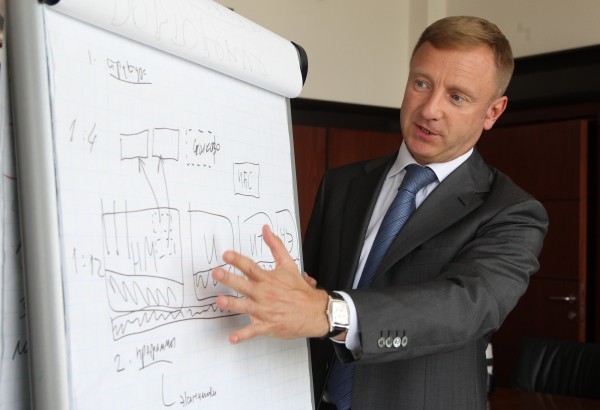
In May 2012, Dmitry Livanov succeeded Andrei Fursenko as Minister of Education and Science in Dmitry Medvedev’s government, serving until 2016.
As minister, he completed the large-scale reform of the Russian Academy of Sciences in 2013 and advocated strongly for the Unified State Exam system, making examination procedures more transparent and reducing violations. He also promoted the competitiveness of Russian universities in global rankings through the national
From 2016 to 2018, Dmitry Livanov served as Special Representative of the President of Russia for Trade and Economic Relations with Ukraine.
Since 2021, he has served as Rector of the Moscow Institute of Physics and Technology (MIPT).
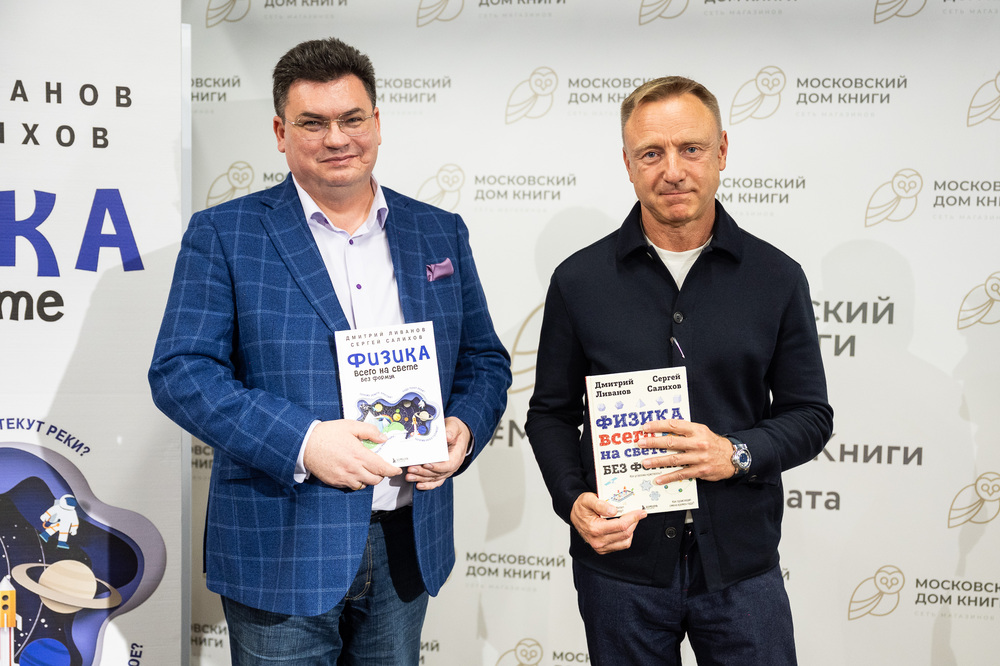
He is the author of more than 60 scientific papers, the university textbook “Physics of Metals”, and two popular science books, one of which was co-authored with Sergey Salikhov, First Vice-Rector of NUST MISIS.
Evgeny Tishchenko
Olympic Gold Medalist in Boxing
Years of Study:
Spesialization: Mining Engineering, Moscow State Mining University
Russian professional boxer, Olympic champion (2016), public figure, and Honored Master of Sports of Russia. He competed in the heavyweight and cruiserweight divisions.
Evgeny Tishchenko was born on July 15, 1991, in the village of Kanevskaya in Krasnodar Krai. He began boxing in his hometown in 2002. During his school years, he won championships of Krasnodar Krai and became a prize winner at competitions across the Southern Federal District.
In 2013, Evgeny Tishchenko graduated from Moscow State Mining University (since 2014 — the College of Mining of NUST MISIS) with a degree in Mining Engineering. He later continued his studies in the master’s program of the Faculty of Physical Education at Belgorod State University and pursued postgraduate studies at Belgorod State Technological University.
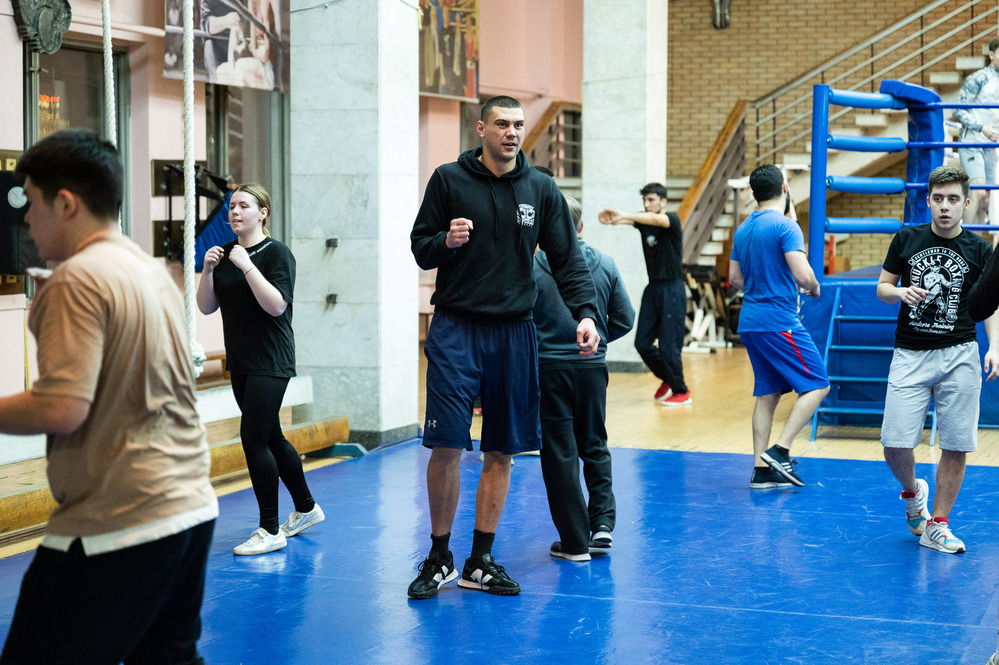
Evgeny Tishchenko advanced to a new level in boxing after moving to Moscow and living in the student dormitory of Moscow State Mining University. There he was noticed by Honored Coach of Russia Oleg Menshikov, who became the key figure in shaping him into a champion.
The university created all the conditions necessary for the future Olympic champion to successfully combine academic studies with professional sports. During this period, Evgeny Tishchenko trained under the guidance of coaches from the university boxing department, including Honored Coaches Oleg Menshikov, Zofer Khusyainov, and Ashot Garakyan. Their combined efforts played a major role in his development as an athlete.
The decisive contribution to his career came from Oleg Menshikov — head coach of the Torpedo boxing club and coach at the MISIS Sports Training Center — who served as Tishchenko’s primary coach for ten years beginning in 2008.
“MISIS University has always been famous for its boxing school and the athletes it trains. At the Rio Olympics, the Russian national team included three boxers from MISIS University — Andrey Zamkovoy, who later became an Olympic bronze medalist in Tokyo, Adlan Abdurashidov, and myself”.
Since 2011, Evgeny Tishchenko competed in the under-91 kg weight category. He secured a place on the Russian national boxing team in 2012 after winning the Russian National Championship against all major competitors. He repeated this success in 2014.
In August 2015, he became European Champion, and in October of the same year won the World Championship.
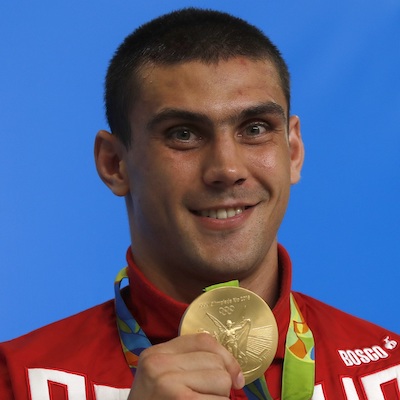
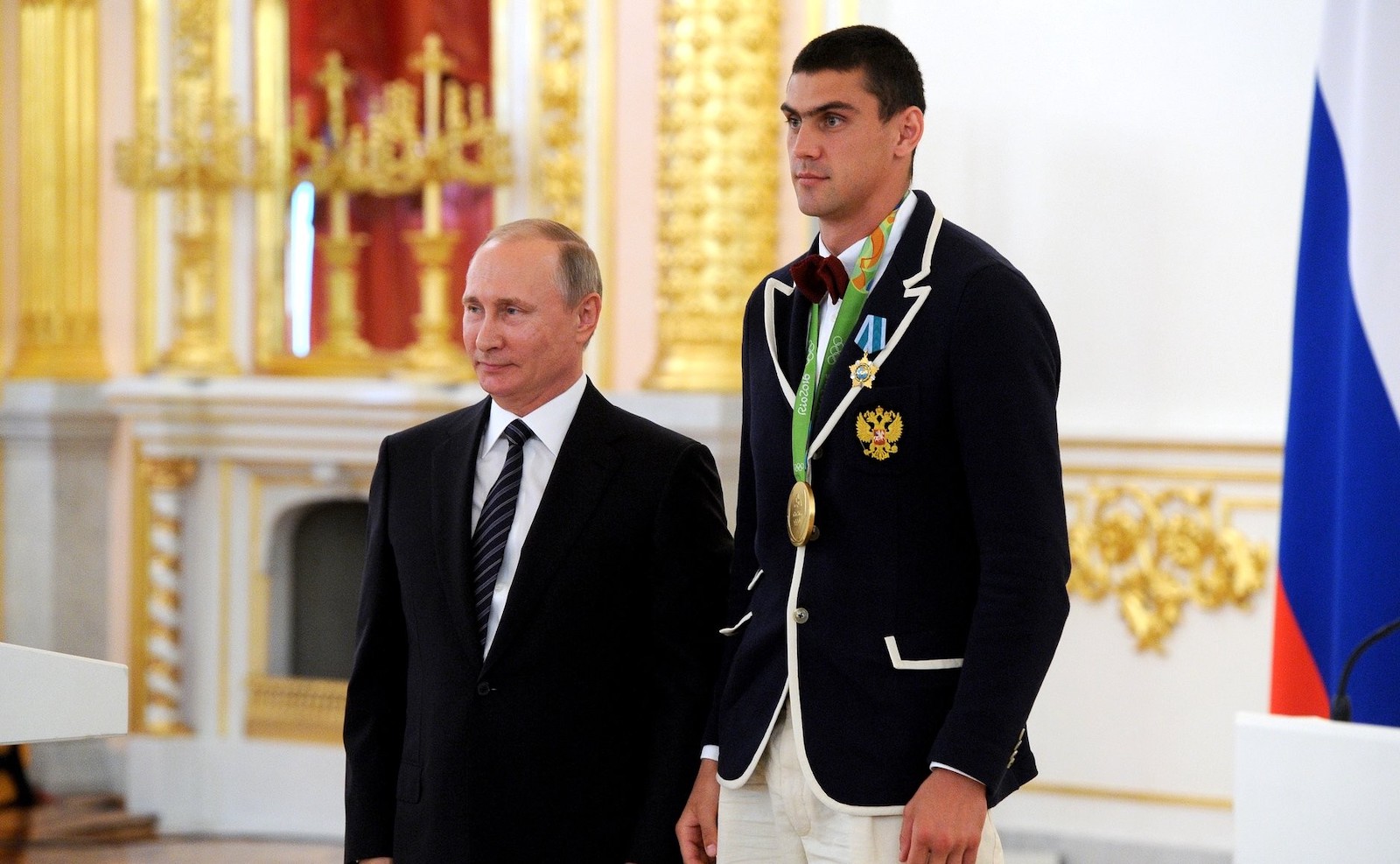
On August 16, 2016, Evgeny Tishchenko won the gold medal at the XXXI Summer Olympic Games in Rio de Janeiro, defeating Kazakhstan’s Vasiliy Levit in the final bout.
In 2017, he won another European title and earned a silver medal at the World Championships before ending his amateur career.
In August 2018, Evgeny Tishchenko made his professional debut by knocking out Venezuelan boxer Williams Ocando. His professional record stands at 13 victories (8 by knockout) and 1 defeat. Until 2023, he competed in the cruiserweight division.
He received the title Honored Master of Sports of Russia in 2014 and was awarded the Order of Friendship in 2016, as well as an Honorary Certificate from the President of the Russian Federation in 2013.
In 2025, Evgeny Tishchenko announced plans to retire from professional boxing and focus on public and social activities. He serves as an ambassador of the nationwide public movement “Healthy Fatherland,” actively promoting mass sports and conducting open training sessions.
Yuri Kara
Russian Film Director
Years of Study:
Spesialization: Physics of Metals
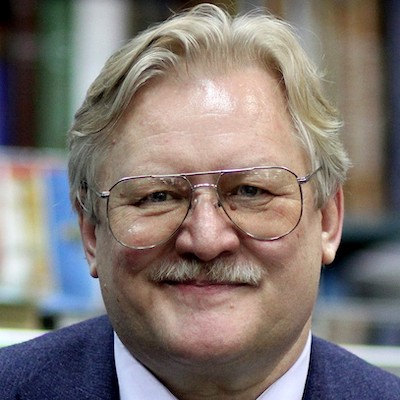
Famous Russian film director, screenwriter, and producer, recognized as an Honored Artist of the Russian Federation.
Yuri Kara was born on November 12, 1954, in the city of Stalino in the Ukrainian SSR (renamed Donetsk in 1961). While attending a specialized physics and mathematics school, he demonstrated strong aptitude for exact sciences and became a winner of regional academic competitions in physics and mathematics.
In 1972, he entered the Moscow Institute of Steel and Alloys (MISiS, the university’s name until 2008), enrolling in the Physical Chemistry Department with a specialization in Physics of Metals. He graduated in 1978.
According to Yuri Kara, he left the institute not only as a physicist but also as a creative personality, having gained significant exposure to the arts. During his student years, he actively participated in amateur performances and led the university vocal and instrumental ensemble.
“MISiS helped me choose my profession. When I studied there, famous actors, performers, and directors often visited the university. As a student, I was passionate about theater and attended every production at the Taganka Theatre. A director must also know how to systematize information, and technical education is extremely helpful in this regard. An education from MISiS can therefore be useful in many different professions”.
After graduating from MISiS, Kara was assigned to work at a research institute in Donetsk, where he prepared a Ph.D. dissertation. However, due to difficulties with implementing his research and defending the completed dissertation, he decided to radically change his career path.
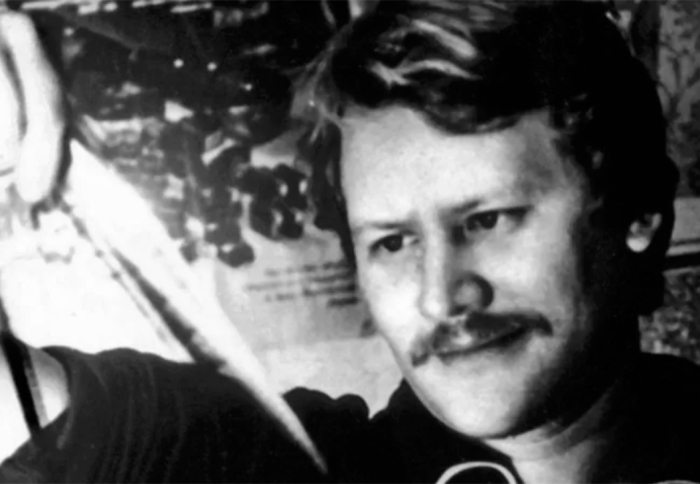
In 1982, he entered the directing faculty of VGIK (The S.A. Gerasimov All-Russian State University of Cinematography), studying under renowned Soviet artists Sergey Gerasimov and Tamara Makarova. His graduation film became an adaptation of Boris Vasilyev’s novella “Tomorrow Was the War”, which received international acclaim. Yuri Kara was awarded the Alexander Dovzhenko Gold Medal for Best Patriotic Film, while the movie won top prizes at international film festivals in Germany, Spain, Poland, and France.
Later, Kara twice adapted works by writer Fazil Iskander, directing the dramas “Thieves in Law” (1988) and “Feasts of Belshazzar, or the Night with Stalin” (1989).
He devoted many years to adapting Mikhail Bulgakov’s novel “The Master and Margarita”, his favorite literary work. Filming was completed in 1994, but due to disputes with producers, the movie was not released until 2011. It is regarded as the first large-scale Russian adaptation of the cult novel and an important cinematic document of the Russian film industry of the 1990s.

In total, Yuri Kara directed ten feature films.
He was a member of the Union of Cinematographers of Russia and of the Board of the Russian Guild of Film Directors. He also taught filmmaking and led a directing workshop at the Higher Courses of Cinema and Television at VGIK.
For his contribution to cinema and culture, Yuri Kara was awarded the title Honored Artist of Russia in 2005. In 2015, he received the Medal of the Order “For Merit to the Fatherland”, Second Class, and in 2022 was awarded the Order “For Merit in Culture and Art”.
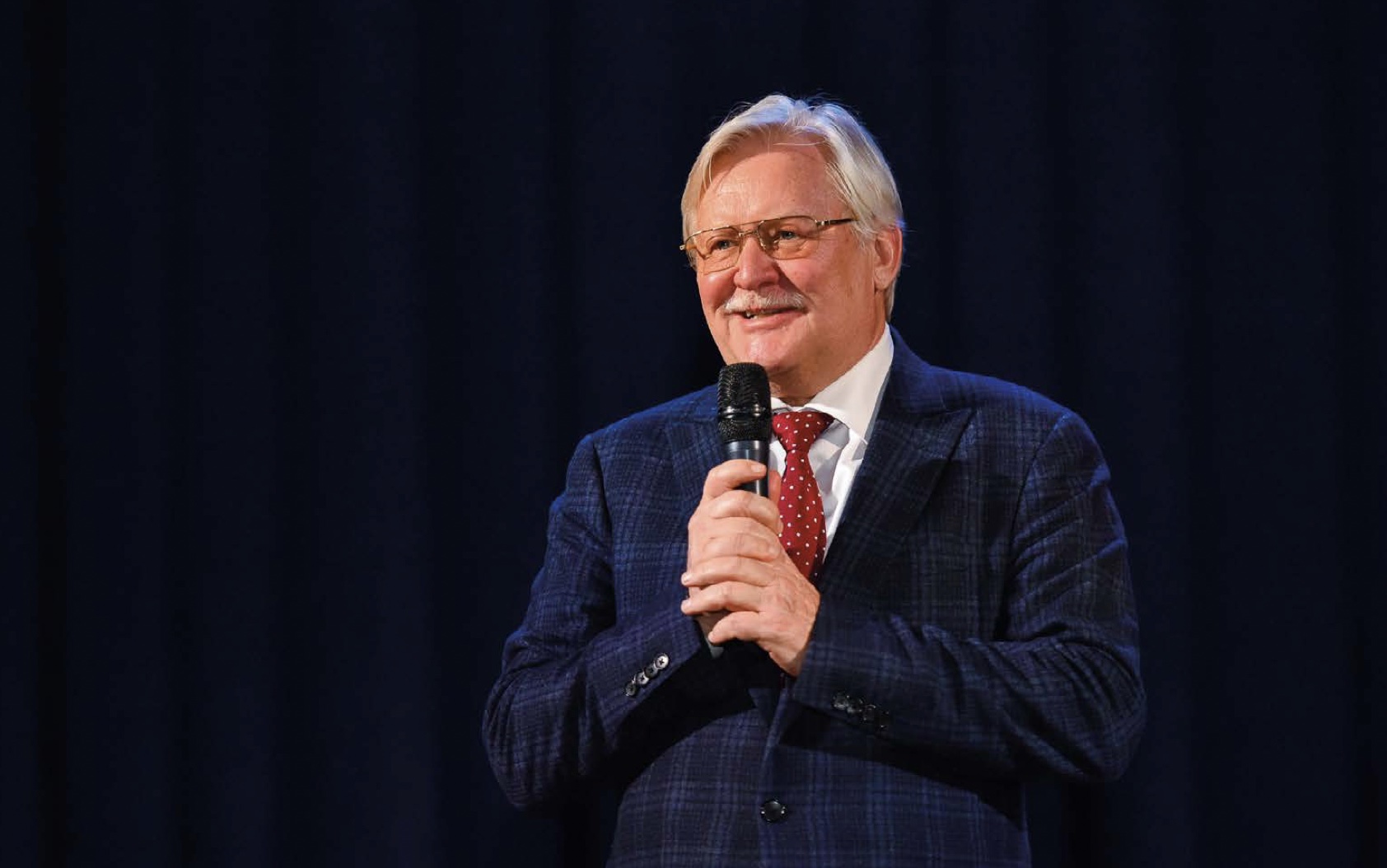
For many years, Yuri Kara maintained close ties to his alma mater, organizing film screenings and creative meetings with students.
“I sincerely enjoy watching the university develop and transform, even visually. I am proud to see its success and progress in global rankings. I truly admire today’s students whom I meet at performances and concerts. I can see that traditions continue. Modern MISIS University does a great deal to give students opportunities to gain knowledge beyond their main field — through lectures, theater performances, and training programs. This is extremely important because it helps students understand life in all its fullness”.
In his later years, Yuri Kara’s health significantly deteriorated. On July 16, 2025, he passed away at the age of 70 following a heart attack in a hospital in Yalta.