A formal ceremony marking the start of studies for Chinese students enrolled in the joint Master’s program in Materials Science and Technology offered by NUST MISIS and the University of Electronic Science and Technology of China (UESTC) took place at UESTC in Chengdu.
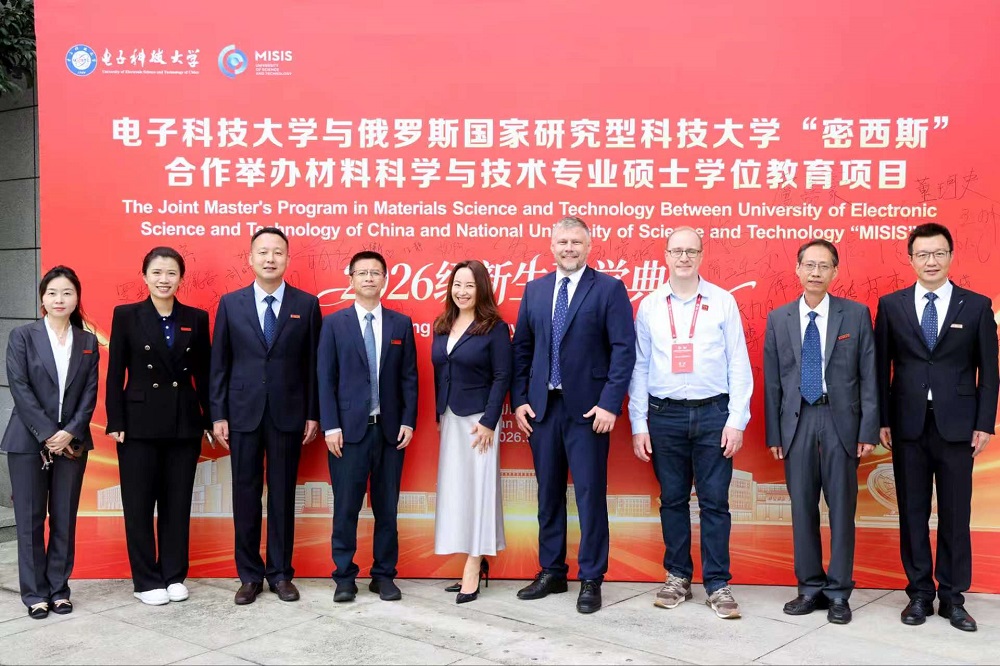
Alevtina Chernikova, Rector of NUST MISIS, said: “The launch of the Master’s program jointly delivered by NUST MISIS and the University of Electronic Science and Technology of China took place as part of the Cross Years of Education between the two countries, announced by Russian President Vladimir Putin and Chinese President Xi Jinping for 2026 and 2027. The program will train engineers and researchers capable of addressing complex challenges in modern materials science. Graduates will receive a degree from one of Russia’s leading technological universities, whose diploma is recognized as a mark of quality in many countries around the world.”
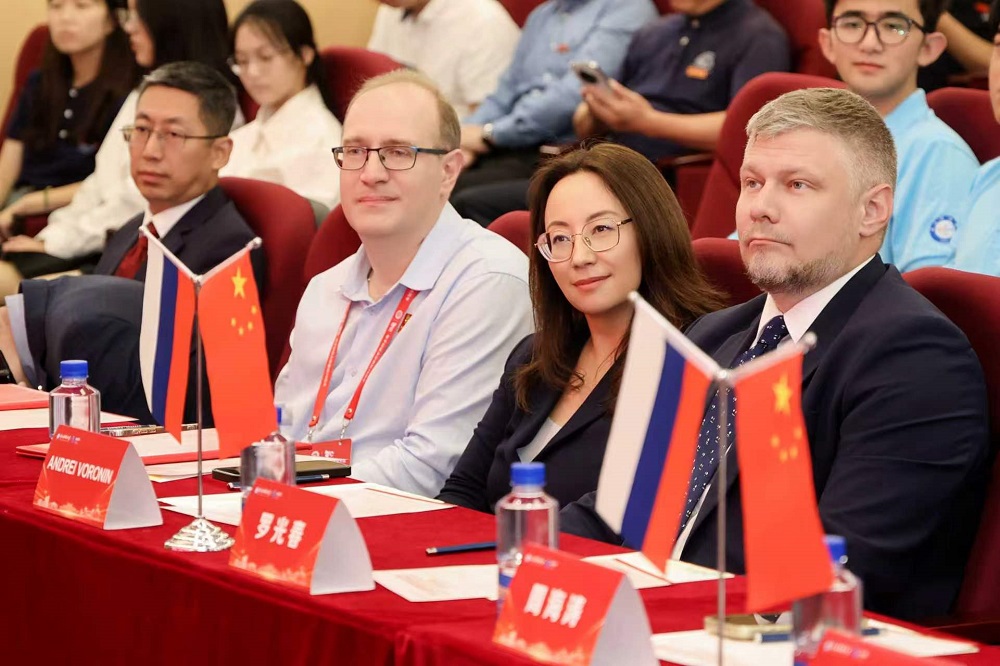
The NUST MISIS delegation at the ceremony was led by Andrey Voronin, Vice-Rector for Academic Affairs. He noted that cooperation with the Chinese university supports NUST MISIS’s objectives under the Priority 2030 program, which include promoting international academic mobility for students and academic staff to enhance professional qualifications, exchange expertise, and adopt best practices in education and research.
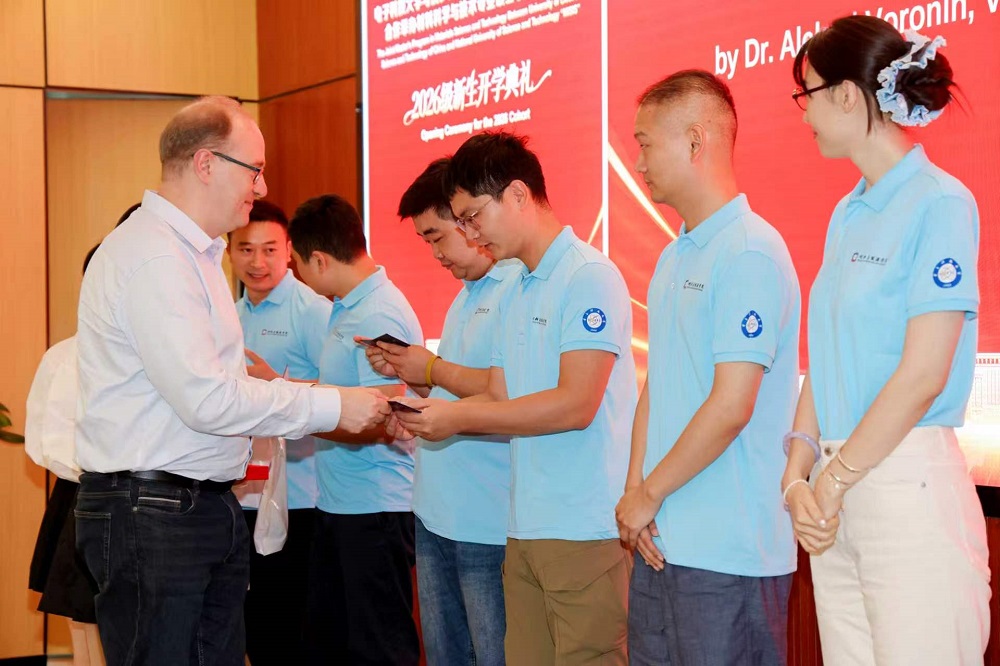
Olga Kim, Advisor to the Rector’s Office for International Affairs, addressed the students with welcoming remarks. Alexey Solonin, Head of the Department of Non-Ferrous Metals Science, presented NUST MISIS student ID cards to the 37 students in the program’s first cohort.
Representing UESTC, Vice-Rector Luo Guangchun, Niu Xiaobin, Dean of the School of Materials and Energy, and Chen Junsong, a member of the university’s academic staff, welcomed the participants. Deng Jing spoke on behalf of the program’s first cohort.
Following the ceremony, representatives of NUST MISIS and UESTC held a working meeting to discuss the further implementation of the joint program. The parties discussed the organization of the educational process, preparation of the class schedule for the spring semester of 2027, requirements for Master’s theses, and admissions arrangements for the next cohort in 2027.