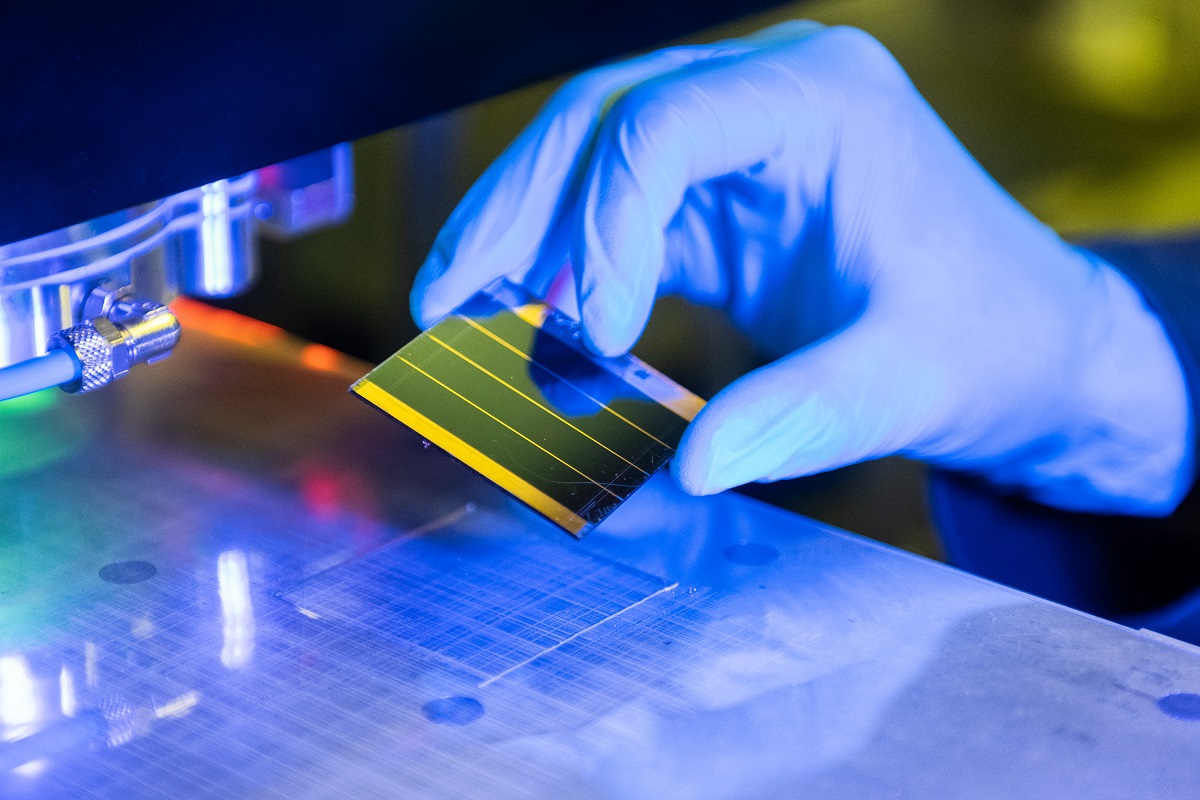
Russian scientists have improved the heat resistance of perovskite solar cells by incorporating special organic molecules (TPA-Py) into the material to stabilize its structure. As a result, the devices’ effective operating time at high temperatures of 80°C increased from 260 to more than 700 hours. This marks an important step toward the development of affordable and durable next-generation solar panels.
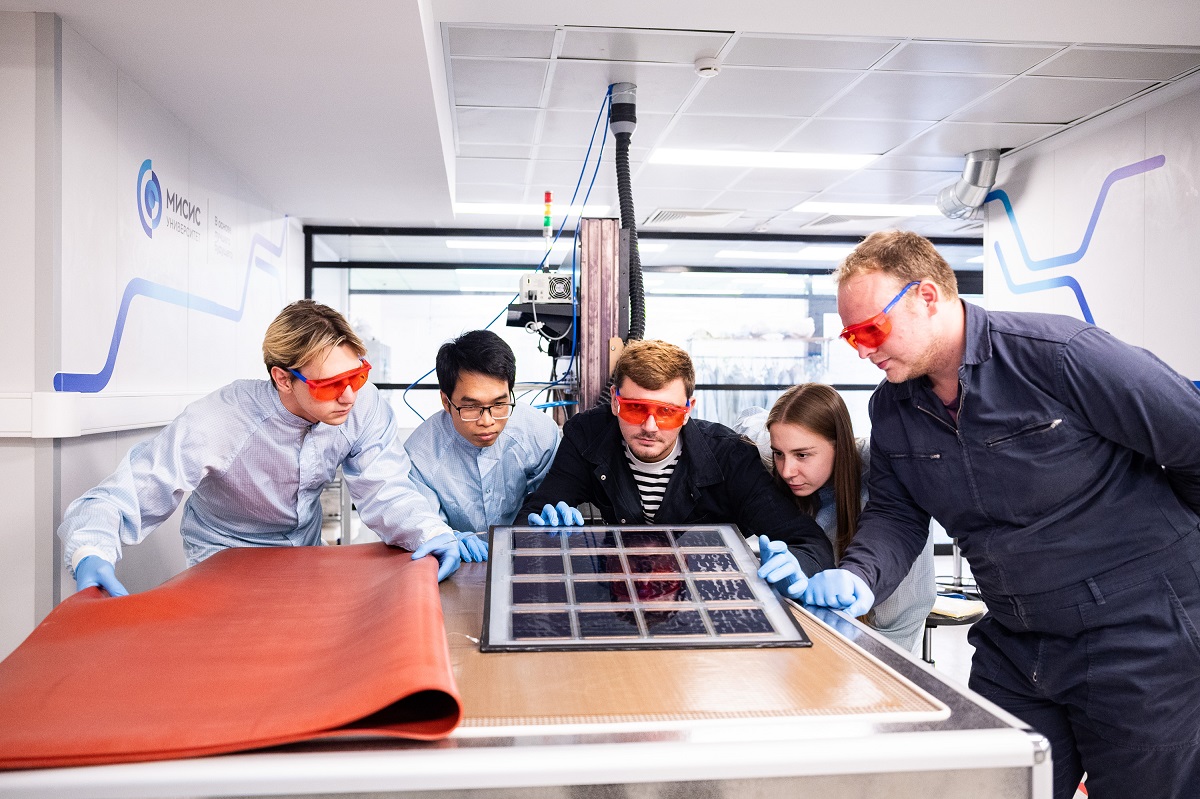
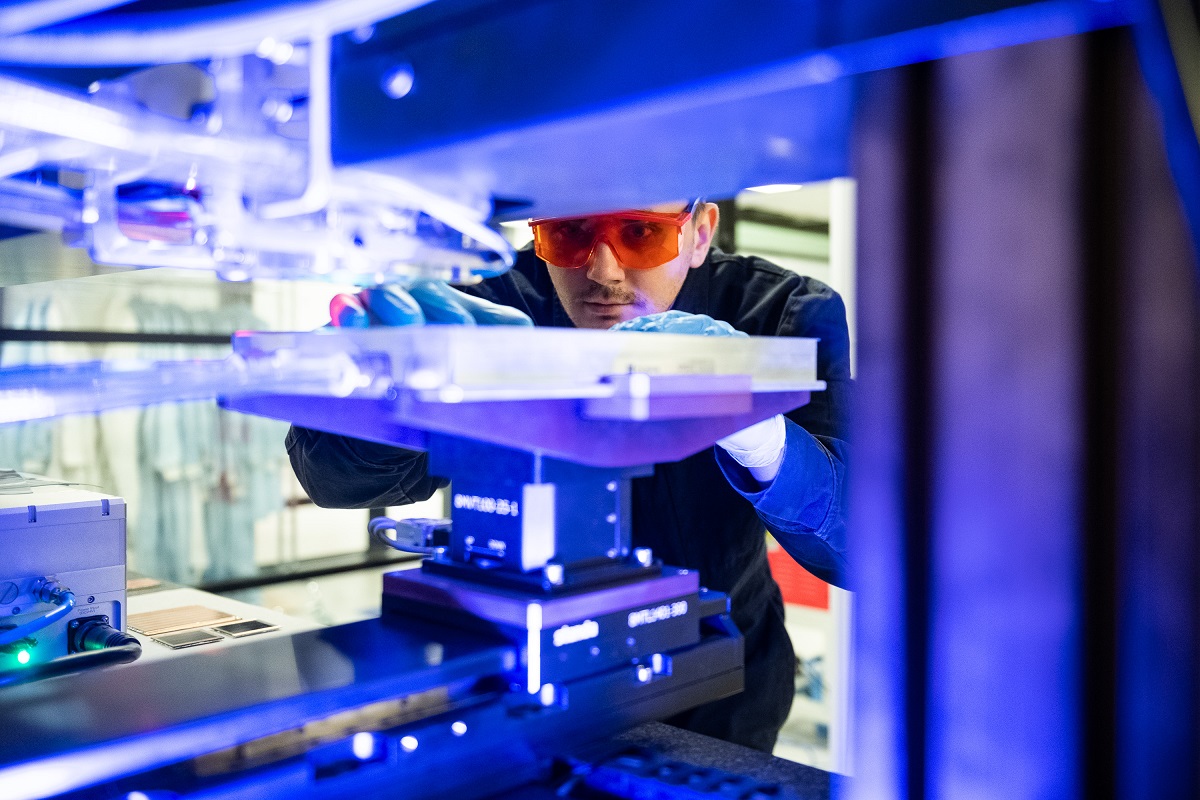
“At the University of MISIS, the strategic technological project Materials Energy is being carried out under the Priority 2030 national program. A research team led by the talented young Doctor of Engineering Danila Saranin is developing technologies and materials for alternative energy, focusing on extending the service life and improving the efficiency of next-generation solar cells. The researchers enhanced the thermal stability of perovskites by introducing triphenylamine-pyridine molecules into the material structure, which nearly tripled the devices’ effective operating lifetime. The proposed method could become one of the key approaches for the future large-scale production of solar panels,” MISIS University Rector Alevtina Chernikova.
Today, perovskite solar cells significantly outperform silicon-based counterparts in cloudy conditions and under artificial lighting. However, the widespread adoption of these panels remains limited because the thin films rapidly degrade when exposed to adverse environmental factors.
One of the key challenges facing materials scientists is extending the operational lifetime of perovskite modules at high temperatures, which greatly accelerate corrosion of metal contacts and the formation of structural defects. Existing stabilization methods, such as surface passivation, often work only under mild, near-room-temperature conditions and prove insufficient at the standard operating temperatures of solar panels — 80—100°C.
To address this issue, researchers from MISIS University, together with colleagues from the Russian Academy of Sciences’ Institute of Synthetic Polymeric Materials, proposed an effective way to protect perovskite modules from heat-induced degradation. The team introduced special organic molecules into the material that form thin films directly within the perovskite structure. These molecules stabilize the material from within, protect the interfaces between the device layers, and slow down defect formation.
“The triphenylamine-pyridine molecules we introduced are designed so that one part donates electrons while the other attracts them. This allows them to interact efficiently with the perovskite and create localized electric fields inside the material, altering the energy levels at crystal grain boundaries. This reduces energy losses and increases the open-circuit voltage to 1.14 V. The molecules also increase the activation energy required for the diffusion of critical defects, which extended the solar cell’s effective operating lifetime by more than three times at 80°C,” Ekaterina Ilyicheva, engineer at the Advanced Solar Energy Laboratory of MISIS University.
The new molecules block ion migration within the material — one of the main causes of perovskite degradation over time. Thanks to this, the stable operating lifetime at 80°C increased nearly threefold. Full details of the study are available in the journal Solar RRL (Q1).
“Thermal degradation has remained the main barrier to the commercialization of perovskite solar cells. Our bulk passivation strategy using the TPA-Py molecule not only preserves high efficiency but also dramatically improves device stability under real operating conditions,” Lev Luchnikov, research engineer at the Advanced Solar Energy Laboratory of MISIS University.
The work was carried out as part of the MISIS University strategic technological project Materials Energy under the Priority 2030 program and was also supported by Russian Science Foundation grant No. 22-19-00812-P.