Scientists have proposed a new method for creating metal molds for powder metallurgy applications—without welding or expensive 3D printing. The development opens up new possibilities for producing parts with complex geometries. The approach based on cold spray deposition may find applications in the aerospace industry, energy sector, and mechanical engineering.
Many complex metal components are produced from powders. For this purpose, hot isostatic pressing technology is used: powder is placed into a sealed metal shell—a mold—which is then compressed and heated under high pressure. As a result, the particles are sintered, forming a dense material.
“The mold is a key element of this process. It must be strong, airtight, ductile at high temperatures, and at the same time easily removable after processing. Typically, such shells are made from metal blanks welded together. However, this method is not suitable for complex shapes. An alternative can be 3D printing, but it is expensive and limited by equipment size,” said Andrey Travyanov, Director of the College of Technologies at NUST MISIS.
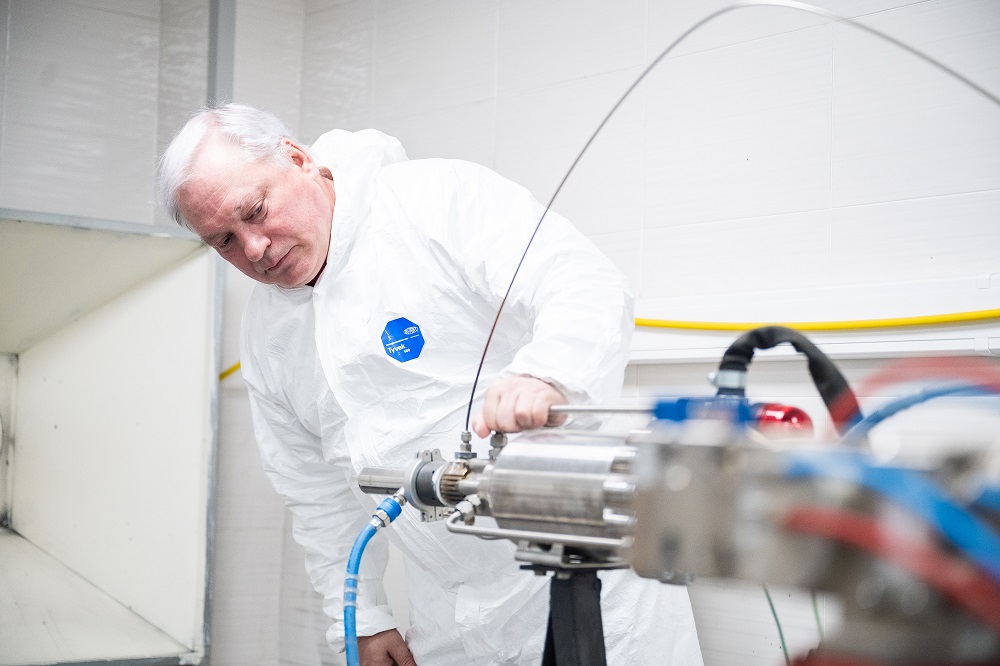
Scientists from NUST MISIS and the University of Lyon proposed a different approach—using cold spray deposition. This is a technology in which metal powder is deposited at high velocity onto a surface, forming a dense coating. This method makes it possible to create thick metal layers without significant internal stresses.
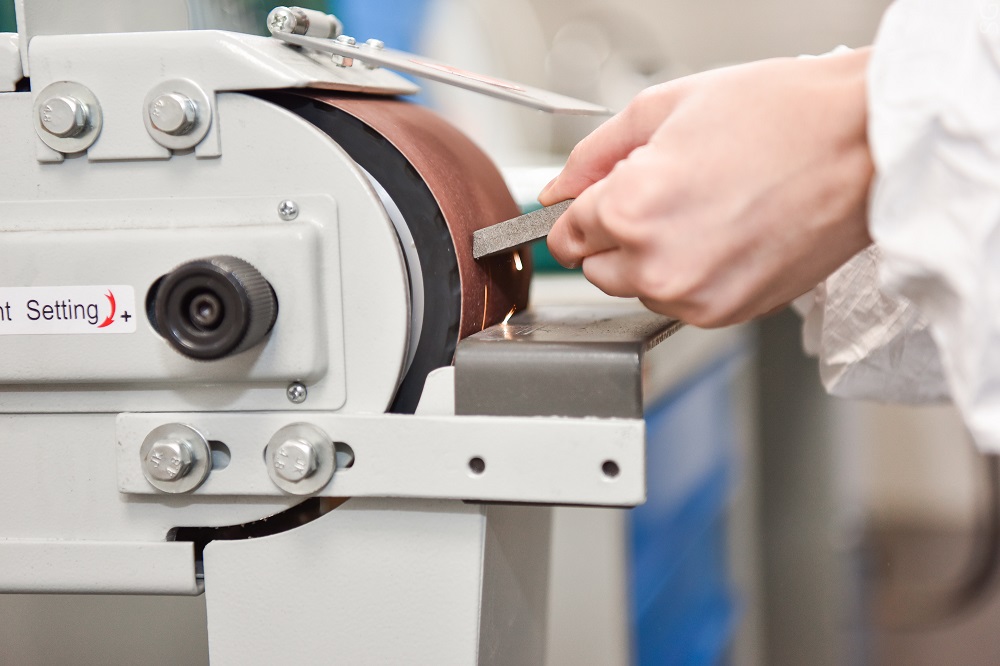
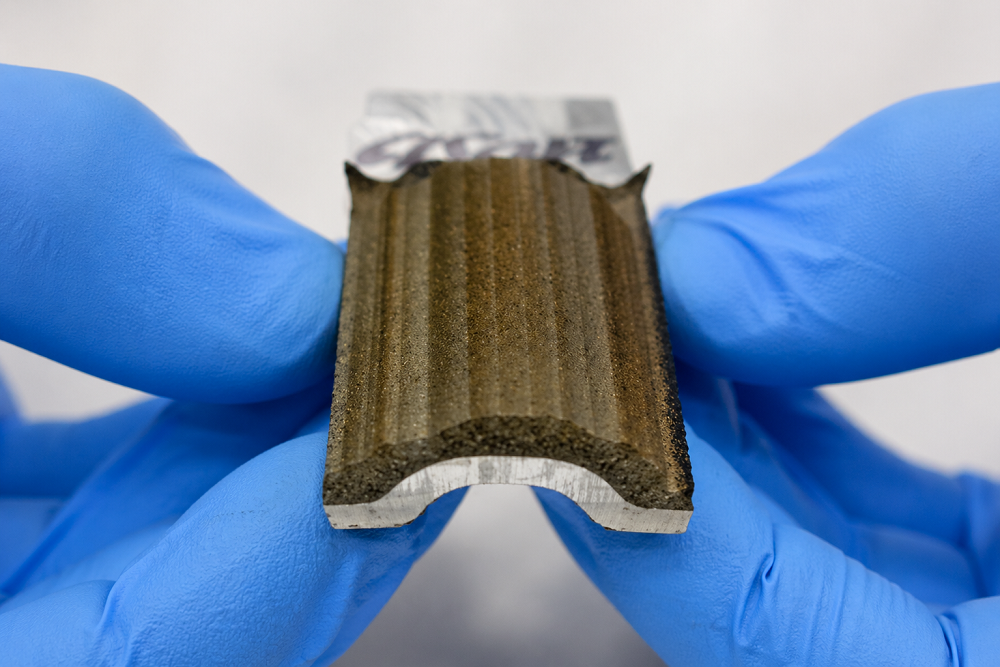
First, a model of the future part is created, for example from aluminum. Then a steel layer is applied onto it using cold spray deposition. After that, the aluminum base is removed, leaving a metal shell of the required shape. To strengthen the temporary coating, the scientists carried out heat treatment. As a result, the material properties improved significantly: strength increased by about 4 times, while ductility rose from 1% to 20%.
Afterwards, the researchers assembled a full capsule, filled it with nickel alloy powder, and performed pressing. The shell withstood the entire process: no cracks formed, and the joints remained strong. Details of the study were published in Journal of Thermal Spray Technology (Q2).
“We demonstrated the possibility of creating complex-shaped shells without welding and expensive printing. In the future, the technology may be applied not only to powders but also in additive manufacturing. For example, it may be used to densify parts produced by cold spray deposition, opening new opportunities for creating strong metallic components of complex shape,” said PhD (Tech.) Maxim Khomutov, Senior Researcher at the Laboratory of Hybrid Additive Technologies, NUST MISIS.