Researchers at MISIS University have patented an aluminum alloy for electronics and electric vehicles. By precisely tuning its composition and heat-treatment parameters, the material can achieve an optimal combination of properties.
“Our team at MISIS University, a national leader in materials science, has developed and patented an innovative aluminum-based alloy that combines strength, ductility, thermal conductivity, and corrosion resistance. By varying the ratio of alloying additions (scandium and zirconium) we can design materials with properties tailored to specific applications,” said NUST MISIS Rector Alevtina Chernikova.
Modern electronics and electric vehicles require lightweight materials capable of efficiently dissipating heat. Emerging trends in automotive manufacturing involve producing a single large, complex-shaped casting instead of assembling numerous smaller components, significantly accelerating production. This technology has already been successfully adopted by Tesla, which manufactures aluminum parts weighing up to 150 kg using Giga Press machines. However, conventional casting alloys are unsuitable for such applications because they do not provide sufficient thermal conductivity.
The researchers based their work on an aluminum alloy containing zinc and calcium. Previous studies had demonstrated its high thermal conductivity, corrosion resistance, and suitability for casting technologies. The alloy enables the production of complex-shaped components in large volumes, but its relatively low strength limited its range of applications.
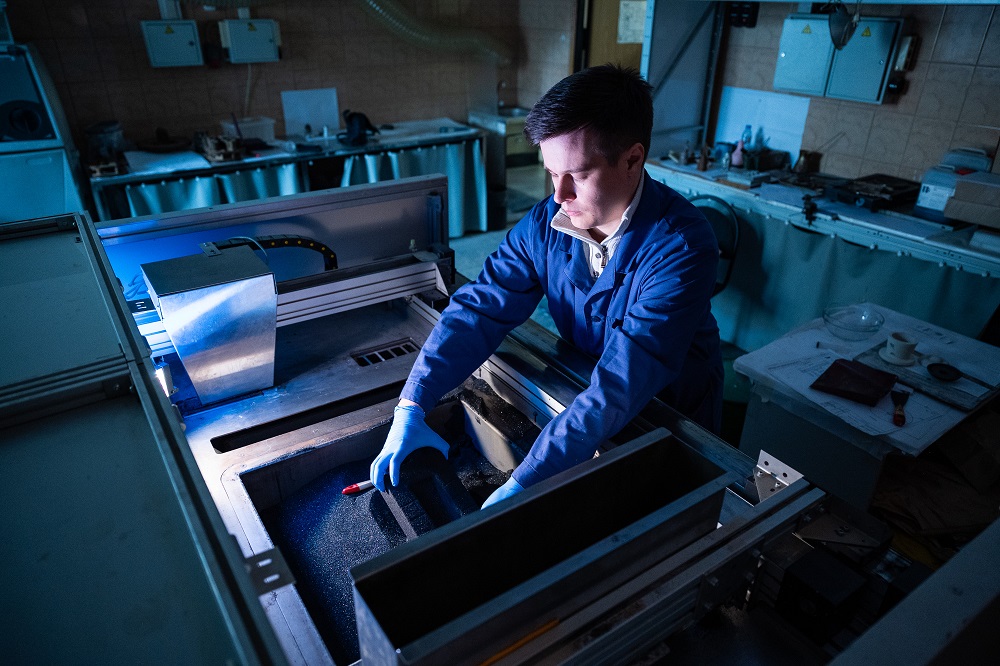
“To address this issue, we added small amounts of scandium and zirconium, elements capable of increasing strength without reducing thermal conductivity. During the study, we varied their ratio and investigated how this affected the material’s properties,” said Anastasia Lyskovich, a postgraduate researcher at the Department of Foundry Technologies and Artistic Processing of Materials at MISIS.
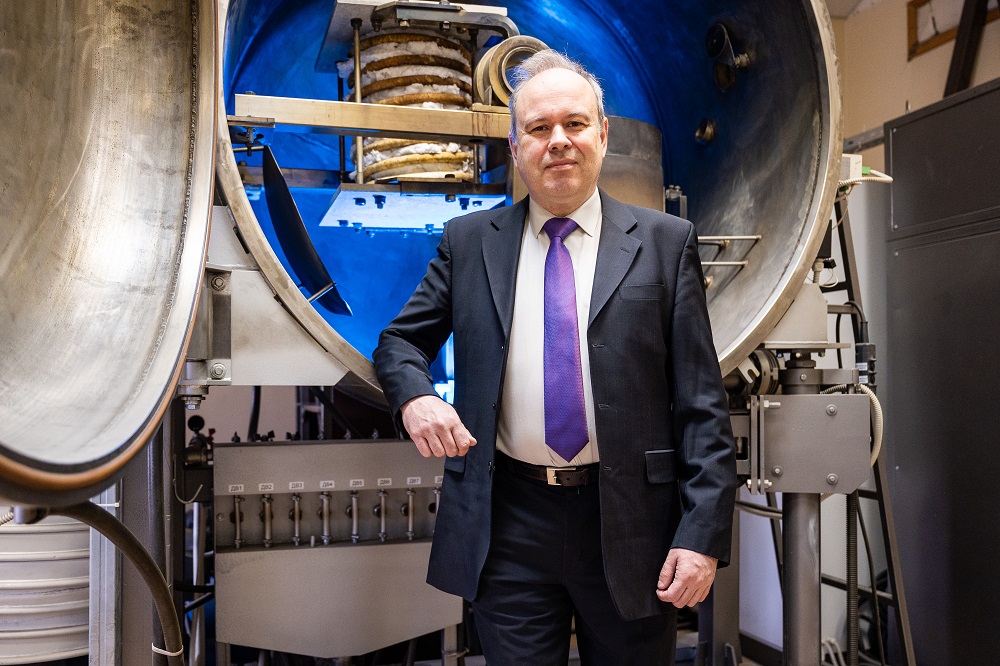
“The challenge in developing a material that is both suitable for casting and highly thermally conductive lies in the fact that most casting alloys contain large amounts of alloying elements that reduce heat conductivity. In our alloy, calcium and zinc provide the necessary casting properties while having minimal impact on aluminum’s ability to dissipate heat. The high mechanical performance is achieved through scandium and zirconium, which are added in very small quantities and effectively strengthen the alloy during heat treatment,” explained Andrey Koltygin, Head of the Department of Foundry Technologies and Artistic Processing of Materials and Director of the Engineering Center for Foundry Technologies and Materials at MISIS.
The study showed that increasing the zirconium content slightly reduces strength and thermal conductivity but improves ductility, significantly enhances corrosion resistance, and lowers the material’s cost.
The findings open new opportunities for developing advanced aluminum alloys for electronics, energy systems, and transportation applications, where complex-shaped components must simultaneously provide efficient heat dissipation and withstand mechanical loads.
The research results were published in the journals Materials (Q2) and Transactions of Nonferrous Metals Society of China (Q1). The study was supported by the Russian Science Foundation (Project No.