Top.Mail.Ru

News

Eight NUST MISIS Research Projects Win UMNIK-2026 Competition

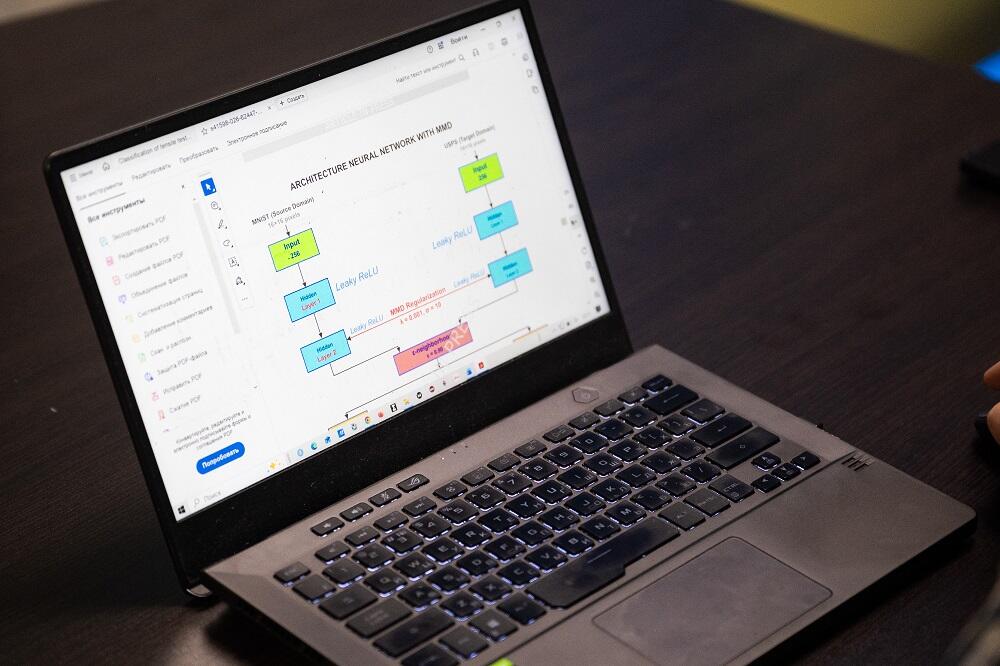
Eight students and PhD candidates from NUST MISIS have become winners of the first round of the UMNIK-2026 competition organized by the Foundation for Assistance to Small Innovative Enterprises (FASIE). The participants’ projects cover medicine, advanced materials, additive manufacturing, energy, and intelligent systems. Each winner will receive a 500,000-ruble grant.

NUST MISIS and IIIT Dharwad Hold Joint UX/UI Design Competition

In the first joint competition between the two universities, students presented nine UX/UI design projects. An international jury awarded first and third place to MISIS University, while second place went to the Indian Institute of Information Technology Dharwad (IIIT Dharwad).

New hydrogel for wound healing stimulates cell regeneration and promotes tissue repair

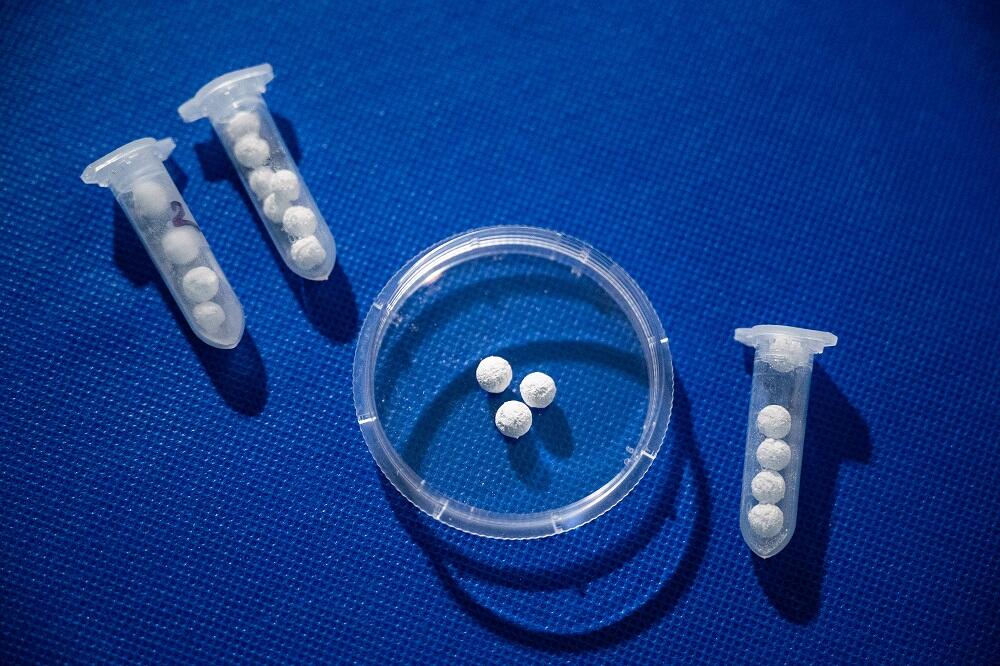
Researchers at NUST MISIS have developed a biocompatible hydrogel for wound healing that helps cells cope with oxidative stress, one of the major factors contributing to delayed tissue repair. The polymeric material provides controlled release of an antioxidant agent, reduces the level of cell-damaging reactive oxygen species, and promotes a favorable environment for skin regeneration.

Scientists develop next-generation dual-band infrared sensor

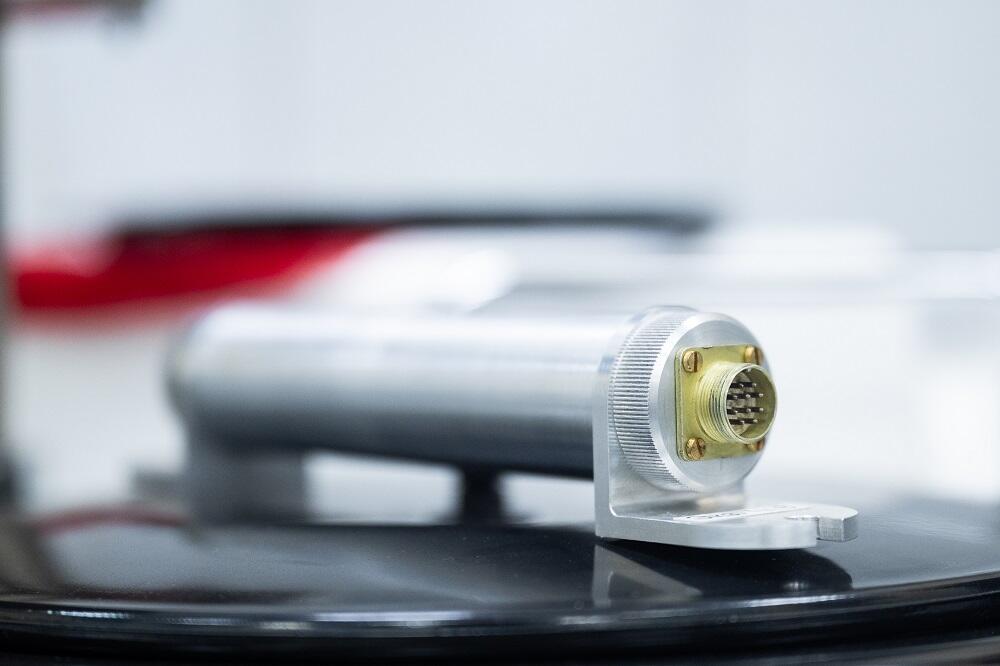
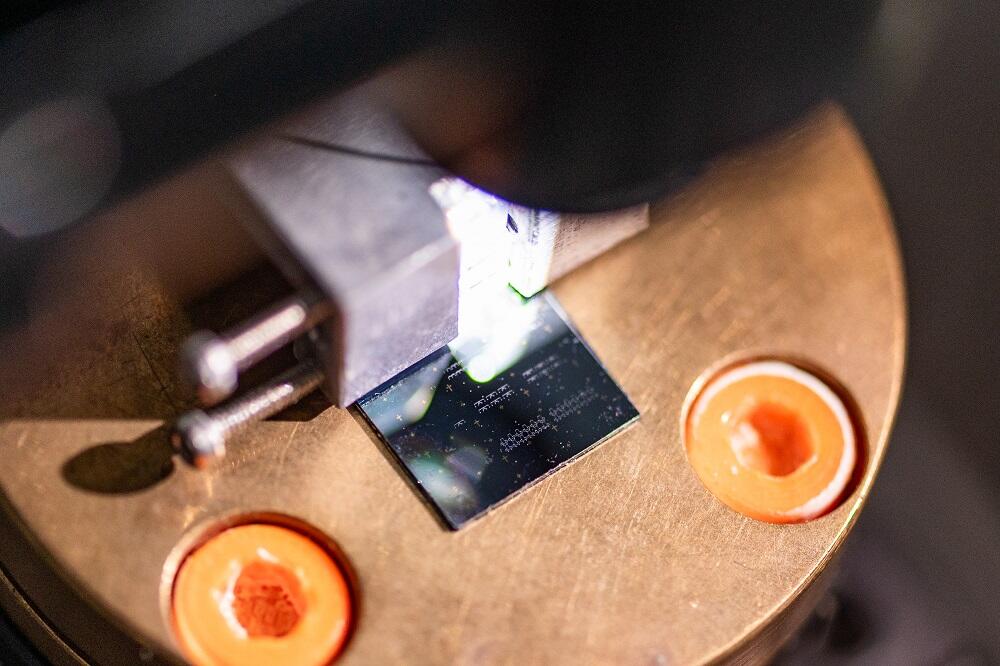
An international team of scientists, including leading Russian researchers from NUST MISIS, Moscow State Pedagogical University, the Russian Quantum Center, and HSE University’s MIEM, has developed an infrared detector capable of sensing radiation simultaneously in two different ways: as a conventional photodetector and as a thermal sensor. This approach opens up opportunities for creating highly efficient next-generation devices that can analyze objects at different temperatures, provide better vision through optical interference, and distinguish materials and objects more accurately based on their thermal signatures.

Ear with polymer ribs: scientists find a way to prevent implant deformation

Russian scientists have for the first time recreated the natural biomechanics of the ear in an implant produced using a 3D bioprinter. The bioprosthesis not only replicates the external shape of the auditory organ but also mimics natural tissues through its composition. The researchers successfully combined a polymer framework with a soft hydrogel containing living cells — something that had previously been impossible due to the limitations of 3D bioprinting. In vivo tests confirmed that the implant develops a vascular network and successfully integrates into the body.

Membrane developed at NUST MISIS for drug testing on an intestinal model

Researchers at the Institute of Biomedical Engineering at NUST MISIS have developed a prototype porous polymer membrane with a microrelief that mimics the folded surface of the intestine. Based on this membrane, they created an intestinal barrier model whose permeability is 100 times closer to that of human small-intestinal tissue than that of a standard laboratory model. The technology could ultimately improve the accuracy of preclinical drug testing.

Scientists develop polymer nanoparticles that deceive cancer cells

Researchers from NUST MISIS and N.M. Emanuel Institute of Biochemical Physics of the Russian Academy of Sciences have developed a prototype drug delivery system based on polymer nanoparticles loaded with an anticancer drug and coated with a membrane that mimics tumor cells. The biomimetic coating enables the drug to accumulate directly at the tumor site while minimizing damage to healthy tissues. The technology could pave the way for safer and more effective cancer treatments.

Targeted stimulation: Russian scientists propose a new method for studying brain cells

Researchers from NUST MISIS and Lomonosov Moscow State University have developed a method that makes it possible to mechanically stimulate specific regions of living brain cells and observe, in real time, how their properties change. The study revealed that neurons and supporting cells of the nervous system respond differently even to extremely weak mechanical stimuli.

Qubit Courier: Scientists Solve the Key Scalability Challenge for Neutral-Atom Quantum Processors

Researchers from NUST MISIS, MIPT, Skoltech, the Russian Quantum Center, Lomonosov Moscow State University, and the Steklov Mathematical Institute have proposed a new quantum computing architecture in which special messenger atoms travel between computational qubits, maintaining connections regardless of the distance separating them. The approach paves the way for scalable quantum processors based on Rydberg atoms.

NUST MISIS Signs Cooperation Agreement with Kenya’s Moi University

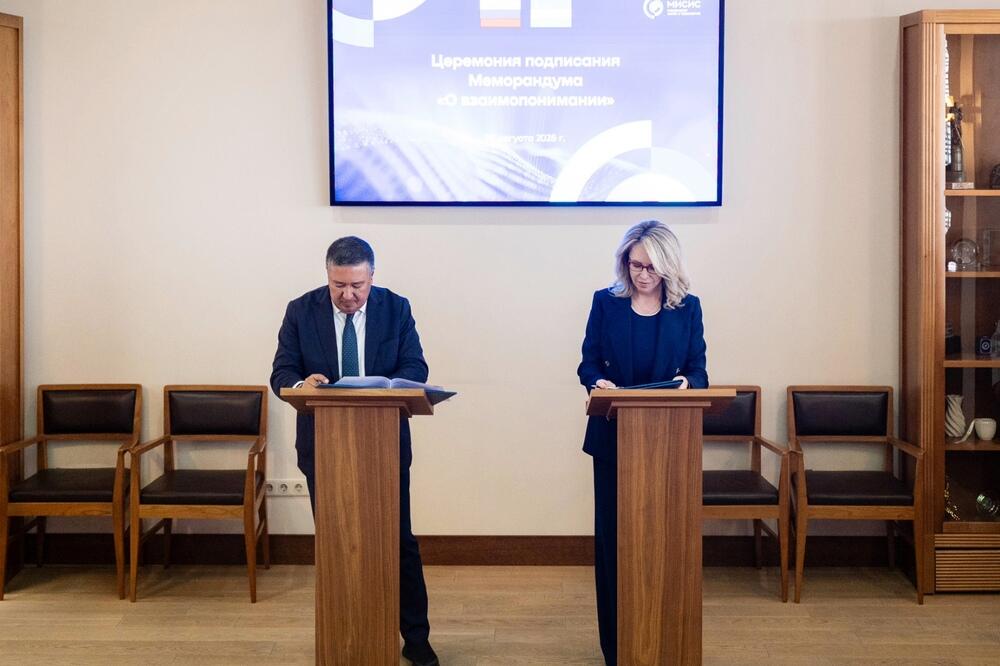
Professor Kiplagat Kotut, Vice-Chancellor of Moi University, and Masamba Kah, Head of NUST MISIS’s Industrial and Educational Partnership Project with African Countries, held a working meeting during which they signed a cooperation agreement aimed at launching academic mobility programs and jointly training specialists for Kenya’s industrial sector. The signing ceremony took place in Eldoret, Kenya

MISIS University launches admissions campaign

NUST MISIS has opened admissions for its basic and specialized higher education programs, master’s programs, and doctoral studies. Applicants can choose from modern educational tracks, employer-sponsored education opportunities with leading companies, a comprehensive scholarship support system, and well-developed campus infrastructure.

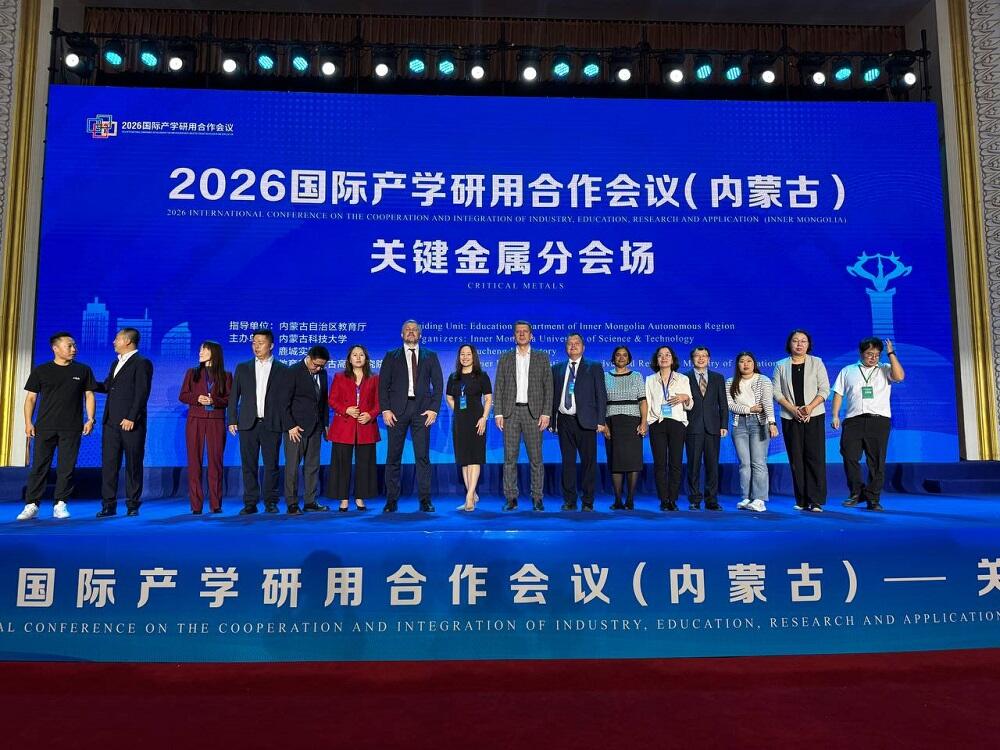
NUST MISIS and China’s UESTC launch joint master’s degree program

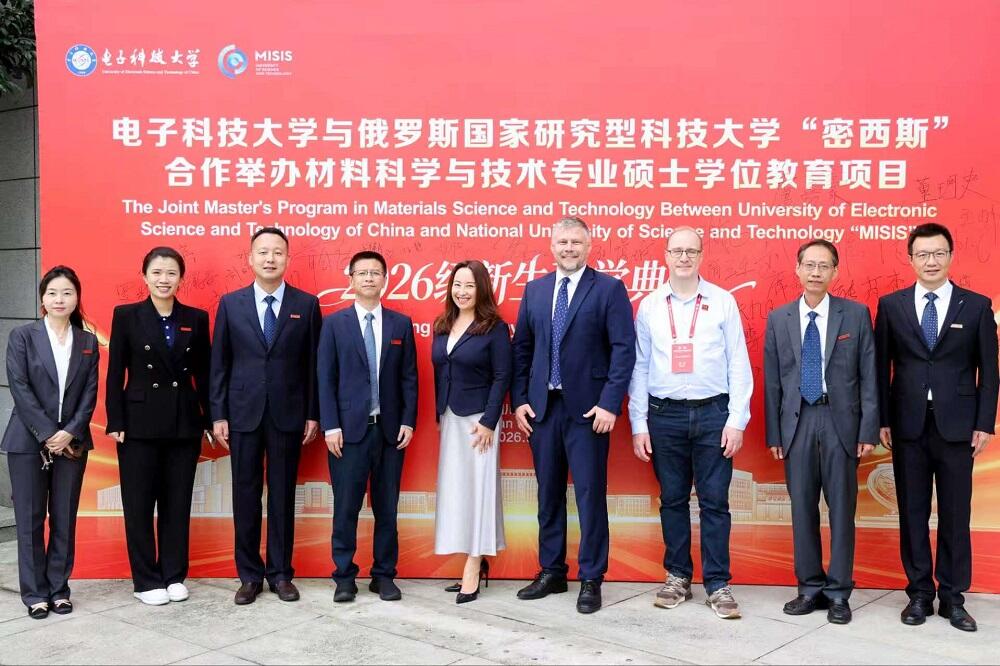
NUST MISIS Vice-Rector for Academic Affairs Andrey Voronin and Vice President of the University of Electronic Science and Technology of China (UESTC) Luo Guangchun have signed an agreement to launch a joint Master’s degree program in Materials Science and Technology.

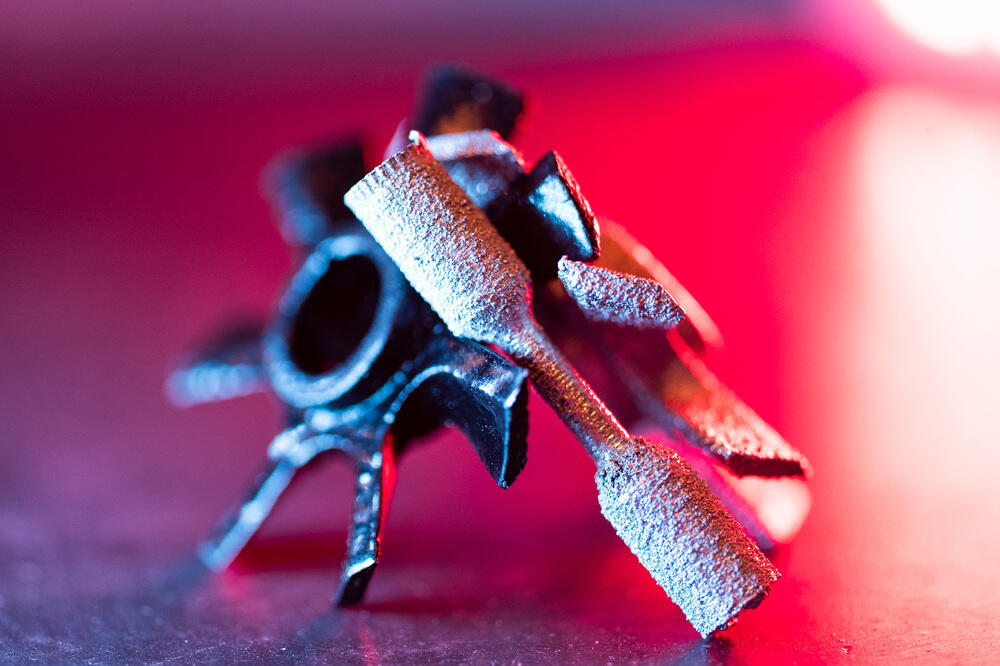
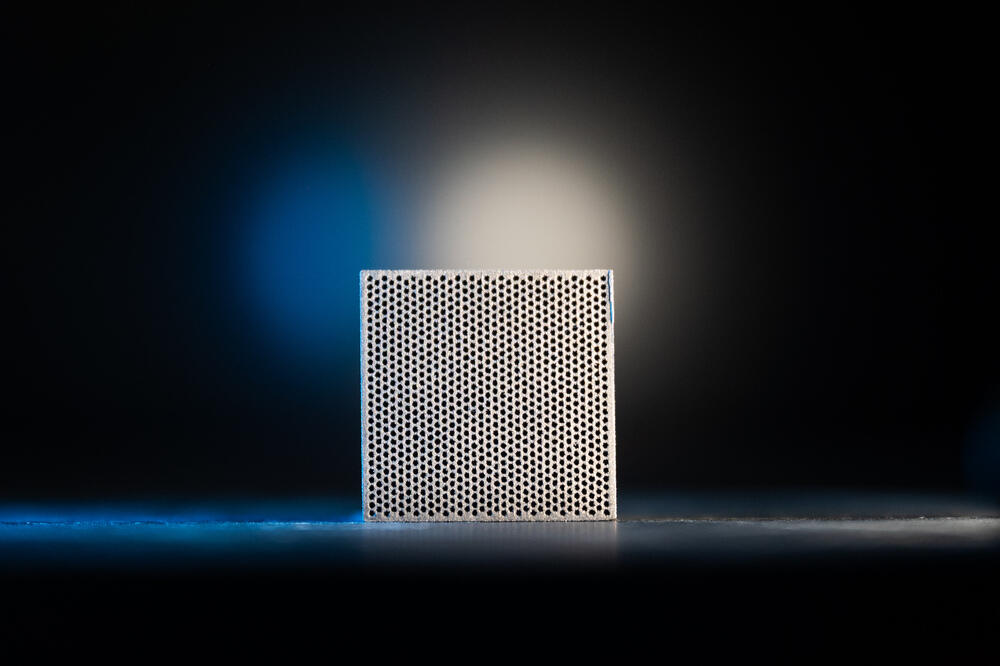
Scientists find a way to “program” metal behavior during 3D printing

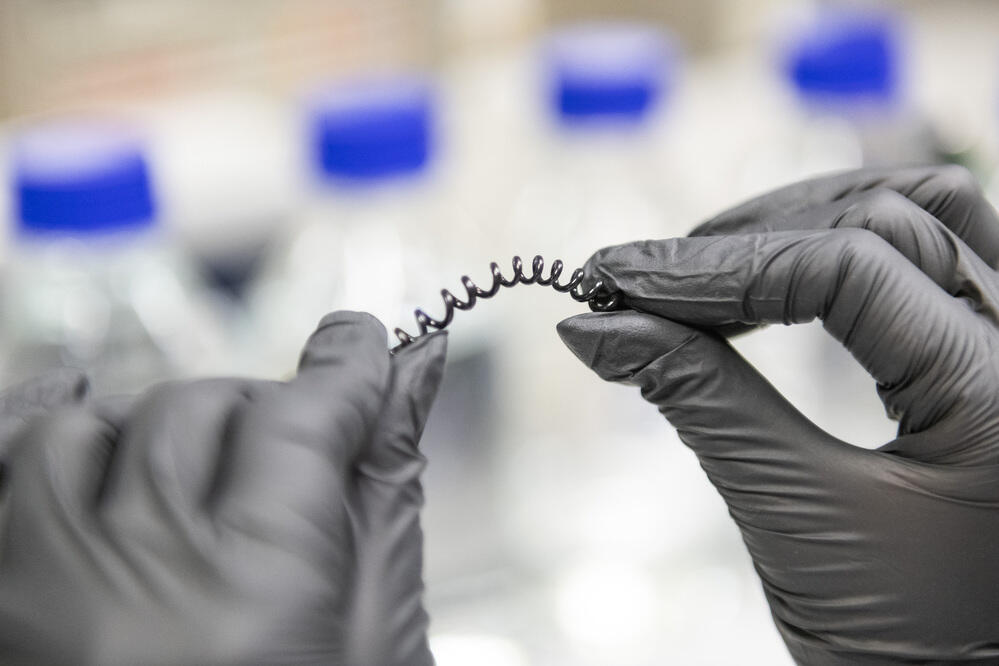
Russian researchers have discovered that laser 3D-printing parameters can directly influence the properties of a nickel—titanium shape memory alloy. The scientists demonstrated that by adjusting laser power and scanning speed, it is possible to “program” the material’s behavior in advance, including the temperature at which it recovers its shape and the degree of its elasticity. The findings open new opportunities for the development of advanced medical implants, miniature actuators, and components for 4D printing.